Filter
- AAC
- Aphasia
- Autism
- Behaviour
- Bilingualism
- Dementia
- Down Syndrome
- Dyslexia
- Early Intervention
- Executive functioning
- Expert Insights
- Feeding
- General Awareness
- Higher Language Skills
- Inclusive Education
- Learning Difficulties
- Neurodegenerative Conditions
- School
- Selective Mutism
- Speech Sound Disorders
- Speech-Language Pathology Basics
- Voice

Word-Finding Difficulties: When You Know the Word but Can’t Say It
Have you ever had a word on the tip of your tongue but struggled to say it? Word-finding difficulties, also known as word-retrieval difficulties, refer to difficulty retrieving and producing a specific word that a person knows and wants to use during communication.

When Words Are Taking Their Time
A late talker is typically a toddler between 18 and 30 months who has a smaller vocabulary than expected for their age. At this stage, their understanding of language may be appropriate, and other areas of development, such as play and motor skills, may also be developing as expected (Lowry, 2011).

Understanding Functional Communication: Supporting Children to Express Their Needs
Functional communication refers to an individual’s ability to communicate effectively in order to express their feelings, needs, wants and experiences. It begins to emerge from an early age, with children initially communicating through gestures, facial expressions and signs before progressing towards first words, phrases and, eventually, longer sentences.
Every child develops communication skills at their own pace. For children with different abilities, functional communication may emerge differently or develop at a slower pace (California Scottish Rite Foundation, 2026). Regardless of the form it takes, functional communication provides an important foundation for emotional regulation, coping strategies and participation in everyday activities.

Helping Multilingual Children Thrive Through Talk, Play and Connection
Growing up with more than one language is increasingly common in multicultural communities. A multilingual child is someone who understands and/or uses two or more languages, whether spoken, signed or written, regardless of the age at which those languages were acquired (McLeod, 2024).

The IEP Roadmap: Helping Your Child Thrive at School
The start of a new scholastic year brings new teachers, new routines and new expectations and, for many students and their families, a new Individualised Education Plan (IEP).
For parents, the IEP process may initially feel overwhelming. There can be unfamiliar terminology, different professionals around the table and several goals to consider. However, at the heart of an IEP is something quite simple: understanding the individual student and identifying how best to support their learning, participation and development at school.

Spot it, Support it: A Teacher’s Guide to Speech, Language and Communication Needs
With the start of a new school year fast approaching, teachers will soon be getting to know a new group of pupils: their personalities, strengths, learning styles and individual needs. Among these, Speech, Language and Communication Needs (SLCN) can sometimes be more difficult to spot. While some communication difficulties may be immediately noticeable, others can be subtle and may initially look like inattention, reluctance to participate or difficulties with learning.

Bringing Speech Therapy into Everyday Play
Play is at the heart of speech and language therapy. Speech-Language Pathologists (SLPs) use play because it creates meaningful, enjoyable opportunities for children to communicate, learn, and develop new skills. When activities are based on a child's interests, motivation and engagement naturally increase, making language learning feel less like a lesson and more like fun. The good news is that parents can easily incorporate these strategies into everyday play at home.
Late Talking in Boys: Understanding the Trend, Not the Rule
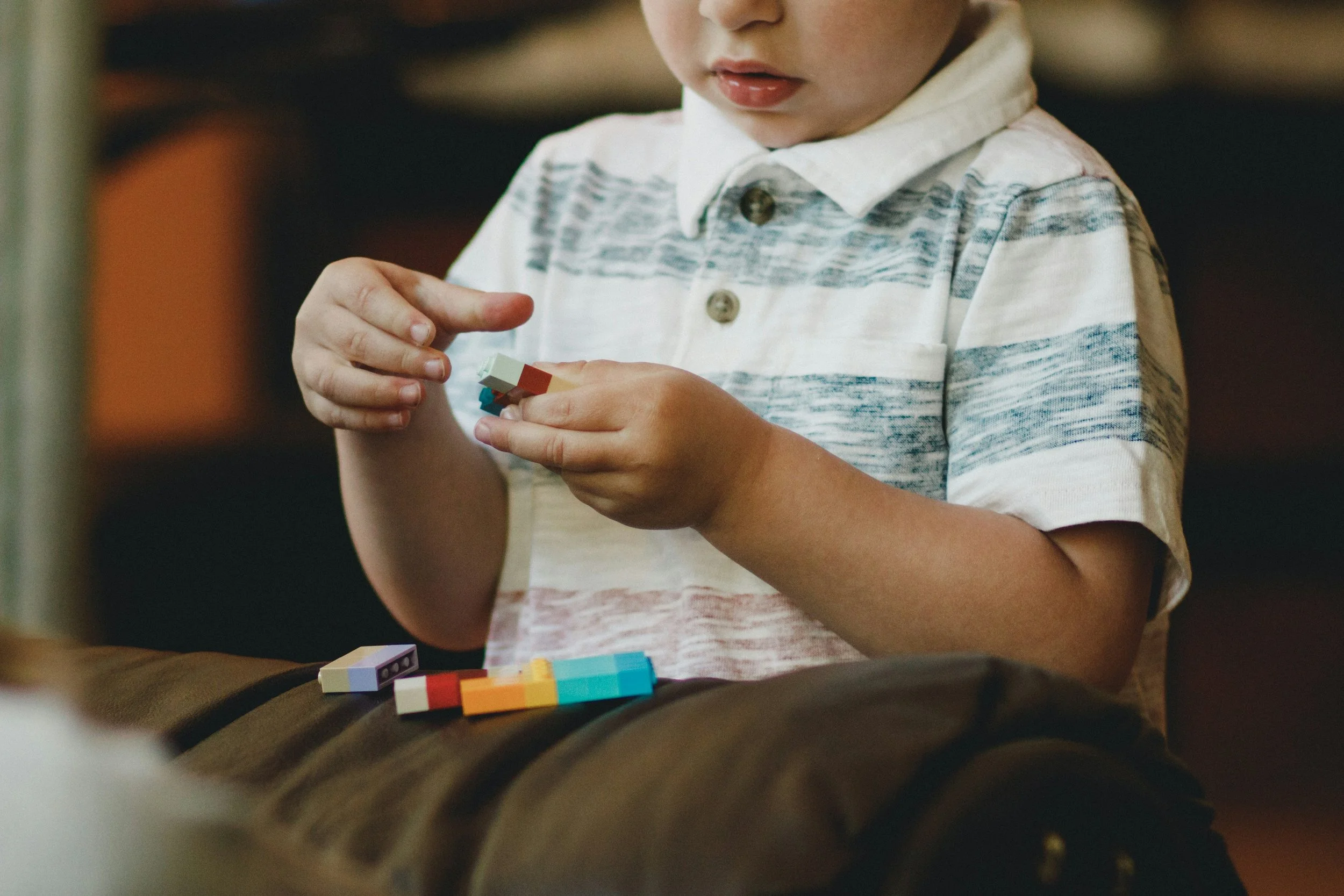
Have you ever been told, "He's a boy! he'll talk when he's ready!"? Many parents hear this reassurance when they are concerned about their child's speech and language development. While there is some truth behind the statement, it does not tell the whole story.

Bilingualism: Raising a Child with Two Languages
Many parents wonder whether speaking two languages at home will confuse their child or delay their speech. This is one of the most common myths surrounding bilingualism. The good news is that research consistently shows that bilingualism does not cause speech or language disorders. In fact, growing up with two languages can offer many lifelong benefits.

Turning Daily Routines into Language-Rich Moments
Summer is often something families tend to look forward to. Slower mornings, more time together, and a break from the usual routine are often enjoyed. However, for individuals on the autism spectrum, a fundamental shift in communication can often be observed.
These changes may appear subtle and not immediately obvious. Yet, when we observe closely, they tend to show in small but meaningful ways. Reduced initiation, increased frustration, and fewer interactions with others are all common indicators. This highlights an important point. Communication does not exist in isolation. It relies heavily on predictability, regulation, and a sense of safety.

Autism in Females: Why Is It So Often Missed?
Autism Spectrum Disorder (ASD) is a neurodevelopmental condition that is typically diagnosed in childhood. Traditional estimates suggest that boys are around four times more likely to receive an autism diagnosis than girls (UCLA Health, 2023). However, growing research suggests that this difference may not reflect how common autism truly is. Instead, autism in females is often under-recognised because it can present differently from the traditional profile.

When Behaviour Speaks: Understanding the Link Between Communication and Behaviour
According to the Royal College of Speech and Language Therapists (RCSLT, n.d.), 81% of children with emotional and behavioural disorders have significant, yet unidentified, communication needs. In addition, children with persistent and severe conduct problems are around three times more likely to have low verbal ability than children at a lower risk of conduct problems. These findings highlight the importance of considering communication when trying to understand behaviour (Conti-Ramsden et al., 2012).

Tell Me a Story! Helping Children Develop Narrative Skills
The ability to tell a story, known as narrative language, is much more than simply talking. It involves organising thoughts, remembering events, using appropriate vocabulary, and putting ideas together in a way that makes sense to the listener. These skills begin to emerge as early as two years of age, and by around five years, many children can retell familiar stories in their own words.

Down Syndrome: Why Starting Early Can Make a Big Difference
Down Syndrome is a genetic condition that occurs when an individual is born with an extra copy of chromosome 21. This additional genetic material affects brain and body development, leading to a range of physical characteristics and developmental differences. Individuals with Down Syndrome may experience challenges in areas such as learning, communication, movement, and daily living skills (Centers for Disease Control and Prevention, 2026).
Understanding Auditory Processing: More Than Just Hearing
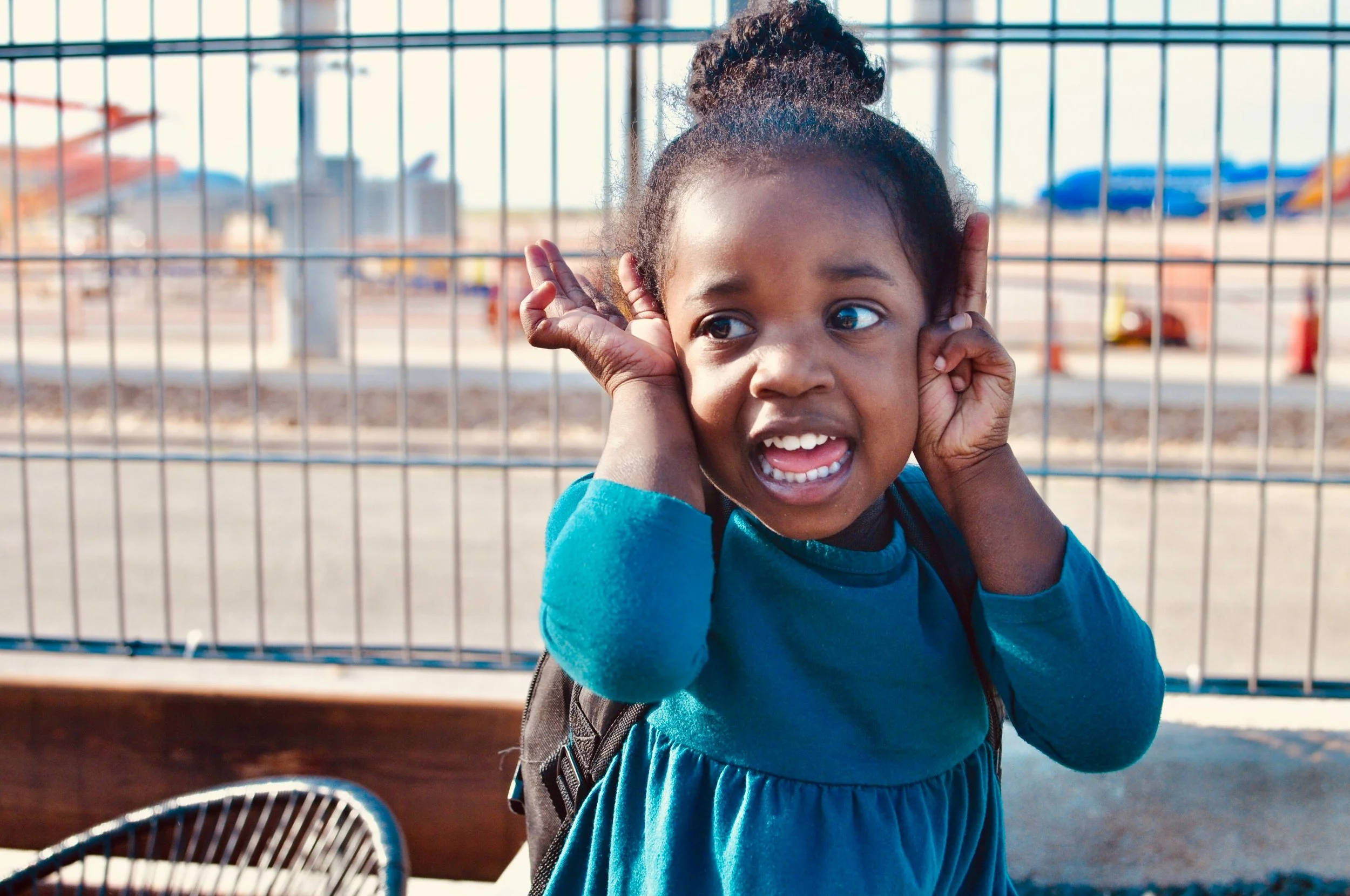
When we think about hearing, we often focus on the ears. However, hearing is only one part of the process. Once sound enters the ear, it must travel through the auditory nerve, pass through the brainstem, and eventually reach the brain, where it is interpreted and given meaning. Auditory processing refers to what the brain does with this auditory information and how it makes sense of the sounds we hear (Riggs, n.d.).

How Summer Routine Changes Can Affect Communication
Summer is often something families tend to look forward to. Slower mornings, more time together, and a break from the usual routine are often enjoyed. However, for individuals on the autism spectrum, a fundamental shift in communication can often be observed.
These changes may appear subtle and not immediately obvious. Yet, when we observe closely, they tend to show in small but meaningful ways. Reduced initiation, increased frustration, and fewer interactions with others are all common indicators. This highlights an important point. Communication does not exist in isolation. It relies heavily on predictability, regulation, and a sense of safety.