From Requests to Conversations: Building Communication Skills
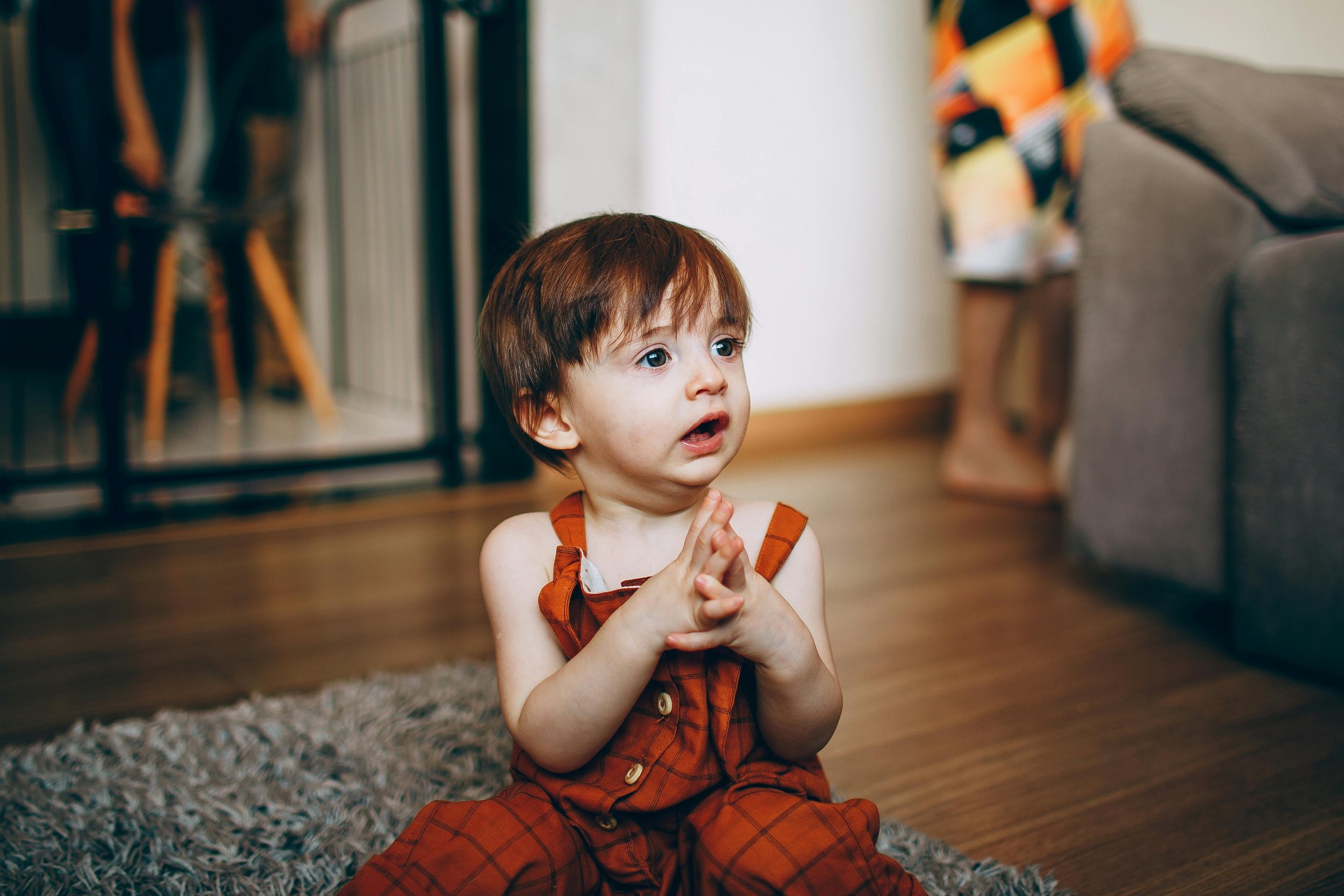
One of the main motivators for the emergence of communication skills is requesting. Asking for a snack, reaching for a toy, or using a gesture to indicate “more” are all early and important steps in communication development. These moments are meaningful and should always be recognised as communication. The next stage involves gently expanding these skills towards more back-and-forth interaction.
Requesting
Requesting reflects motivation, intention, and an understanding that another person can help meet a need. Its emergence is highly significant. Before developing conversational skills, it is important to ensure that the individual feels successful, consistent, and supported in their communication. When a child learns that their communication is understood and responded to, they are more likely to continue initiating. Communication grows when it is both valued and effective.
Moving from requests to conversation involves a range of skills that develop over time. Conversational interaction requires shared attention, understanding of social interaction, flexibility in thinking, and the ability to process and respond in real time. For some individuals, these demands can feel overwhelming, particularly in busy or unpredictable environments. For this reason, conversation should not be pushed, but rather supported and built gradually through meaningful connection.
Literacy Resources Out Now!
Literacy Resources Out Now!
There are several strategies that can support the development of communication skills.
1. Joint Attention
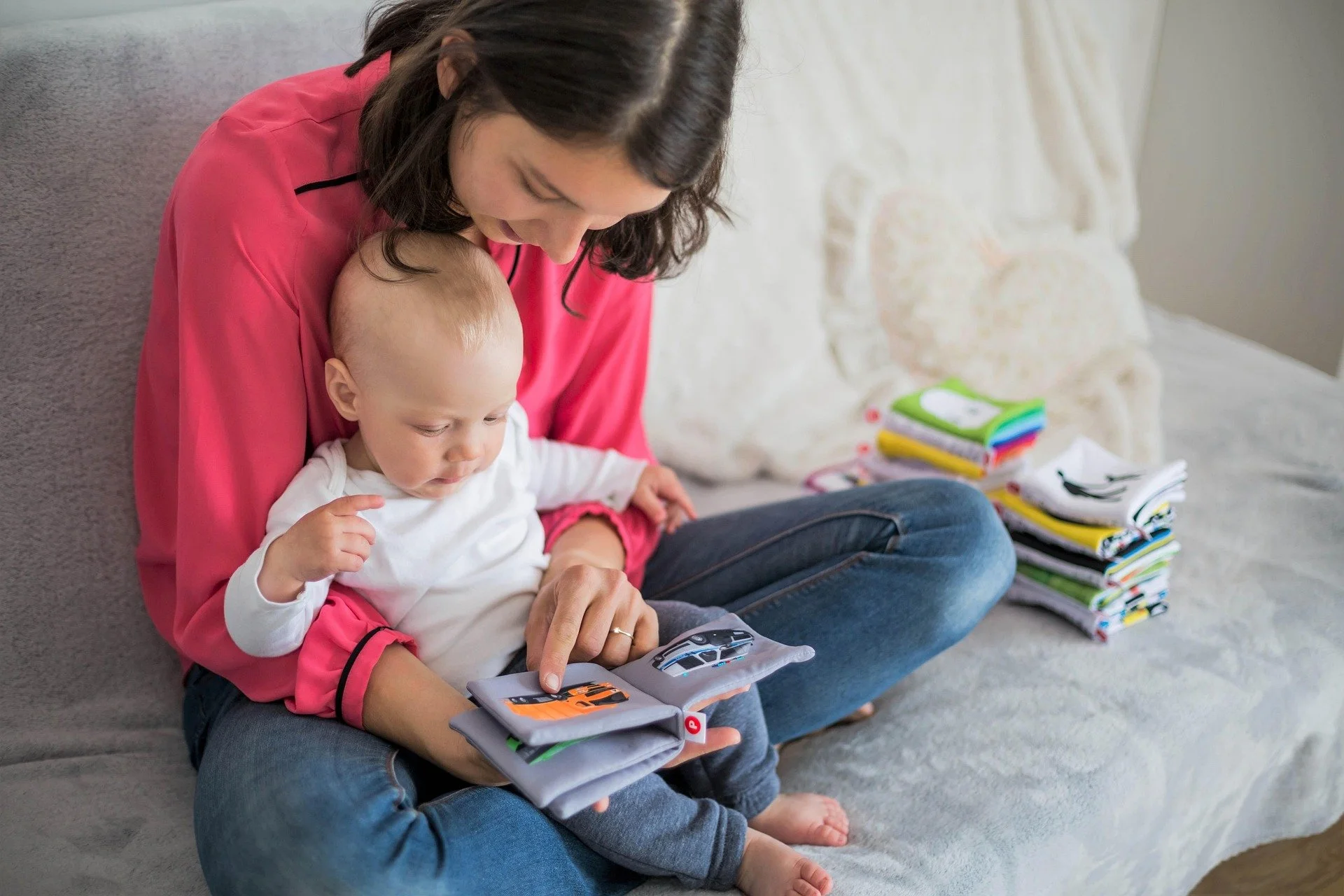
Shared attention is often the first step before expecting words or responses. This may involve watching the same activity together, noticing what the child is focused on, and joining in without directing. When two people are engaged in the same moment, communication becomes more natural and meaningful (Lowry, 2022). Joint attention refers to the ability to share focus on a person, object, or activity with someone else. It is an important foundation for language, social interaction, learning, and relationship-building, as children learn best through connected and responsive interactions with others.
Joint attention can be encouraged through simple everyday interactions such as playing face-to-face games, reading books together, pointing to objects of interest, and commenting on what the child is already looking at or enjoying. Following the child’s lead rather than directing the interaction can help maintain engagement and create more opportunities for shared moments. Using gestures, facial expressions, and an animated tone of voice can also help capture the child’s attention and support connection during play and daily routines.
2. Modelling Language
Modelling language is another key strategy. Parents and caregivers may feel inclined to ask questions in order to encourage communication. However, this can sometimes create pressure, especially with repeated prompts such as ‘what is this?’, ‘say it again’, or ‘what do you want?’. Modelling language can be more effective. For example, commenting on what the child is doing or expanding their communication using simple word combinations such as ‘fast car’. This approach provides language without requiring a response, creating opportunities for the child to engage at their own pace (Wolf, 2025). Repeated exposure to simple, meaningful language within everyday routines helps children gradually build understanding and confidence in communication. Using short phrases, emphasising key words, and pairing language with gestures or actions can further support comprehension and engagement. Modelling can take place naturally during play, mealtimes, dressing, bath time, or outings, helping children hear language in real and meaningful contexts throughout the day.
For instance, expanding on the child’s communication further supports language development. Rather than correcting, adults can build on what the child says. For example, if a child says “juice”, the adult might respond with “more juice”. This supports language growth in a natural and supportive way.
3. Turn-Taking
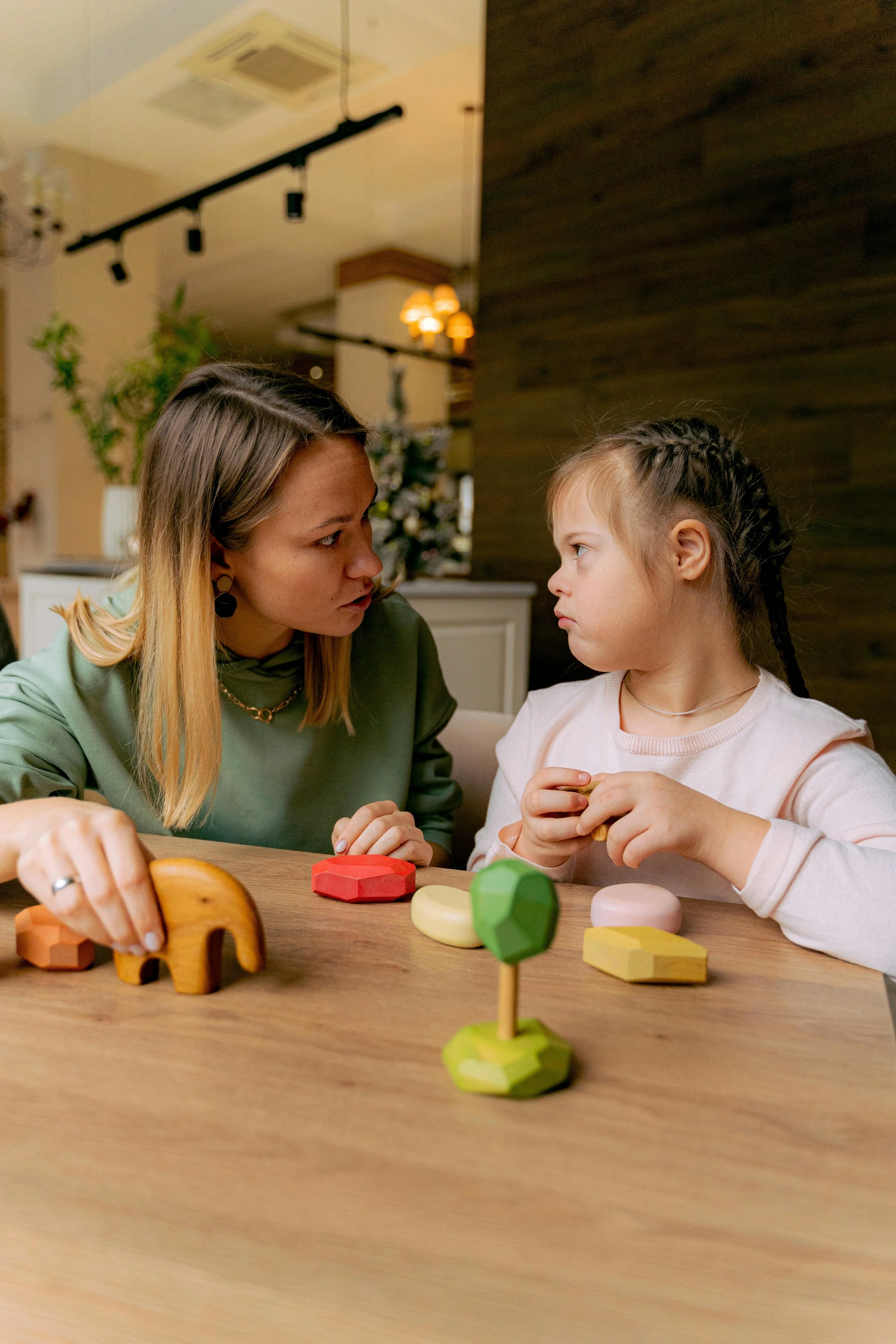
Turn-taking is also a fundamental building block for conversation. Simple activities such as rolling a ball back and forth, taking turns in a game, or pausing during a familiar routine like ‘ready, steady, go’ can support the development of this skill (Koohi,2018). Through these predictable back-and-forth interactions, children begin to understand the rhythm of communication and learn that interactions involve both listening and responding. Turn-taking also supports attention, social understanding, patience, and the ability to engage with others in a meaningful way. Keeping activities enjoyable, repetitive, and responsive to the child’s interests can help encourage participation and strengthen early communication skills naturally throughout daily routines.
“A new study has shown that the more children participate in back-and-forth interactions with their caregivers, the more activity they have in the part of the brain responsible for language production and processing. The study also showed a strong connection between the number of turns children take in conversation and the scores they receive on standardized language tests ”
4. Practice the OWL™ (Observe, Wait, Listen™)
Time and space are equally important. Allowing processing time, waiting for a response, and accepting different forms of communication all contribute to meaningful interaction. Communication does not need to be verbal. Gestures, eye gaze, and alternative communication methods are all valid and important. When communication feels safe and unhurried, participation is more likely to increase. The OWL strategy (Observe, Wait, Listen) supports this approach by encouraging caregivers to pause, notice what the child is interested in, and listen carefully to both verbal and non-verbal attempts to communicate before responding. This helps reduce pressure on the child and creates more opportunities for spontaneous communication to emerge naturally.
In all interactions, the focus should remain on connection. Meaningful communication is built through shared experiences, responsive communication partners, and a supportive environment. Requests are not something to move beyond, but rather something to build upon. They remain an essential foundation for the development of conversation.
References:
Koohi, A. (2018, May 15). The power of turn-taking: How back-and-forth interactions help children learn language. The Hanen Centre. https://www.hanen.org/information-tips/the-power-of-turn-taking-how-back-and-forth-inter
Lowry, L. (n.d.). Paying attntion to children’s joint attention. The Hanen Centre. https://www.hanen.org/information-tips/paying-attention-to-childrens-joint-attention
Wolf, D. (2025, August 11). The power of modelling: Helping your child learn language naturally. Nepean Speech & Occupational Therapy. https://www.nspot.com.au/the-power-of-modelling-helping-your-child-learn-language-naturally/