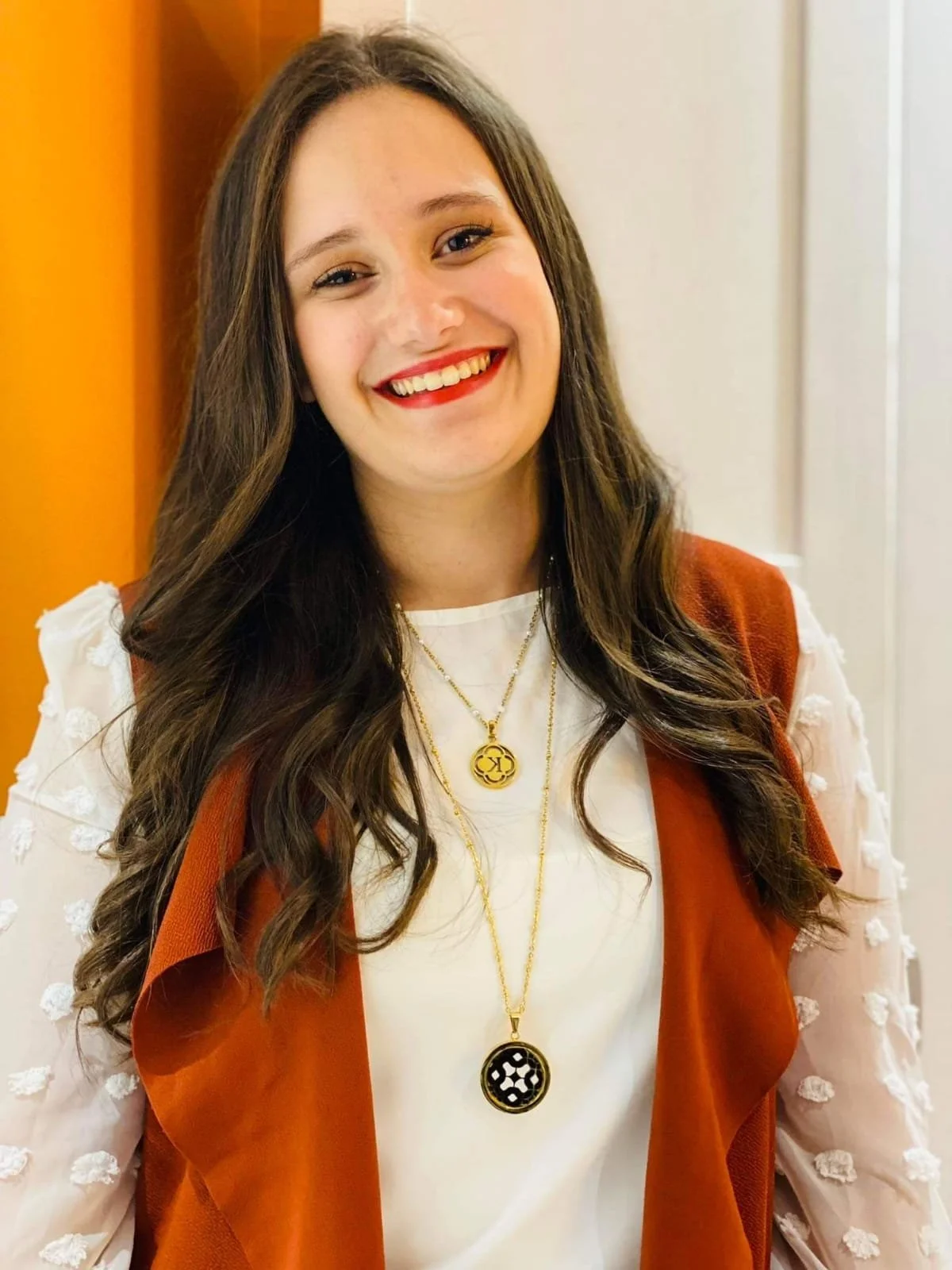
Growing up with more than one language is increasingly common in multicultural communities. A multilingual child is someone who understands and/or uses two or more languages, whether spoken, signed or written, regardless of the age at which those languages were acquired (McLeod, 2024).
Multilingual language development may look different from monolingual development, particularly when each of a child's languages is considered separately. A child may know certain words in one language but not another, depending on where, how often and with whom they use each language. When vocabulary across languages is considered together, however, multilingual children's abilities may be comparable to those of their monolingual peers. Children may also switch between languages during conversation, known as code-switching. This is a natural feature of multilingual communication and should not automatically be interpreted as confusion or a language difficulty.
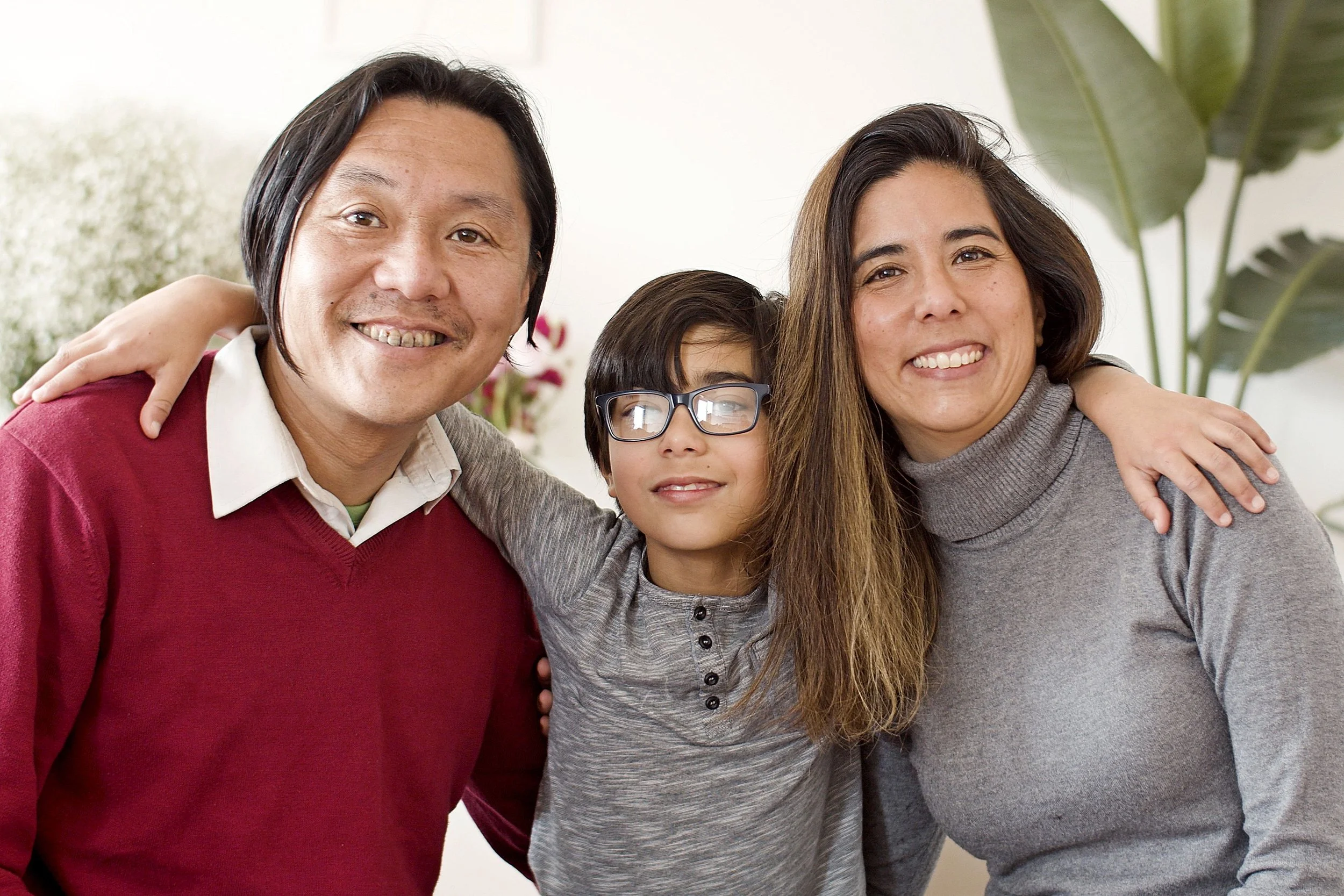
For families, the focus should be on creating frequent, meaningful and enjoyable opportunities to communicate. Talking, singing, reading and playing in the languages that form part of a child's life can provide valuable opportunities to develop vocabulary, grammar and confidence. Supporting the languages used within the family can also strengthen children's relationships and connection to their cultural identity.
Finding an Approach That Works for Your Family
There is no single "right" way to raise a multilingual child. Different approaches can work for different families.
One option is the One Parent, One Language (OPOL) model. With this approach, each parent primarily communicates with the child in a different language. For example, one parent might speak Maltese while the other speaks English. This can provide regular exposure to both languages while allowing parents to communicate in the language that feels most natural to them. However, OPOL does not need to be rigid and the priority should remain natural, meaningful communication.
Another option is One Environment, One Language, where languages are associated with particular settings. For example, a multilingual family living in Malta might use Italian at home while the child uses Maltese and English at school.
NEW WH-QUESTIONS RESOURCE
NEW WH-QUESTIONS RESOURCE
Make Language Part of Everyday Life
Supporting a language does not require formal lessons. Some of the richest opportunities for language development can happen during ordinary family life.
Play together. Games such as ‘I spy’, memory games and imaginative play provide natural opportunities to introduce and repeat vocabulary. Songs, rhymes and music in the family's heritage language can make language learning memorable and enjoyable.
Share stories. Read books together, talk about the pictures and encourage your child to predict what might happen next. Families can also share childhood stories, invent their own adventures or involve grandparents in storytelling.
Use everyday routines. Talk while cooking, shopping, getting dressed or travelling. Following the child's interests can make these interactions even more meaningful. Regular language exposure and opportunities to use each language are important influences on multilingual development (Hoff et al., 2012).
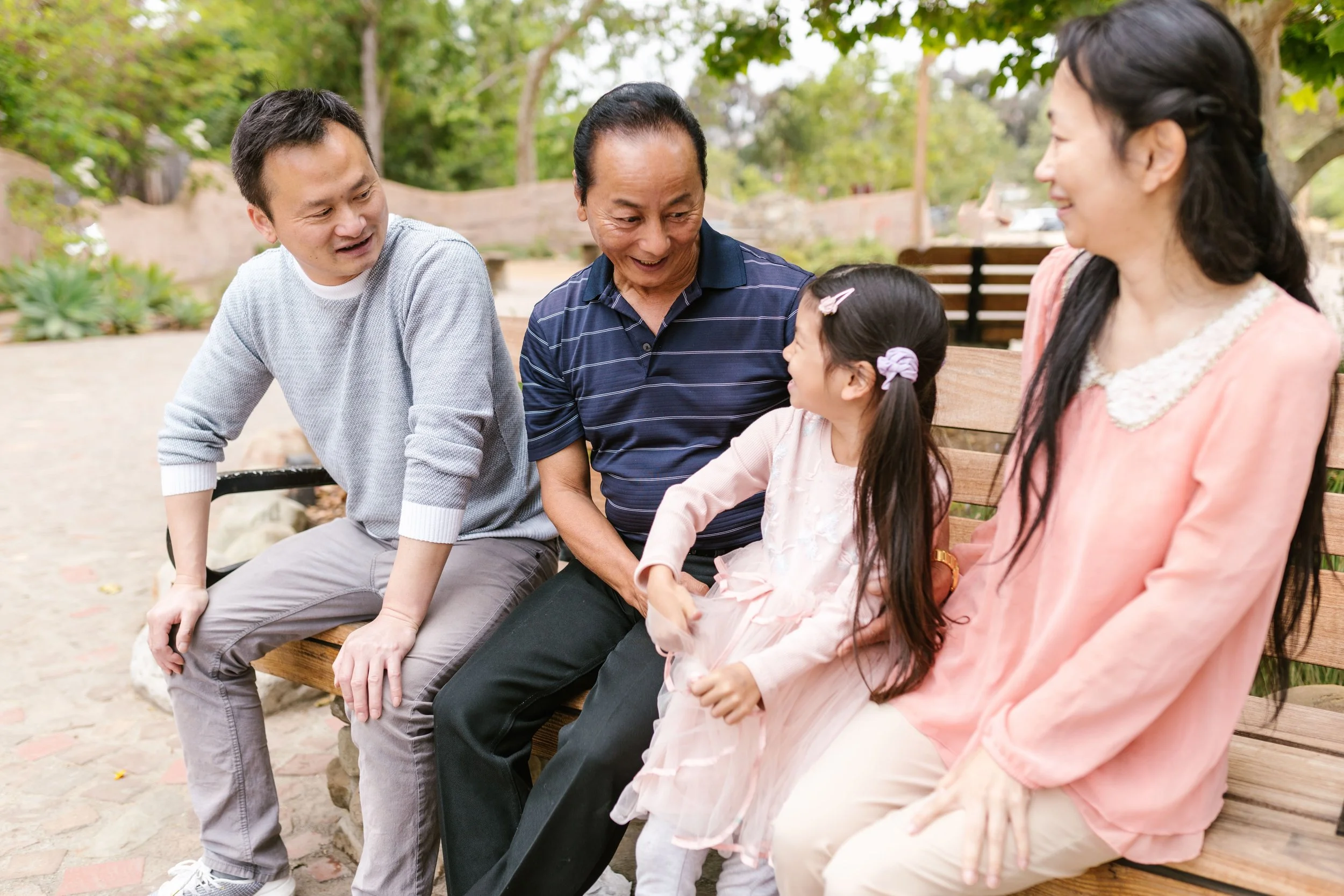
Stay connected. Conversations with grandparents, cousins and other relatives give children a genuine reason to use their heritage language. Video calls can be particularly valuable when family members live abroad. Families can also seek opportunities through playgroups, cultural events and friendships with other children who speak the language. The American Speech-Language-Hearing Association encourages families to communicate with children in the languages they are most comfortable using (ASHA, n.d.).
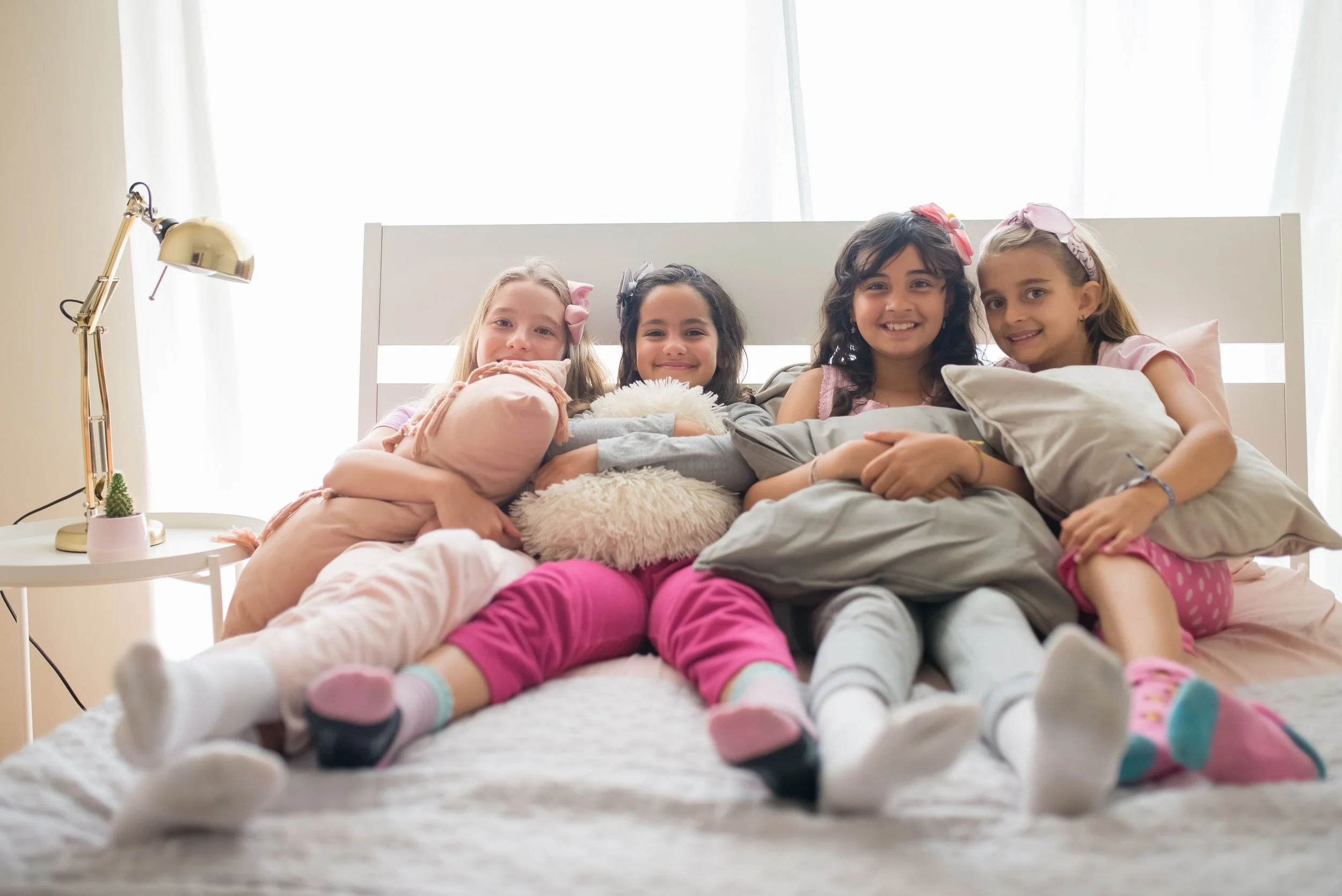
Most importantly, keep communication meaningful. Maintaining a language should not feel like a test. Talk, play, read, sing and laugh together. A language becomes much more than a collection of words when it connects a child to their family, relationships, experiences and cultural identity
References
Advanced Therapy Clinic. (2025, June 6). How speech therapy supports language development in multilingual children. Advanced Therapy Clinic article
American Speech-Language-Hearing Association. (n.d.). Learning more than one language. American Speech-Language-Hearing Association
Hoff, E., Core, C., Place, S., Rumiche, R., Señor, M., & Parra, M. (2012).Dual language exposure and early bilingual development. Journal of Child Language, 39(1), 1–27. https://doi.org/10.1017/S0305000910000759
McLeod, S. (2024). Multilingual children’s speech. Charles Sturt University. Multilingual Children’s Speech