Turning Daily Routines into Language-Rich Moments
Children learn language best through meaningful interactions with the people around them. Everyday routines provide repeated, predictable opportunities to hear, understand and use language in real-life situations. The good news is that parents do not need expensive toys or structured lessons to support communication. Instead, simple conversations throughout the day can make a significant difference (Speech and Language UK, n.d.).
Why Are Routines So Important?
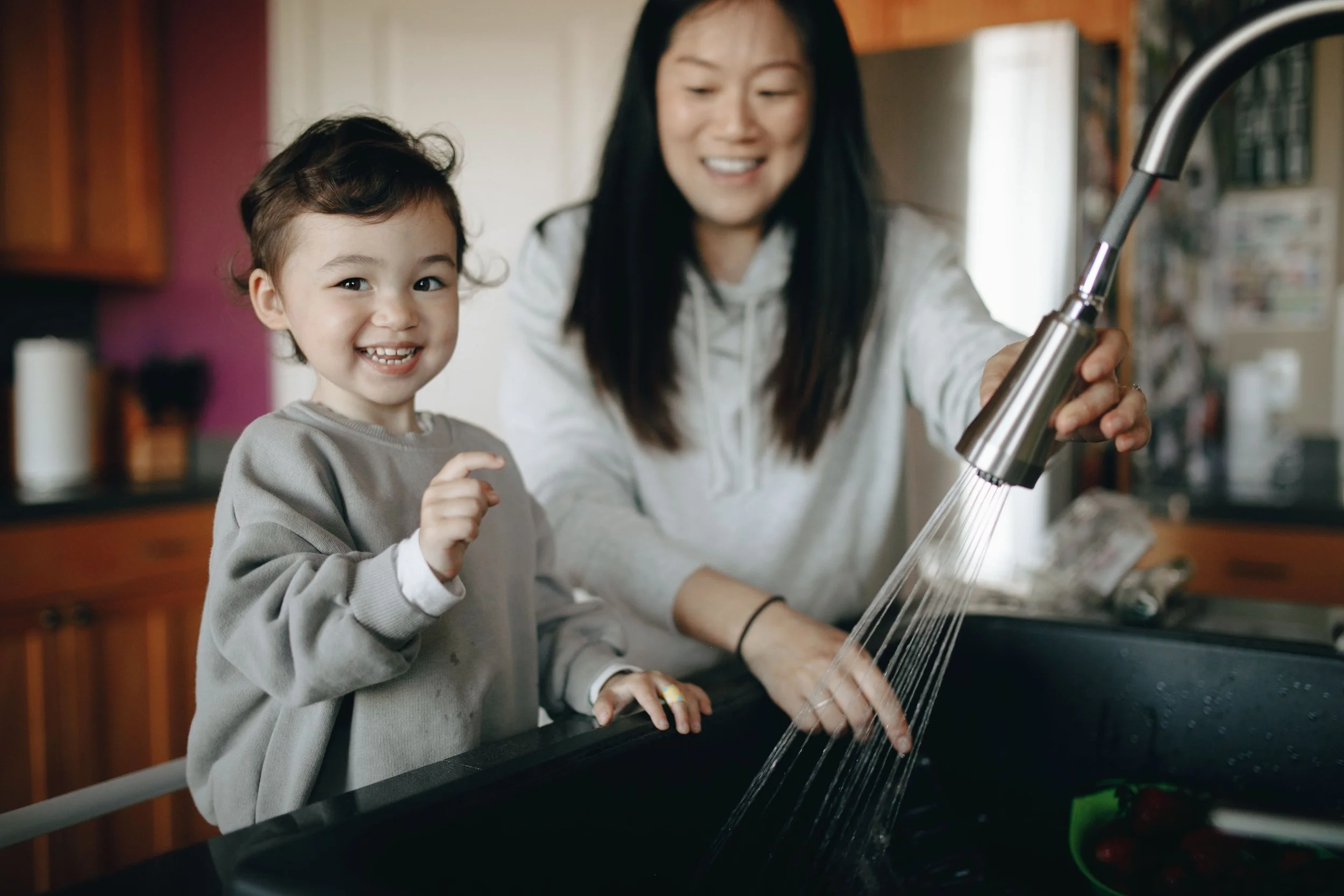
Everyday routines such as getting dressed, mealtimes, shopping, bath time and bedtime naturally occur throughout the day, making them ideal opportunities for language learning. One of the greatest benefits of routines is their predictability. When activities happen in the same order each day, children begin to anticipate what comes next. This familiarity reduces the cognitive demands of the activity, allowing children to focus more on the language being used.
As routines are repeated, children start to associate words with actions, objects and experiences. For example, while getting dressed they repeatedly hear words such as ‘shoes’, ‘socks’, ‘on’, ‘off’ and ‘zip’. Routines also provide natural opportunities to introduce early concepts such as first, next and last, while encouraging children to actively participate in everyday conversations.
Start the Day with Conversation
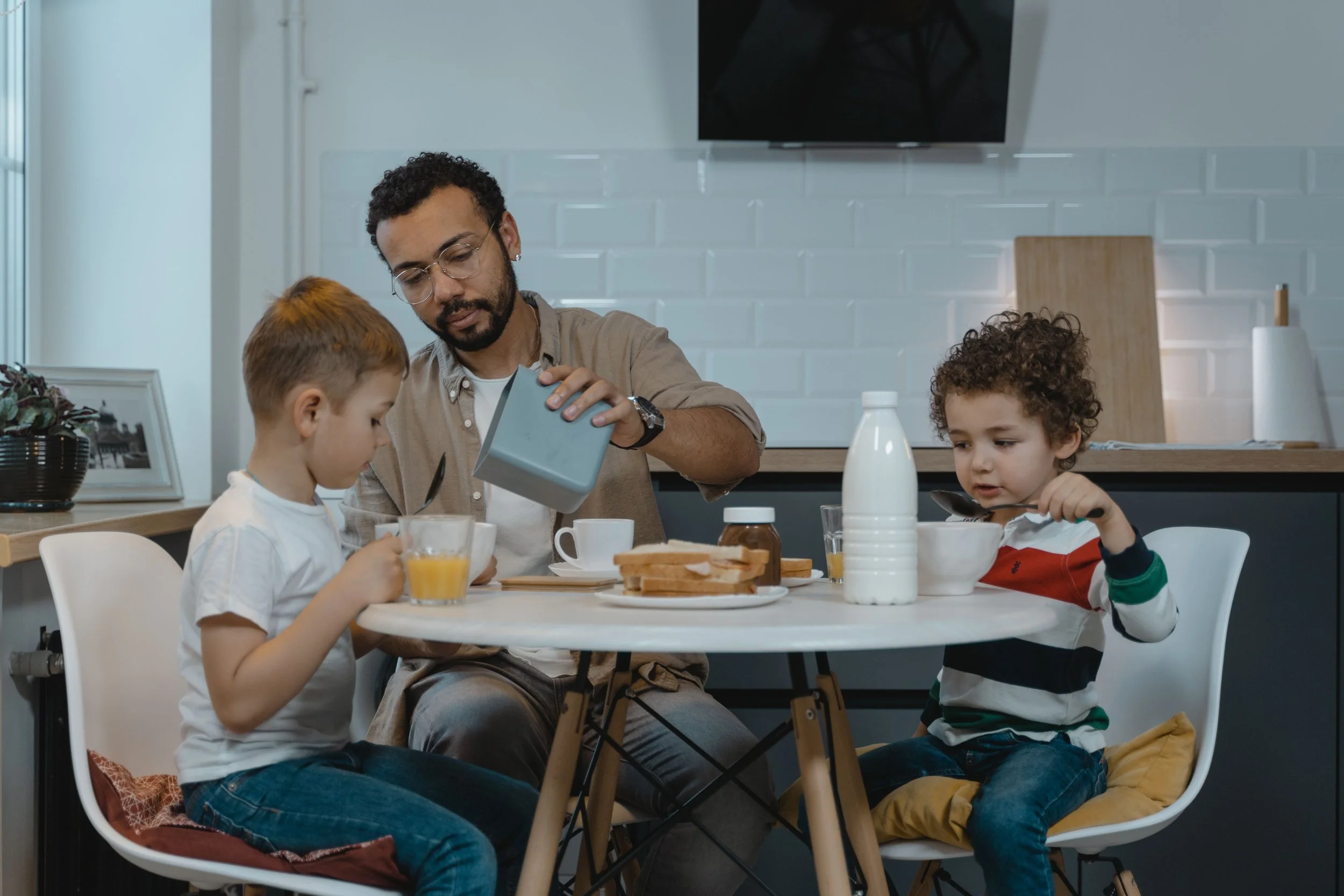
Breakfast is often the first opportunity for families to connect before the day begins. Involve your child by talking about what you are doing, whether you are pouring cereal, spreading butter or cutting fruit. Describe colours, shapes, sizes and textures using words such as crunchy, smooth, warm and cold. Offering choices, such as "Would you like cereal or toast?", encourages communication in a natural way. You can also support understanding by giving simple instructions, such as "Bring the blue cup" or "Put your spoon on the table." If your child says "juice", expand their language by responding with "orange juice" or "cold orange juice" (Haddon, 2021).
CLICK HERE NEW RESOURCE SALE
CLICK HERE NEW RESOURCE SALE
Make Getting Dressed Language-Rich
Communication breakdowns may still occur, particularly during periods of change. These moments should not be viewed as setbacks, but rather as signals. They may indicate that the individual is overwhelmed, dysregulated, or finding it difficult to process their environment. In such situations, regulation should always come first. Providing reassurance, reducing demands, and offering simple, supportive language can help restore a sense of safety and support the return of communication.
Although summer may bring changes to routine, it does not have to hinder communication development. Instead, it can be an opportunity to focus on connection, shared experiences, and meaningful interaction. By slowing down, following the individual’s lead, and making the most of everyday moments, communication can continue to develop in a natural and supportive way.

Turn Bath Time into Play and Conversation
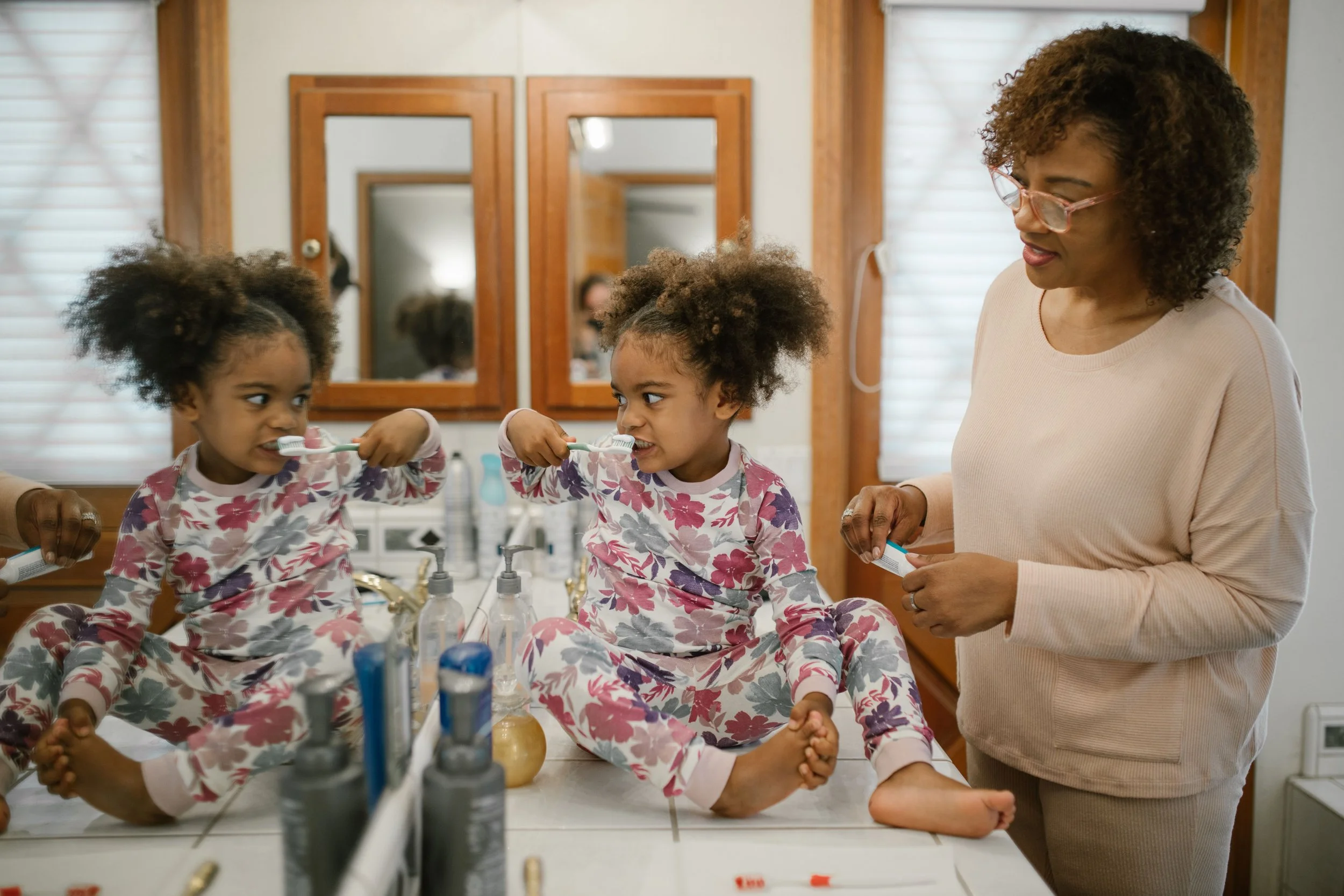
Bath time is much more than part of a child's daily routine. It is an ideal opportunity to build communication through play. Name body parts, describe actions such as ‘brus’, ‘wash’, ‘pour’ and ‘splash’, and introduce concepts such as ‘full’ and ‘empty’ or ‘wet’ and ‘dry’. Singing songs, taking turns with bath toys and following your child's interests all encourage vocabulary development, attention, turn-taking and early conversational skills.
Learning while shopping
A trip to the supermarket is another excellent opportunity to develop language. Encourage your child to help find items on the shopping list, count fruit and vegetables, describe colours, shapes and sizes, or make simple choices such as "Would you like apples or bananas?" Talking about everyday tasks helps children build vocabulary, develop problem-solving skills and understand the world around them.
End the Day with Stories
Bedtime is a calm and predictable routine that naturally supports communication. Reading together, talking about the day's events, singing lullabies and discussing plans for tomorrow all help develop vocabulary, listening skills and narrative abilities. Encourage your child to ask questions, share their thoughts and choose a bedtime story or pyjamas. These quiet moments strengthen communication while creating meaningful family connections (Haddon, 2021).
Everyday routines provide countless opportunities to build language through meaningful interactions. By slowing down, following your child's lead and making conversation part of daily life, you are helping to develop communication skills in a natural, enjoyable and lasting way. Small moments, repeated every day, can make a big difference.
References
Gold Coast Health. (2026). Using language strategies in everyday routines. https://www.goldcoast.health.qld.gov.au/our-services/childrens-services/community-child-health/talk-me/everyday-routines/using-language-strategies-everyday-routines
Haddon, K. (2021). Incorporating speech therapy in everyday routines. Harrison Speech Pathology. https://harrisonspeechpathology.com.au/speech-therapy-and-daily-routines/
Speech and Language UK. (n.d.). Making the most of daily routines. https://speechandlanguage.org.uk/help-for-families/resource-library-for-families/making-the-most-of-daily-routines/