Understanding Auditory Processing: More Than Just Hearing
When we think about hearing, we often focus on the ears. However, hearing is only one part of the process. Once sound enters the ear, it must travel through the auditory nerve, pass through the brainstem, and eventually reach the brain, where it is interpreted and given meaning. Auditory processing refers to what the brain does with this auditory information and how it makes sense of the sounds we hear (Riggs, n.d.).
Auditory processing is a complex system that involves a range of skills working together. These include the ability to focus on auditory information, distinguish between different sounds and words, remember information that has been heard, and process the timing and sequence of sounds. It also involves understanding language, identifying sounds in noisy environments, and interpreting changes in pitch and tone. These skills allow us to listen effectively, communicate successfully, and participate fully in everyday activities.
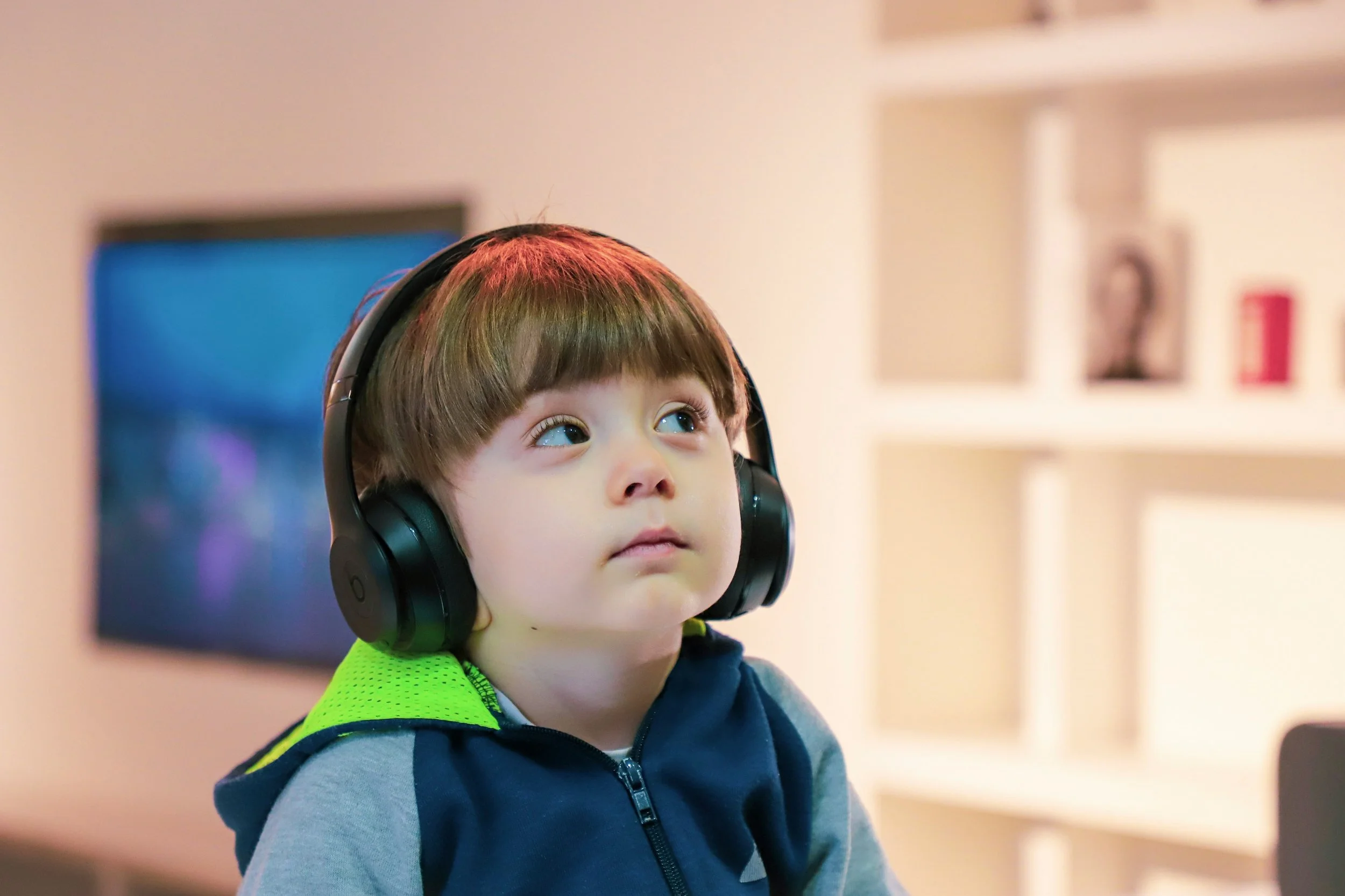
How Do Auditory Processing Difficulties Present?
When a child experiences difficulties with auditory processing, the challenges often extend beyond simply ‘not listening’. In many cases, the child hears sounds adequately but struggles to interpret or use the information efficiently.
These difficulties may become particularly noticeable in busy environments such as classrooms, playgrounds, or family gatherings where background noise competes with speech. Children may appear easily distracted, struggle to follow verbal instructions, or frequently ask for information to be repeated. They may also find it difficult to understand rapid speech, determine where sounds are coming from, or maintain attention during listening tasks.
Auditory processing difficulties can have a significant impact on learning. Some children experience academic challenges despite having normal hearing sensitivity, while others may struggle with reading, spelling, or language-based tasks. Difficulties may also affect musical abilities, as the processing of rhythm, pitch, and tonal patterns relies on many of the same auditory skills involved in language processing (Johns Hopkins Medicine, 2026).

Assessment: Why Collaboration Matters
Because auditory processing involves both hearing and language, assessment often requires a multidisciplinary approach. Audiologists are responsible for evaluating and diagnosing difficulties related to the reception and transmission of auditory information. Their assessment focuses on how the auditory system receives and processes sound signals. Speech and Language Pathologists, on the other hand, evaluate how auditory information is interpreted and used for language. They assess areas such as phonological processing, language comprehension, and the linguistic aspects of auditory information.
Given the close relationship between auditory and language processing, collaboration between these professionals is essential. Working together allows for a more comprehensive understanding of a child's strengths and difficulties and helps ensure that intervention targets the underlying areas of need (Richard, 2013).
Grab your FREE Higher Language Crossword
-
Grab your FREE Higher Language Crossword -
Supporting Individuals with Auditory Processing Difficulties

Effective intervention is often multifaceted and tailored to the individual's needs. One important aspect of intervention involves modifying the environment to make listening easier.
Environmental modifications may focus on improving the quality of the auditory signal. This can include reducing background noise, minimising reverberation within a room, using hearing assistive technology when appropriate, and ensuring that the individual is seated in an optimal listening position.
Intervention can also involve adapting the way information is presented. Strategies such as speaking at a slower pace, checking for understanding, repeating key information, and supplementing spoken language with visual supports can significantly improve comprehension. Providing written information alongside verbal instructions may also help reduce the listening demands placed on the individual.
Speech and Language Pathologists play an important role in helping individuals develop the skills needed to process auditory information more effectively. Therapy may focus on improving sound discrimination, phonological awareness, auditory memory, and language processing skills. By strengthening these areas, individuals can develop stronger foundations for literacy, learning, and communication.
The Importance of Early Identification, Intervention, and Collaboration
Resources such as Kate's Missing Bracelet can provide meaningful opportunities to support children with APD at home and in therapy. Reading the story aloud and discussing what happened, answering WH-questions, and arranging the pictures in order can help strengthen listening comprehension, auditory memory, and sequencing skills. The visual supports included alongside the story can also reduce listening demands and make it easier for children to understand and retain information, turning story time into an enjoyable and functional language activity. You can access the link by clicking HERE.
Auditory processing is about much more than hearing sounds. It involves the brain's ability to organise, interpret, and make meaning from auditory information. When difficulties arise, they can affect many aspects of communication, learning, and daily functioning. Early identification and collaborative assessment by audiologists and Speech and Language Pathologists are key to understanding the nature of these challenges. With appropriate support and intervention, individuals with auditory processing difficulties can develop effective listening strategies and build the skills needed for successful communication and learning.
References
National Association for Child Development. (n.d.). Auditory processing: What is it? Hearing vs. processing. https://www.nacd.org/auditory-processing-what-is-it-hearing-vs-processing/
Richard, G. J. (2013). Language processing versus auditory processing. In D. Geffner & D. Ross-Swain (Eds.), Auditory processing disorders: Assessment, management, and treatment (2nd ed., pp. 283–299). Plural Publishing.
Johns Hopkins All Children's Hospital. (n.d.). Central auditory processing. Johns Hopkins Medicine. https://www.hopkinsmedicine.org/all-childrens-hospital/services/rehabilitation/audiology/central-auditory-processing
Hearing Health Foundation. (n.d.). APD treatments. https://hearinghealthfoundation.org/apd-treatments