Bilingualism: Raising a Child with Two Languages
Many parents wonder whether speaking two languages at home will confuse their child or delay their speech. This is one of the most common myths surrounding bilingualism. The good news is that research consistently shows that bilingualism does not cause speech or language disorders. In fact, growing up with two languages can offer many lifelong benefits.
Bilingualism refers to the regular exposure to and use of two or more languages. Today, bilingualism is becoming increasingly common, with many children hearing different languages at home, at school and within their wider community. It is also perfectly normal for children to be stronger in one language than the other. Language dominance often changes over time depending on the child's experiences and opportunities to use each language (Martinez Zamora, 2026).
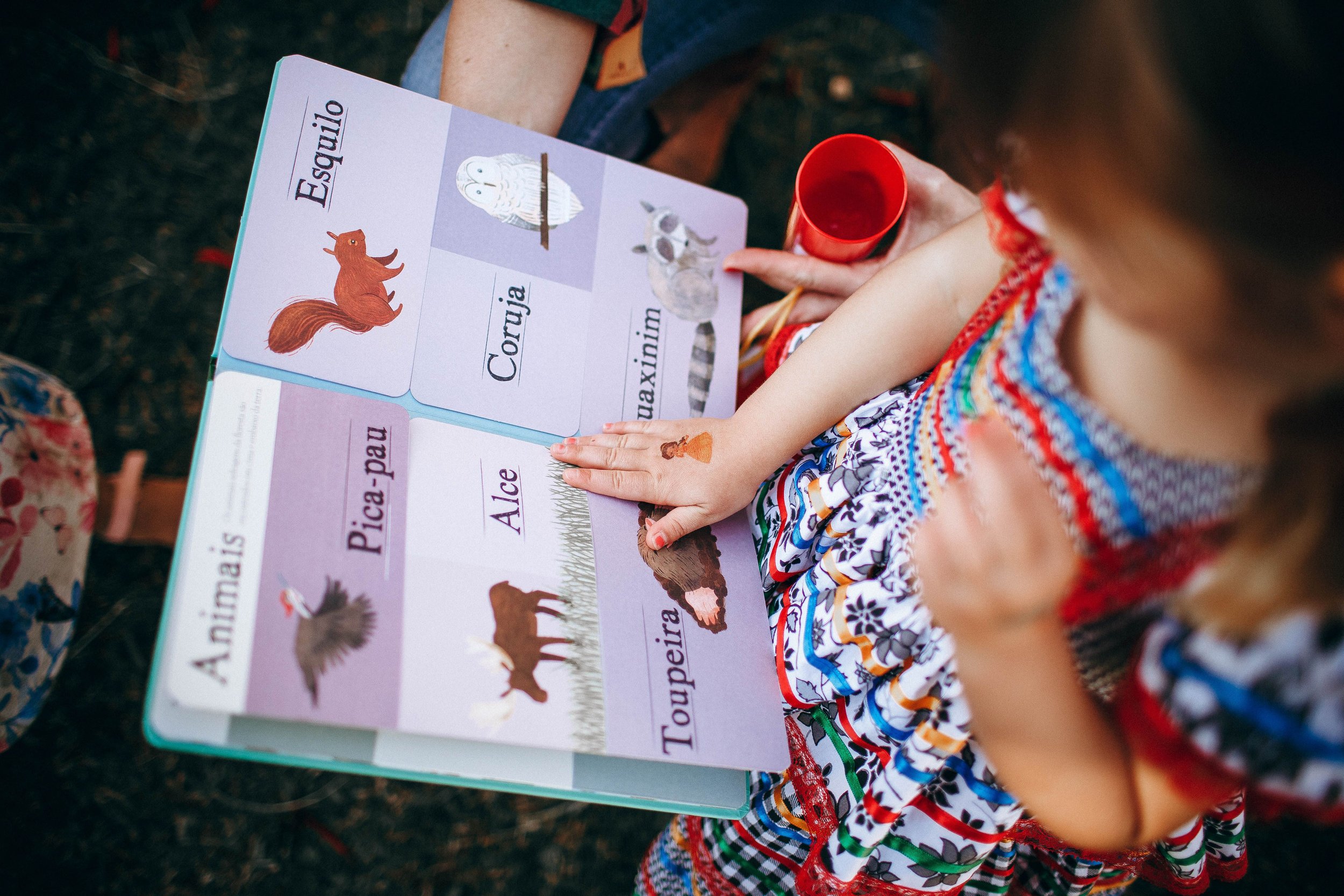
Not all bilingual children learn languages in the same way
Simultaneous Bilingualism and Sequential Bilingualism
Every bilingual child's journey is unique, and there are several ways children may become bilingual. Some children are exposed to two languages from birth. This is known as simultaneous bilingualism. For example, one parent may speak Maltese while the other speaks English. Children naturally learn both languages through everyday interactions and gradually begin to understand when and with whom to use each language. Other children first establish one language before learning another. This is known as sequential bilingualism and often occurs when children begin childcare or school, or when families move to a different country.
Balanced and Dominant Bilingualism
Some children develop similar skills in both languages and are considered balanced bilinguals. Others become more confident in one language because they hear or use it more often. This is known as dominant bilingualism, and it is completely normal. Language dominance may shift throughout childhood depending on changes in home, school and social environments. Children may also become bilingual through different environments. Some learn two languages because different family members use different languages at home, while others speak one language at home and another at school. Both experiences support bilingual development.
CLICK HERE NEW RESOURCE SALE
CLICK HERE NEW RESOURCE SALE
The Benefits of Bilingualism
Learning two languages offers much more than the ability to communicate with a wider range of people. Research suggests that bilingualism can strengthen several important cognitive skills.
Children who are bilingual may develop:
Better attention and concentration.
Stronger problem-solving and flexible thinking skills.
Improved working memory.
Better ability to switch between tasks and ignore distractions.
Greater awareness of different speech sounds, which can support later language and literacy development.
Managing two languages requires children to constantly select the appropriate language for each situation, providing regular practice for these important thinking skills (Bialystok, 2018; Paradis et al., 2011).
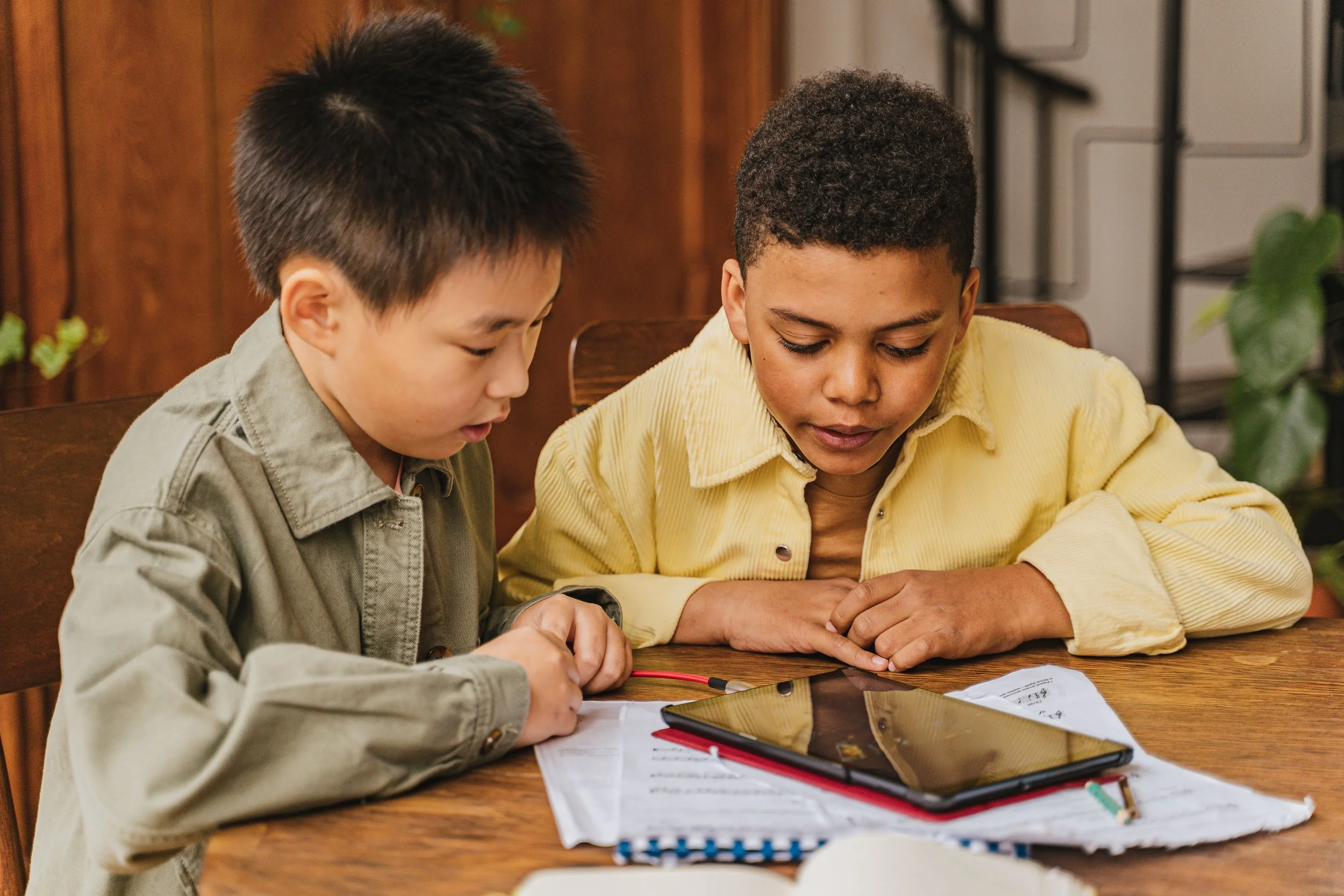
Does Bilingualism cause Language Difficulties?
The simple answer is no. One of the biggest misconceptions is that learning two languages causes speech or language delays. Research clearly shows that bilingualism does not cause developmental language disorders.
However, bilingual children may develop differently from monolingual children in ways that are completely typical.
For example, bilingual children often:
Mix words from both languages within the same sentence, a process known as code-switching.
Know certain words in one language and different words in the other depending on where they learned them.
Have a smaller vocabulary in each individual language, while their combined vocabulary across both languages is similar to that of monolingual children.
These are normal characteristics of bilingual development and should not be mistaken for language difficulties.
If a child has a genuine language disorder, the difficulties will usually be present across all of the languages they speak, rather than in just one.
It is also important to remember that the child's language environment plays a significant role. The amount of exposure to each language, the quality of interactions and the opportunities to communicate all influence how each language develops.
Learning and using two languages keeps the brain actively engaged. Rather than storing languages in completely separate parts of the brain, bilingual individuals use overlapping language networks and constantly select the appropriate language while suppressing the one they are not using. This process activates areas of the brain responsible for attention, working memory, cognitive flexibility and executive functioning. In other words, the brain is continuously practising skills such as focusing, switching between tasks and ignoring distractions. Over time, this mental exercise may strengthen these cognitive processes, which is why bilingualism has been associated with advantages in executive functioning, particularly in childhood and older adulthood (Bialystok, 2018).

Supporting your Bilingual Child
Parents play the most important role in helping children develop both languages.
Here are some practical tips:
Speak the language you are most comfortable using. Rich, natural conversations are more valuable than speaking a language you know less well.
Create frequent opportunities for your child to hear and use both languages through everyday routines, conversations, books, songs and play.
Read regularly in both languages whenever possible.
Encourage communication without focusing on perfection. Mistakes and code-switching are a normal part of learning.
Instead of correcting every error, model the correct sentence naturally within the conversation.
Remember that every child develops at their own pace. Some children progress more quickly in one language before catching up in the other.
Avoid comparing your child with other bilingual or monolingual children, as language development varies widely depending on exposure and opportunities to use each language.
Conclusion
Raising a bilingual child is a wonderful opportunity rather than a disadvantage. While bilingual children may develop each language slightly differently from monolingual children, these differences are a normal part of learning more than one language.
The most important ingredients for successful bilingualism are meaningful communication, regular exposure and positive experiences in both languages. Every conversation, bedtime story, song and family interaction helps your child build strong language skills while also strengthening their cultural identity and connections with the people around them.
Remember, bilingualism is not something to worry about: it's something to celebrate.
References
Bialystok, E. (2018). Bilingual education for young children: Review of the effects and consequences. International Journal of Bilingual Education and Bilingualism, 21(6), 666–679. https://doi.org/10.1080/13670050.2016.1203859
Grosjean, F. (2010). Bilingual: Life and reality. Harvard University Press.
Martínez Zamora, M. (2026). What is bilingualism? SINEWS Multilingual Therapy Institute. https://www.sinews.es/en/what-is-bilingualism
Paradis, J., Genesee, F., & Crago, M. B. (2021). Dual language development and disorders: A handbook on bilingualism and second language learning (3rd ed.). Paul H. Brookes Publishing.