Filter
- AAC
- Aphasia
- Autism
- Behaviour
- Bilingualism
- Dementia
- Down Syndrome
- Dyslexia
- Early Intervention
- Expert Insights
- Feeding
- General Awareness
- Higher Language Skills
- Inclusive Education
- Learning Difficulties
- Neurodegenerative Conditions
- School
- Selective Mutism
- Speech Sound Disorders
- Speech-Language Pathology Basics
- Voice
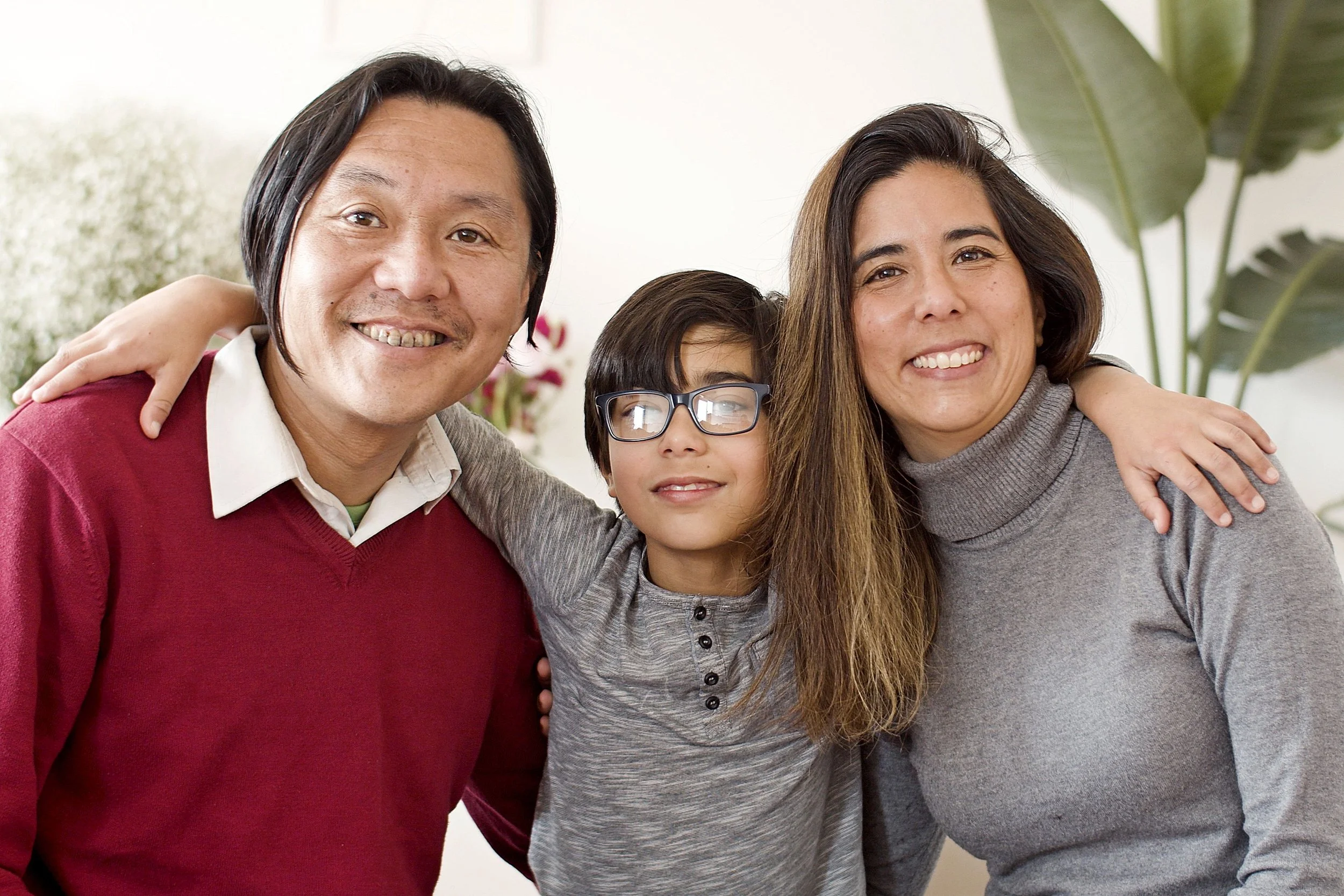
Helping Multilingual Children Thrive Through Talk, Play and Connection
Growing up with more than one language is increasingly common in multicultural communities. A multilingual child is someone who understands and/or uses two or more languages, whether spoken, signed or written, regardless of the age at which those languages were acquired (McLeod, 2024).
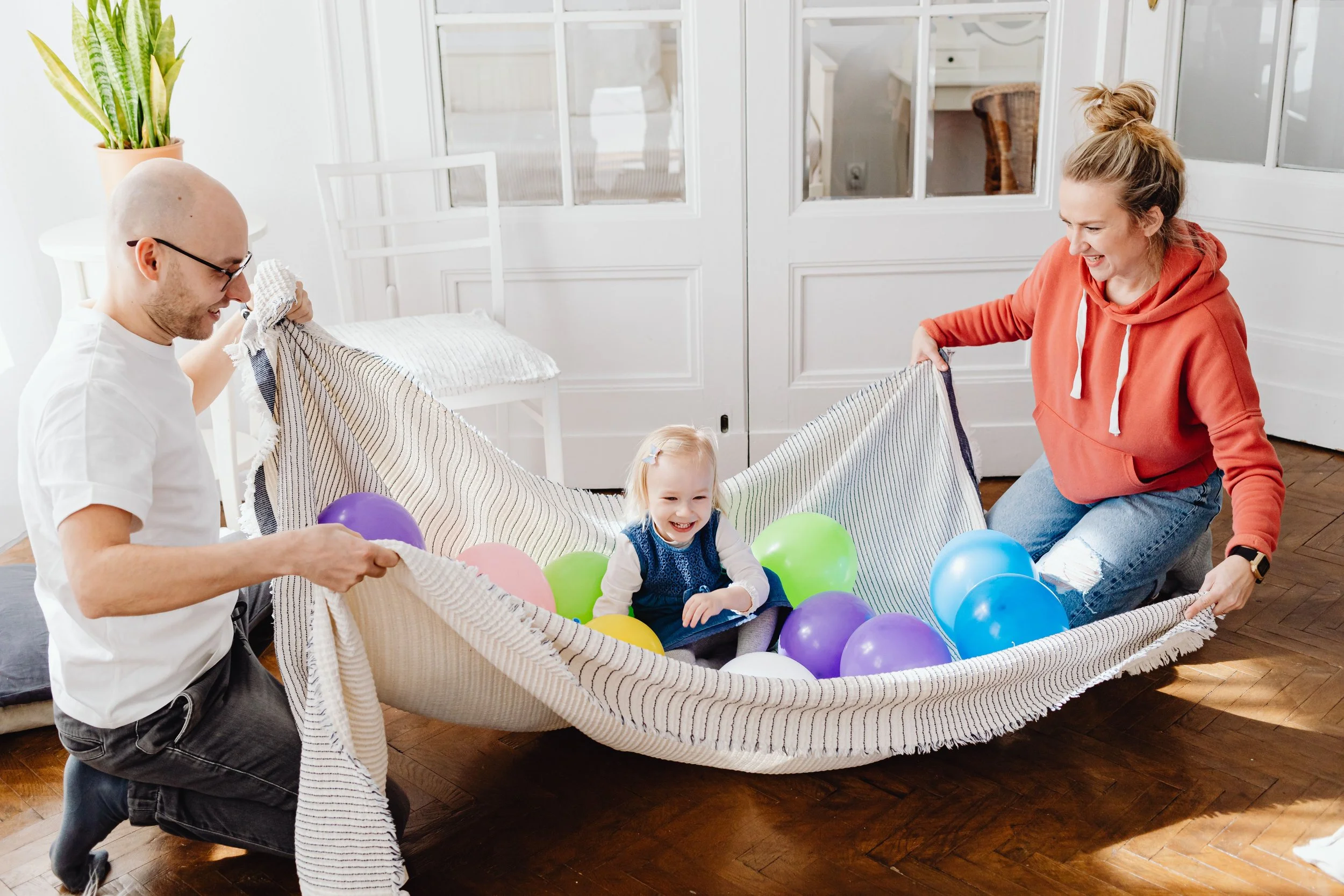
Bringing Speech Therapy into Everyday Play
Play is at the heart of speech and language therapy. Speech-Language Pathologists (SLPs) use play because it creates meaningful, enjoyable opportunities for children to communicate, learn, and develop new skills. When activities are based on a child's interests, motivation and engagement naturally increase, making language learning feel less like a lesson and more like fun. The good news is that parents can easily incorporate these strategies into everyday play at home.
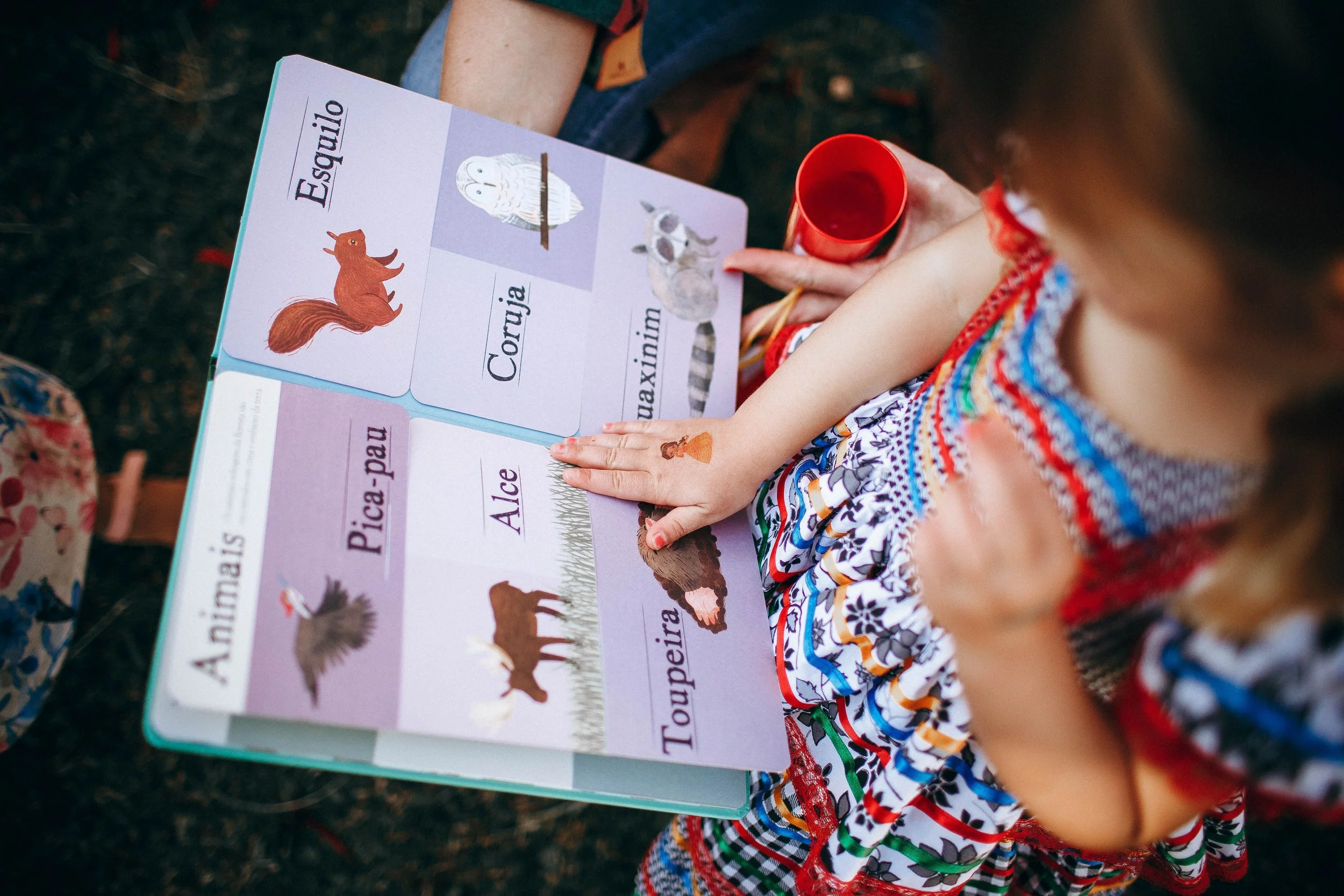
Bilingualism: Raising a Child with Two Languages
Many parents wonder whether speaking two languages at home will confuse their child or delay their speech. This is one of the most common myths surrounding bilingualism. The good news is that research consistently shows that bilingualism does not cause speech or language disorders. In fact, growing up with two languages can offer many lifelong benefits.