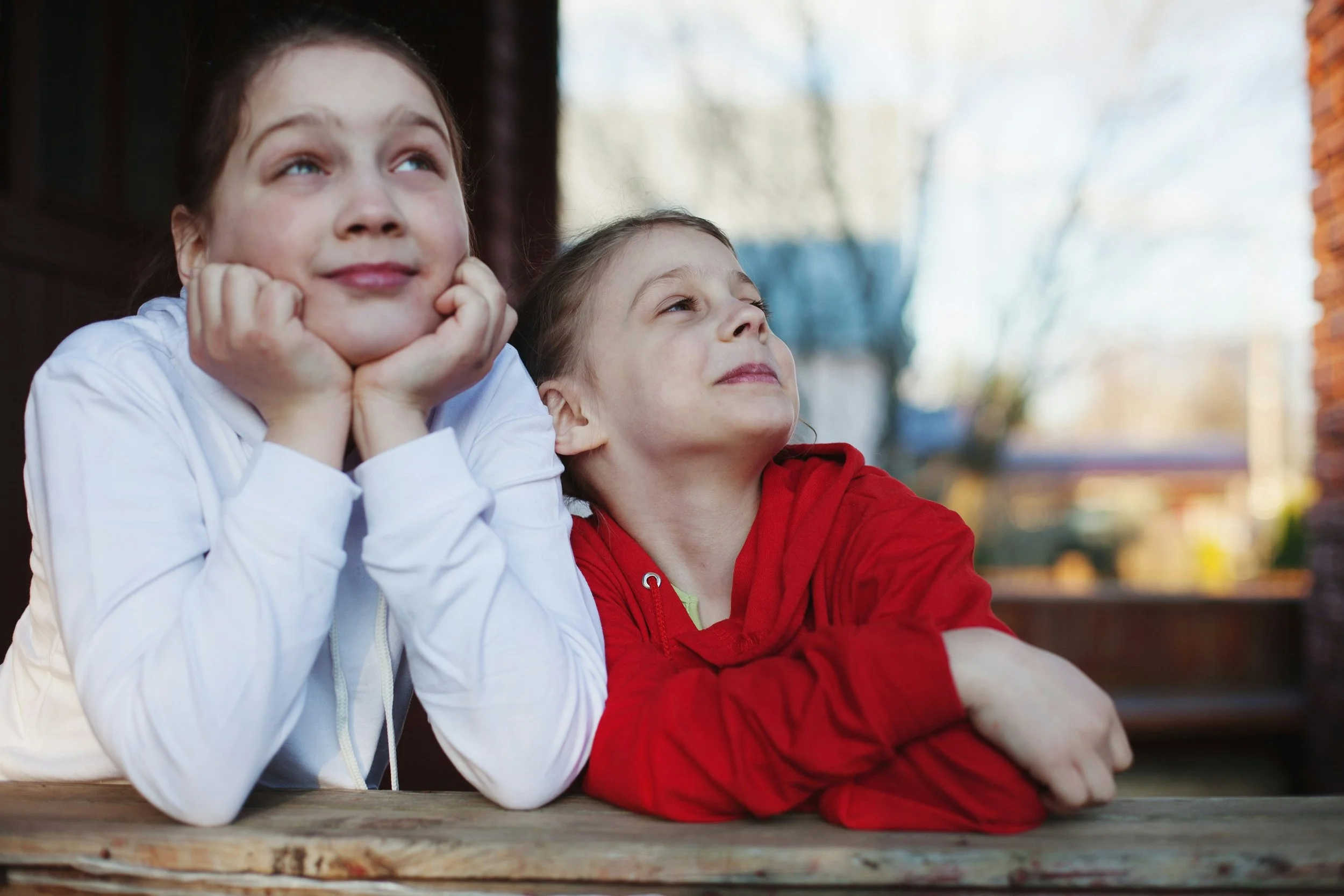
Autism Spectrum Disorder (ASD) is a neurodevelopmental condition that is typically diagnosed in childhood. Traditional estimates suggest that boys are around four times more likely to receive an autism diagnosis than girls (UCLA Health, 2023). However, growing research suggests that this difference may not reflect how common autism truly is. Instead, autism in females is often under-recognised because it can present differently from the traditional profile.
Why is Autism Often Missed in Girls?
Unlike many medical conditions, autism cannot be diagnosed through a blood test or brain scan. Instead, clinicians consider an individual's developmental history, social communication and interaction skills, and the presence of restricted and repetitive behaviours. Historically, autism research has focused predominantly on males, meaning many autistic girls and women may not fit the characteristics professionals have traditionally been trained to recognise (UCLA Health, 2023).
Grab your FREE YES or NO Resource
-
Grab your FREE YES or NO Resource -
The Hidden Role of Masking
One of the main reasons autism is overlooked in females is masking. Many autistic girls are highly motivated to fit in socially and consciously or unconsciously learn to imitate those around them. They may copy facial expressions, gestures and conversational styles, force themselves to maintain eye contact, rehearse conversations in advance or suppress behaviours such as stimming.
Many also develop good superficial conversational skills and display fewer obvious externalising behaviours than boys. While these strategies may help them navigate social situations, they often require significant mental effort and can be emotionally exhausting.
When Autism Looks Different
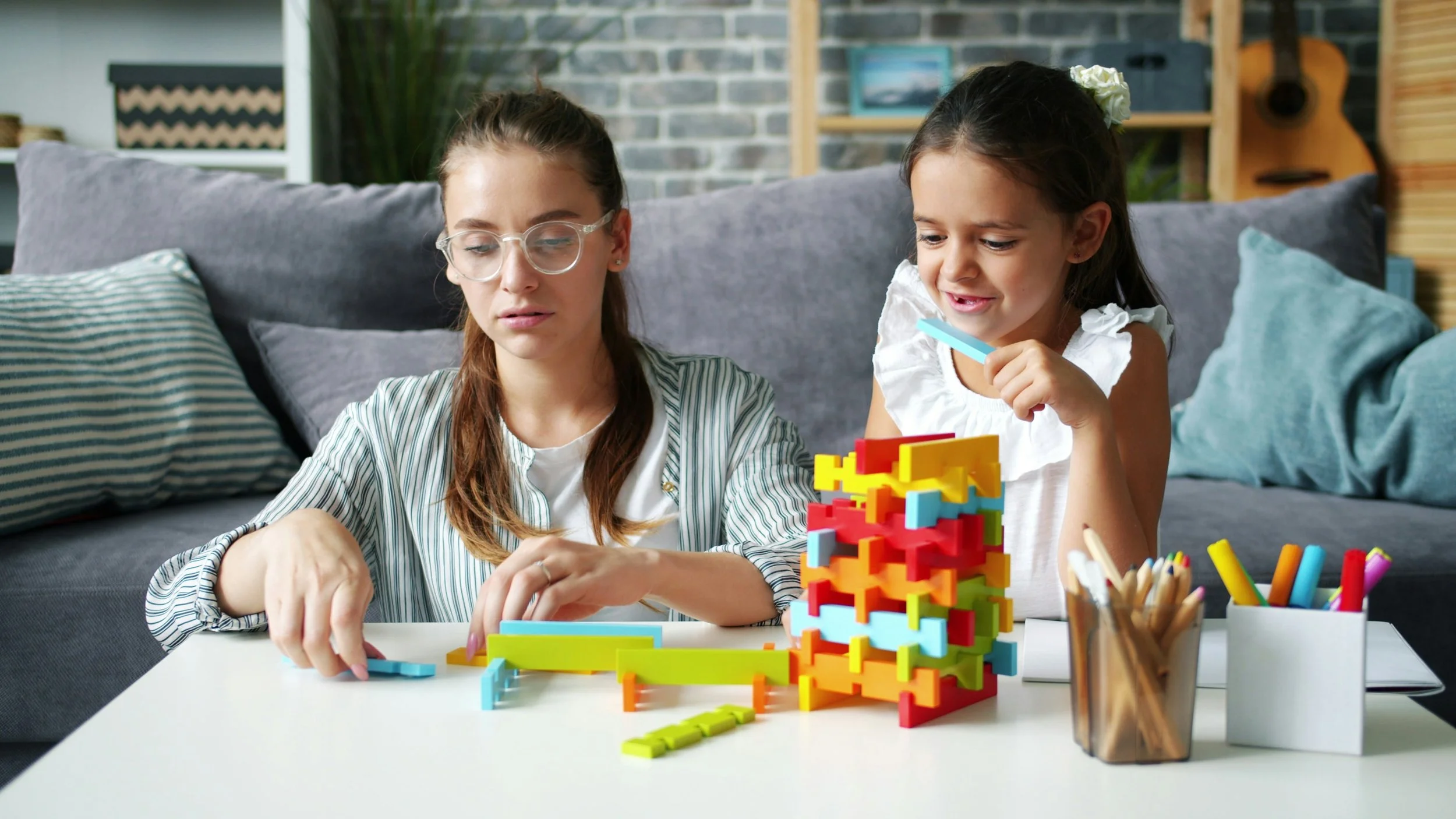
Autistic females are also more likely to internalise their difficulties. Rather than displaying behaviours that attract attention, they may appear shy, quiet or perfectionistic, or experience anxiety. Sensory differences, including heightened sensitivity to sounds, lights, smells or touch, may be more noticeable than communication challenges. Many girls and women also develop intense interests that appear socially typical, such as books, animals or celebrities, but pursue these interests with exceptional depth and focus (UCLA Health, 2023). The impact of masking should not be underestimated. Long-term masking has been associated with exhaustion, autistic burnout, chronic stress, anxiety, depression, poor self-esteem and a loss of identity (Alaghband-rad et al., 2023).
A girl who appears to be coping well at school may actually be using enormous amounts of mental energy to manage the social and sensory demands of the day. As a result, parents may notice meltdowns, withdrawal or extreme exhaustion once she returns home, where she finally feels safe enough to relax and stop masking.
As girls grow older, increasing social, academic and workplace demands can make masking more difficult to maintain. Difficulties with executive functioning, emotional regulation, reading social cues and managing everyday tasks may become more apparent, leading many women to seek an autism assessment later in adolescence or adulthood. Co-occurring conditions such as ADHD, anxiety and depression are also common (UCLA Health, 2023).
Looking Beyond the Stereotypes
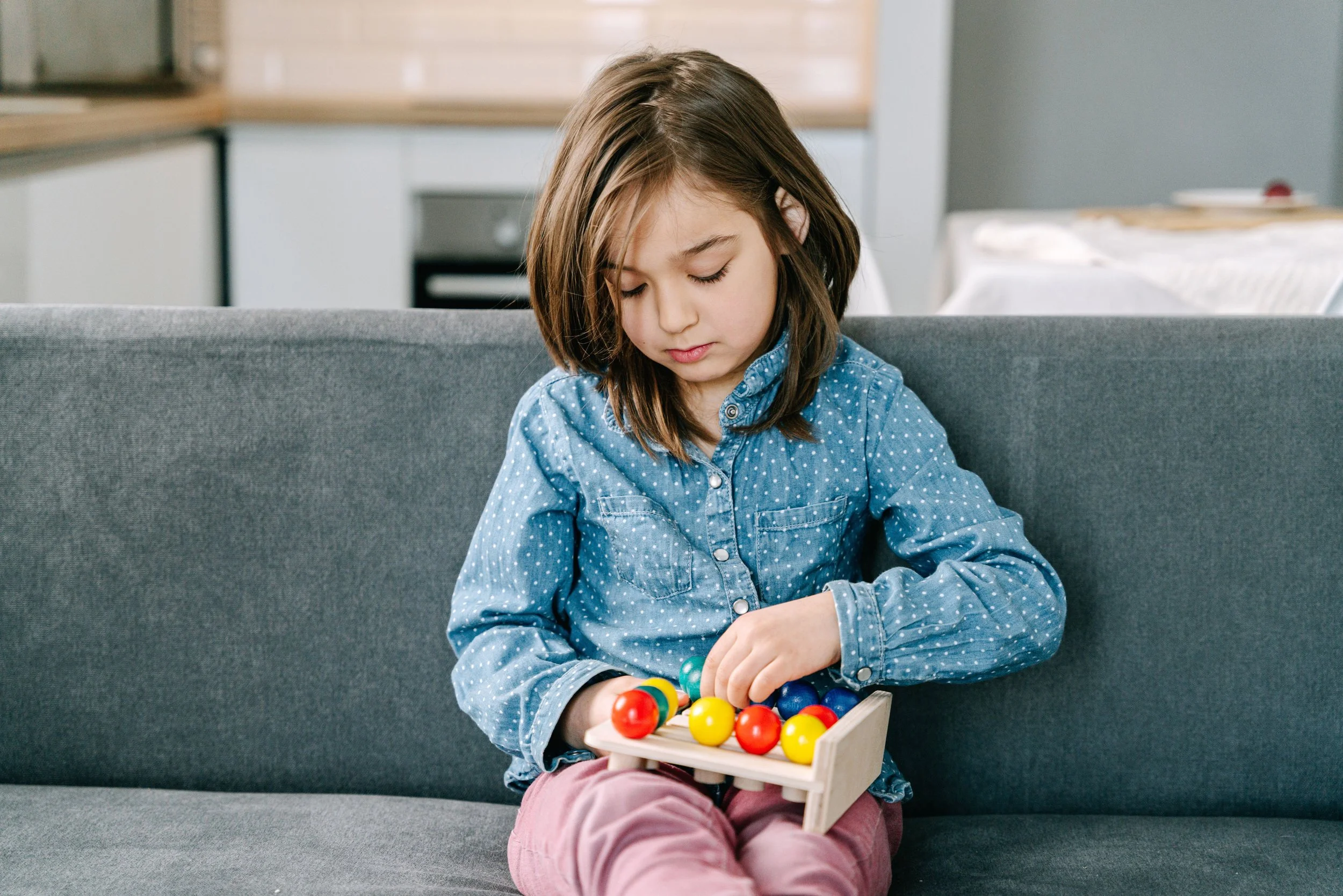
Autism in females often looks different from the traditional picture many people associate with autism. Looking beyond stereotypes is essential to ensure girls and women are recognised, understood and supported as early as possible. Earlier identification can improve access to appropriate support, reduce the emotional burden of masking and help autistic females thrive without feeling they need to hide who they are.
References
Alaghband-rad, J., Hajikarim-Hamedani, M., Ashayeri, H., & Sahimi-Izadian, E. (2023). Camouflage and masking behavior in adult autism. Basic and Clinical Neuroscience, 14(2), 245–258. https://doi.org/10.32598/bcn.2023.3705.1
UCLA Health. (2023, October 17). Understanding undiagnosed autism in adult females. https://www.uclahealth.org/news/article/understanding-undiagnosed-autism-adult-females