Bringing Speech Therapy into Everyday Play
Play is at the heart of speech and language therapy. Speech-Language Pathologists (SLPs) use play because it creates meaningful, enjoyable opportunities for children to communicate, learn, and develop new skills. When activities are based on a child's interests, motivation and engagement naturally increase, making language learning feel less like a lesson and more like fun. The good news is that parents can easily incorporate these strategies into everyday play at home.
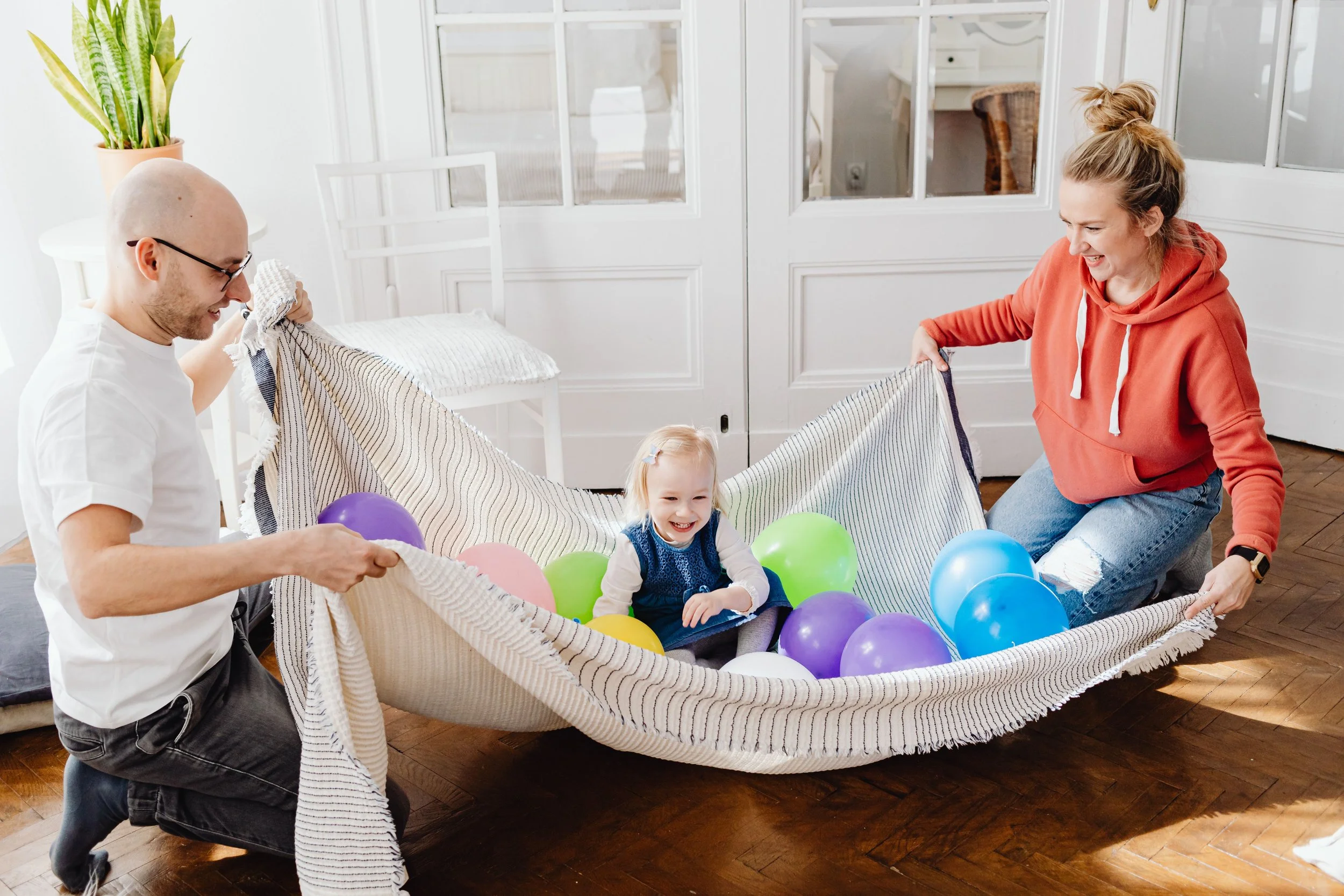
Home Strategies That Make a Difference
1. Narrate Your Play
Talk about everything you and your child are doing as you play together. For example, "The car is going fast!" or "We're building a tall tower!" Narrating actions exposes children to new vocabulary and sentence structures while providing natural models for imitation. Using an animated, enthusiastic voice also helps capture your child's attention.
2. Model Simple, Repetitive Phrases
Children learn language through repetition. Use predictable phrases such as "Ready, steady, go!" or "One, two, three!" During familiar routines, pause before the final word - "Ready, steady..." and wait expectantly. This encourages your child to fill in the missing word and helps them understand that their communication leads to exciting outcomes, such as blowing bubbles or launching a toy.
NEW WH-QUESTIONS RESOURCE
NEW WH-QUESTIONS RESOURCE
3. Follow Your Child's Lead
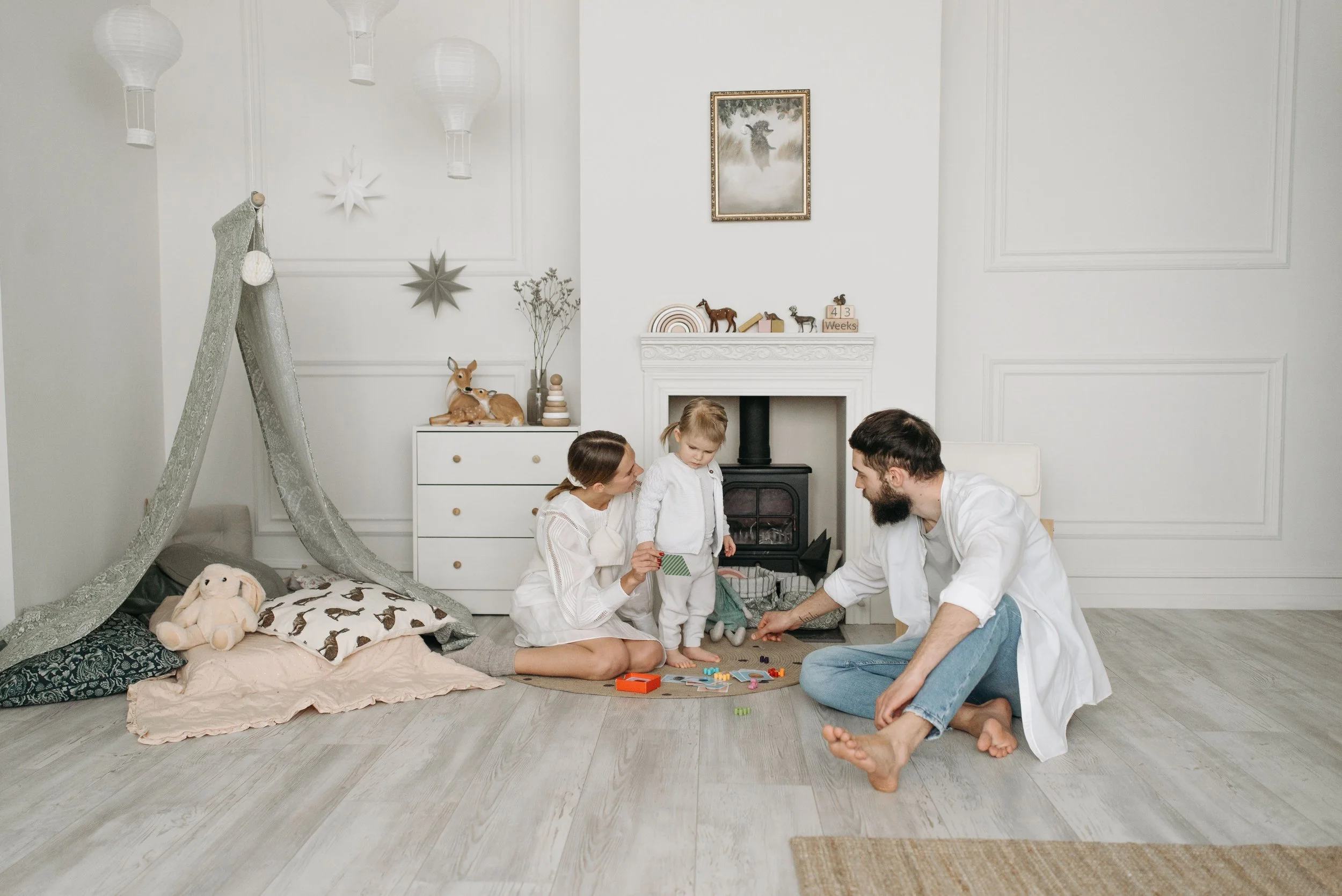
Allow your child to choose the activity and direct the play whenever possible. When children are engaged in something they enjoy, they are more likely to communicate. Following their interests also creates spontaneous opportunities to introduce new words, expand their language, and encourage conversation.
4. Read Interactive Books Together
Interactive books transform story time into an engaging language experience. Lifting flaps, pressing buttons, pointing to pictures, and answering simple questions encourage active participation rather than passive listening. Shared reading supports vocabulary development, joint attention, fine motor skills, and sustained focus while promoting enjoyable back-and-forth interactions (Reid, 2026).
5. Offer Choices
Providing two clear options helps children communicate their preferences. For example, ask, "Do you want the ball or the bubbles?" while showing both items. Naming each option and waiting for a response encourages children to talk, point, gesture, or sign to express themselves.
6.Sing Songs and Use Music
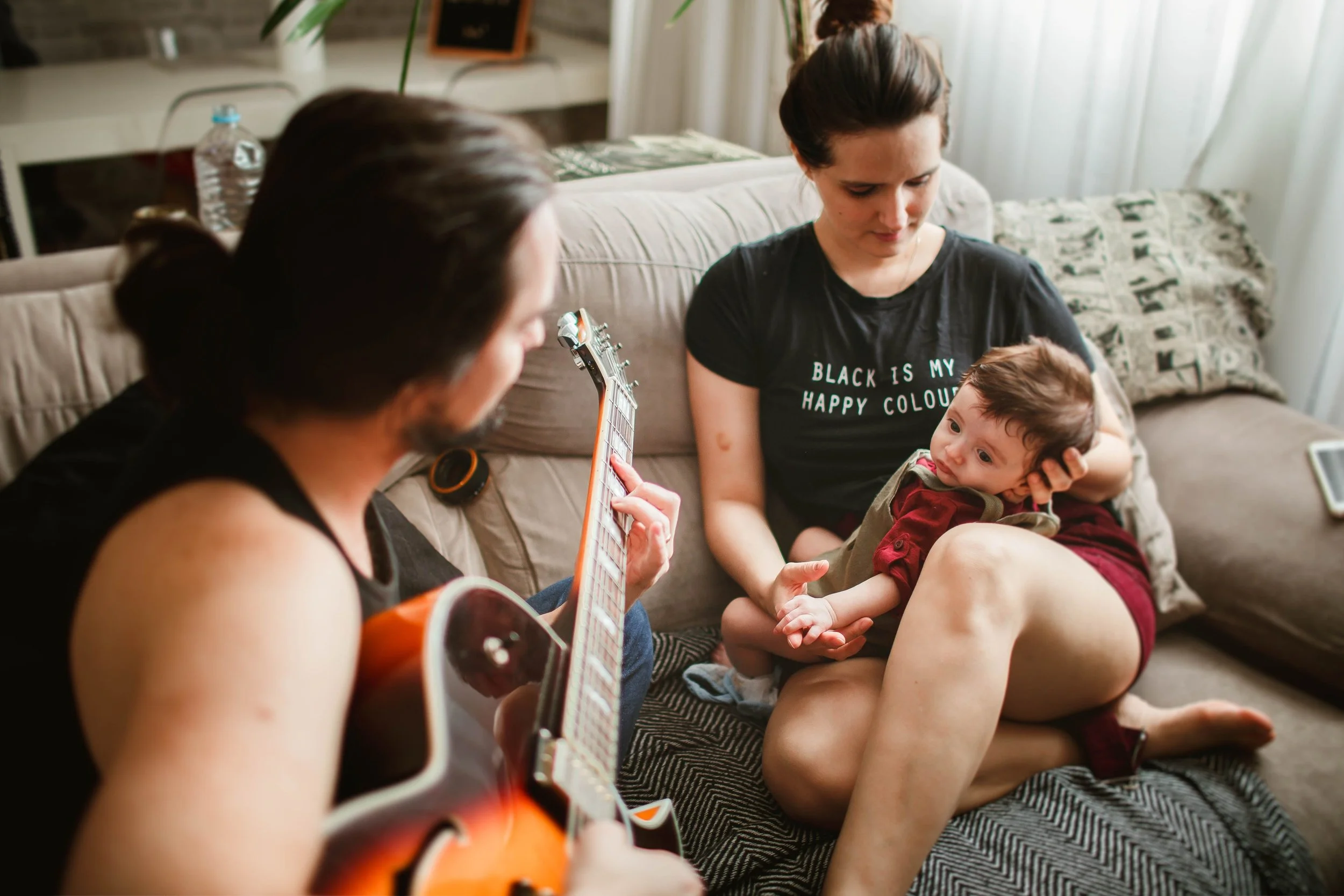
Music naturally supports speech and language development. Songs help children remember words, learn rhythm and pronunciation, and expand their vocabulary. The repetitive patterns found in music make speech easier to process and imitate while keeping children engaged (Greenburg, 2025).
7. Pair Words with Gestures
Gestures make language more visual and easier to understand. Many children imitate actions before they can imitate spoken words. Model simple gestures alongside key words such as ‘more’, ‘eat’, ‘drink’, or ‘all done’. Over time, children often begin using both the gesture and the spoken word together.
8. Build Social Routines into Play
Simple social routines help children practice everyday communication skills in a relaxed setting. Encourage your child to wave and say "hello" or "bye-bye" to toys, take turns, or pretend to feed dolls and stuffed animals. Modelling these interactions during play helps children develop social communication skills that can transfer to real-life situations
Conclusion
Play doesn't need to be complicated to support communication. By talking, singing, reading, and following your child's interests, you are creating countless opportunities for language learning throughout the day. Remember, the most valuable toy is often an engaged communication partner who is having fun alongside the child.
References
Affronti, F. (2026, March 21). Effective play-based speech therapy techniques for children. Grow with Coral. https://www.growwithcoral.com/blog/play-based-slp-techniques
Greenburg, L. (2025, April 2). How music and singing promote your child's language skills. Curious Baby Cards. https://curiousbabycards.com/blogs/read/how-music-and-singing-promote-your-childs-language-skills
Reid, C. (n.d.). Why interactive books are so good for babies… and adults!. BookTrust. https://www.booktrust.org.uk/resources/find-resources/why-interactive-books-are-so-good-for-babies-and-adults/