When Words Are Taking Their Time
A late talker is typically a toddler between 18 and 30 months who has a smaller vocabulary than expected for their age. At this stage, their understanding of language may be appropriate, and other areas of development, such as play and motor skills, may also be developing as expected (Lowry, 2011). Certain factors may increase the likelihood of later language difficulties. These include a family history of language difficulties, being male, being born prematurely, and having a low birth weight.
Importantly, being a late talker does not automatically mean that a child has a language disorder. Some children are simply later to develop spoken language and may catch up with their peers. Children who use a greater range of communicative gestures may be more likely to catch up.
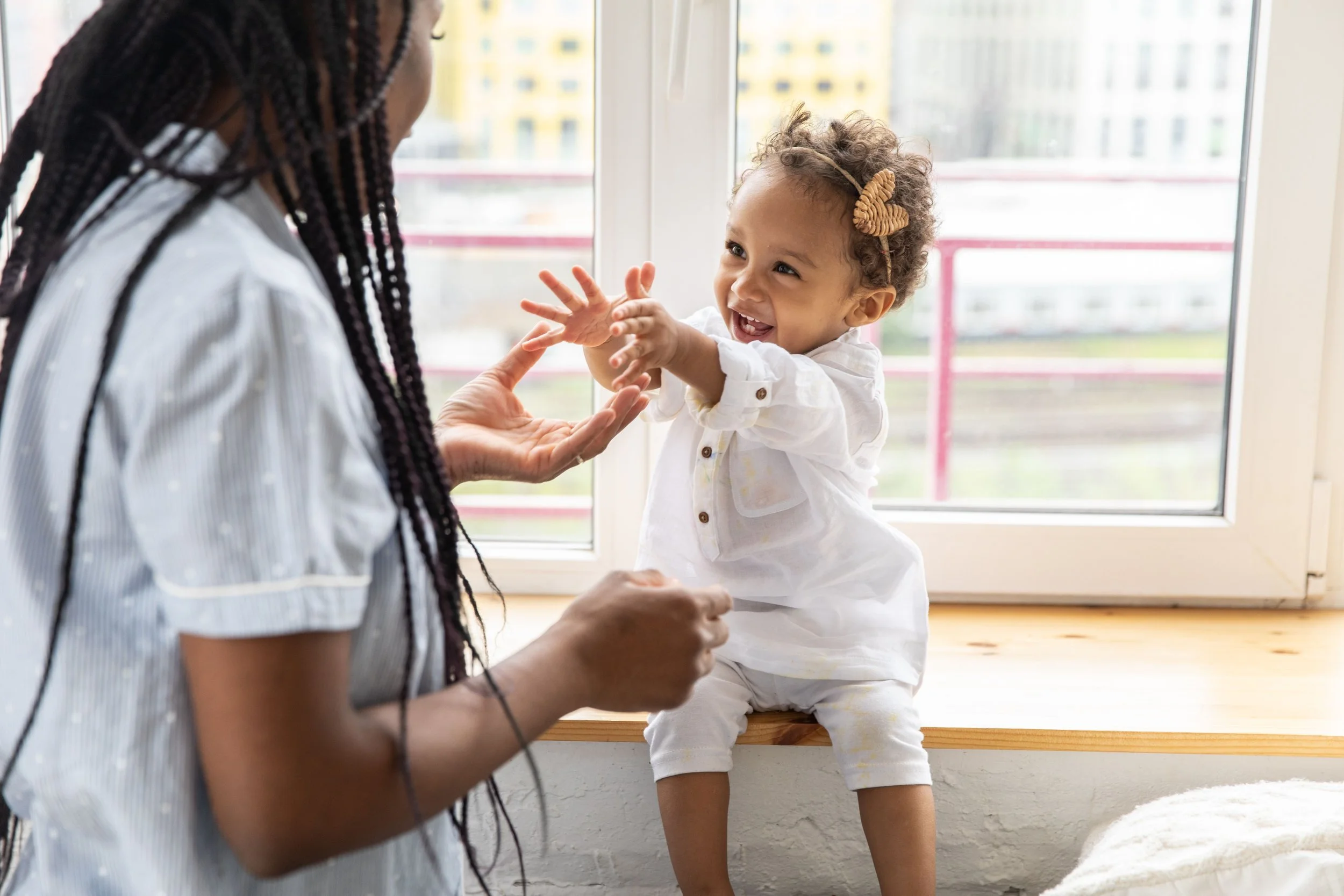
Look Beyond the Number of Words
When considering a child's communication development, it is important not to focus only on how many words they can say. Communication is much broader than spoken vocabulary, and a child's understanding and use of other forms of communication are also important.
Consider questions such as:
Does your child understand what you say?
Can they follow simple instructions?
Do they use gestures to communicate?
Do they point to or show you what they want?
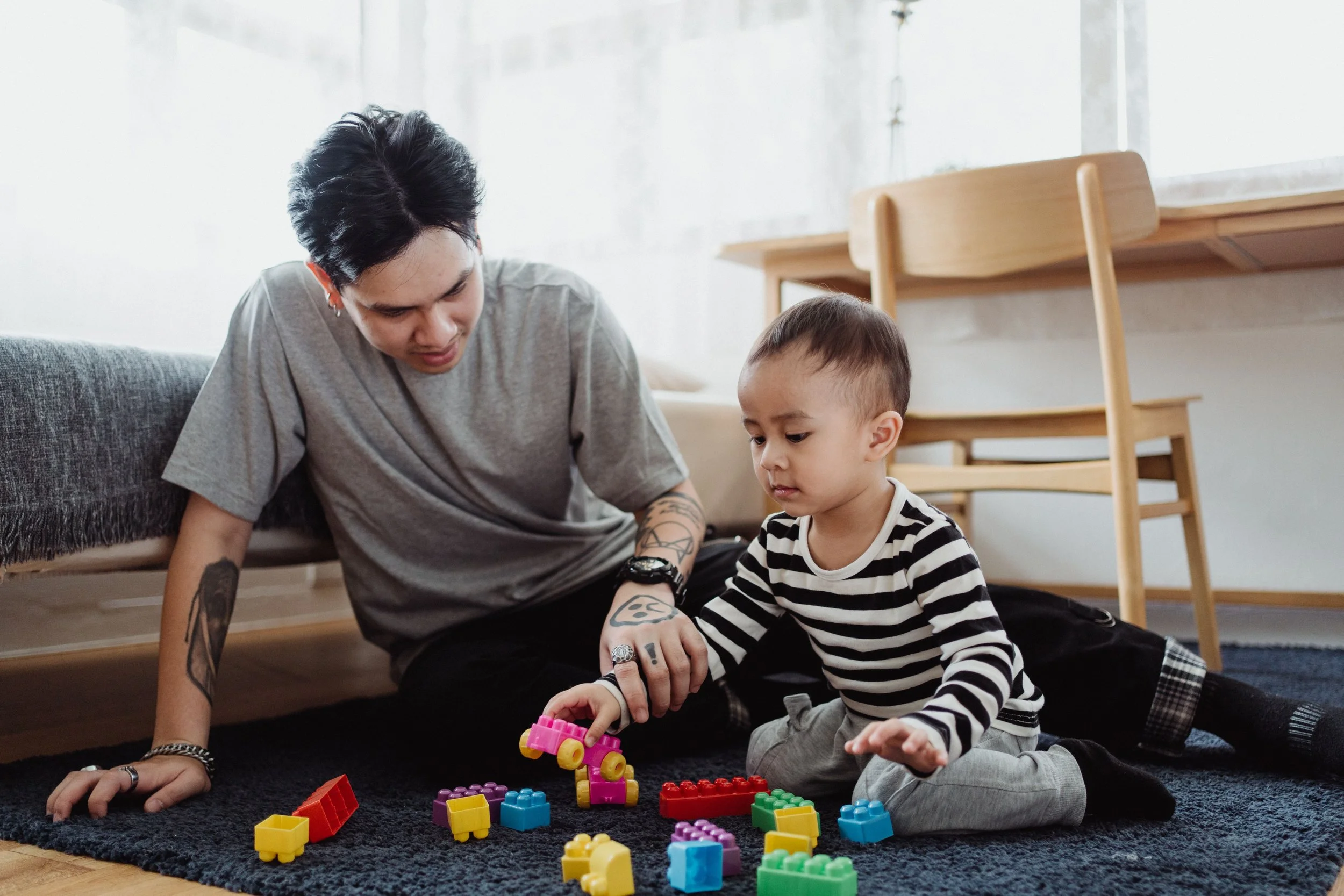
Do they engage in play with others?
Do they attempt to communicate in other ways, such as through sounds, facial expressions or actions?
Receptive language, or a child's ability to understand language, is particularly important. Children who experience difficulties with both understanding and expressing language may have poorer language outcomes than children whose difficulties are primarily expressive.
NEW WH-QUESTIONS RESOURCE
NEW WH-QUESTIONS RESOURCE
Don't Forget About Hearing!
Hearing plays an important role in speech and language development. If a child is having difficulty communicating or is using fewer words than expected, it is important to consider whether they are hearing speech clearly.
Even temporary hearing difficulties, such as those associated with ear infections or glue ear, can affect how clearly a child hears speech and language. If there are concerns about hearing, a hearing assessment with an audiologist can help determine whether hearing may be contributing to a child's communication difficulties.it.
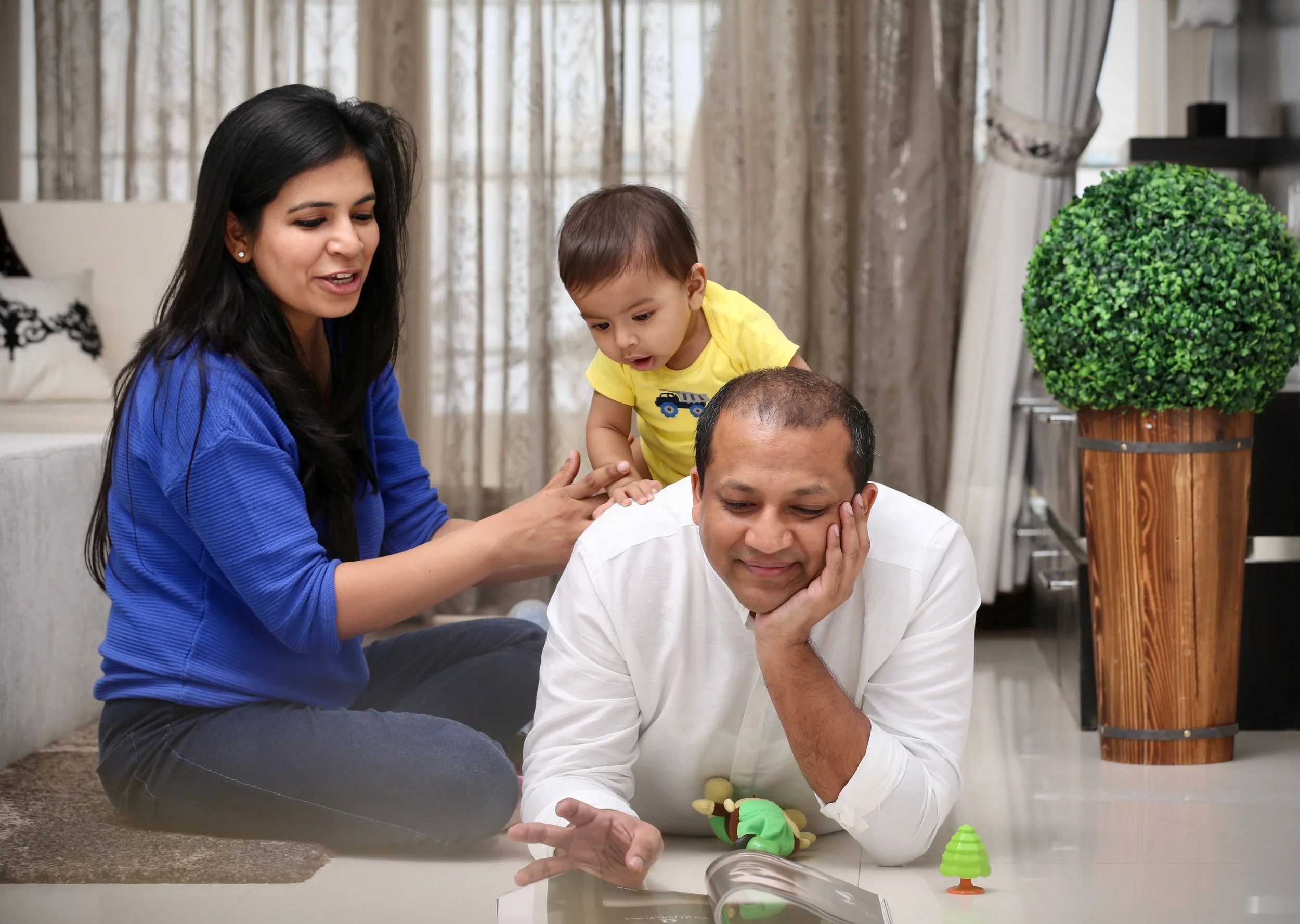
How Can We Encourage a Child to Talk?
Encouraging a child to communicate does not mean repeatedly asking them to “say” words. Instead, the aim is to create enjoyable and meaningful opportunities for communication.
Some strategies parents can try include:
1. Follow your child's interests
Join your child in activities they already enjoy. Following their interests can create natural opportunities for interaction and communication.
2. Comment rather than constantly asking questions
Instead of asking lots of questions, try commenting on what your child is doing. For example, if they are playing with a car, you might say, “Car is going fast!” or “The car is going up.” This provides language for your child to hear without placing pressure on them to respond.
3. Model simple words and phrases
Use words that are relevant to what your child is doing and model them naturally during everyday activities. You do not need to expect your child to repeat the word immediately.
4. Give your child opportunities to communicate
Try not to anticipate every need. If your child usually reaches for a favourite toy, pause before immediately giving it to them. This creates an opportunity for them to communicate what they want through a word, gesture, sound, pointing or another form of communication.
5. Pause and wait
After commenting, asking a question or offering a choice, give your child some extra time to respond. A few seconds of waiting can provide an important opportunity for them to process what has been said and communicate in their own way.
6. Make everyday routines count
Mealtimes, bath time, getting dressed, shopping and travelling can all become opportunities for language learning. Repeated routines provide children with predictable contexts in which they can hear and practice familiar words and phrases.
(Strategies adapted from Leonie, 2026).
The Goal Is Communication, Not Pressure
The goal is not to pressure a child into talking. Instead, we want to create enjoyable, meaningful opportunities where communication has a purpose. A child may communicate through spoken words, gestures, facial expressions, pointing, sounds or other forms of communication. All of these attempts can be valuable stepping stones towards developing communication.
The American Speech-Language-Hearing Association (ASHA, n.d.) recommends early identification, screening and monitoring for children with late language emergence, as some children may be at increased risk for later language and literacy difficulties. Assessment can consider a child's hearing, receptive and expressive language, gestures, play, social communication and speech development.
If you are concerned about your child's communication, you do not need to simply ‘wait and see’ whether they will catch up. Speaking with a Speech and Language Therapist can help you understand your child's individual communication profile and identify practical ways to support their development.
References
Leonie, K. (n.d.). 10 ways to achieve more effective parent-child interaction. https://smalltalksalt.com/10-ways-to-achieve-more-effective-parent-child-interaction/
Lowry, L. (2024, June). How to tell if your child is a late talker – And what to do about it. The Hanen Centre. https://www.hanen.org/information-tips/how-to-tell-if-your-child-is-a-late-talker
American Speech-Language-Hearing Association. (n.d.). Late language emergence. https://www.asha.org/practice-portal/clinical-topics/late-language-emergence/