How Summer Routine Changes Can Affect Communication
Summer is often something families tend to look forward to. Slower mornings, more time together, and a break from the usual routine are often enjoyed. However, for individuals on the autism spectrum, a fundamental shift in communication can often be observed. These changes may appear subtle and not immediately obvious. Yet, when we observe closely, they tend to show in small but meaningful ways. Reduced initiation, increased frustration, and fewer interactions with others are all common indicators. This highlights an important point. Communication does not exist in isolation. It relies heavily on predictability, regulation, and a sense of safety.

Change in Routine
During the scholastic year, communication is naturally supported by structure. Familiar routines, repeated language, and clear expectations provide a scaffold that helps individuals understand and express themselves more effectively. When summer arrives, this scaffolding often disappears. Days become more flexible, predictability is reduced, and the environment becomes less consistent. New places, different people, and increased sensory input can place additional demands on the individual, making language processing more challenging. In turn, the motivation or ability to communicate may also be affected.
Despite these challenges, summer presents valuable opportunities for communication in natural and meaningful contexts. Everyday moments can become powerful building blocks for interaction. Choosing an ice cream, asking for more food or water, reacting to a wave at the beach, or sharing a moment of excitement are all examples. These experiences may seem simple, but they form the foundation of functional communication. Slowing down and becoming more aware of these everyday opportunities can be highly beneficial (Clark, 2025).
Child-Led Play
It may be tempting to fill a child’s day with activities or to guide play in a particular direction. However, communication is often more meaningful when it is driven by the child’s own interests and motivation. Following the child’s lead can support more authentic engagement. This may begin with simply observing the child during play, then gently adding language. A simple comment, a shared look, or a small expansion of the child’s communication can encourage interaction without creating pressure.
Child-led play is mainly supported through just saying YES!. Be more flexible with your routine and promote language through tasks and individual interests. Giving the child the opportunity to have a sense of autonomy will also promote creativity and innovation in early childhood and even early teenage years.
Visual Support & Pace
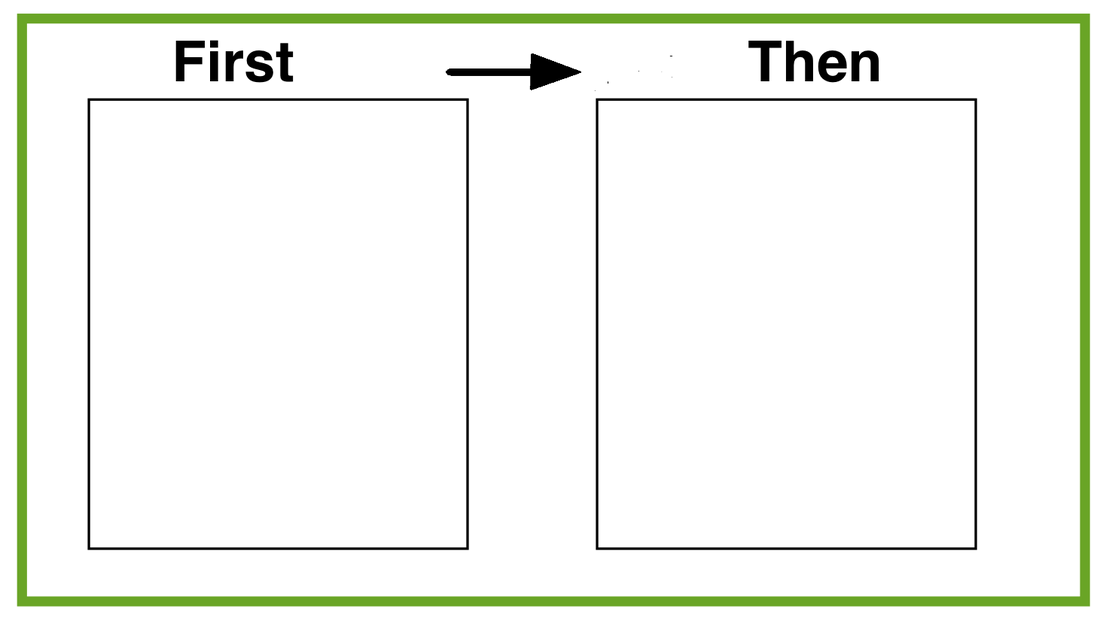
Visual supports can also play a significant role during the summer months. Simple tools such as a ‘first then’ schedule, offering a choice between two options using visuals, or showing photos of upcoming places and activities can support understanding and engagement. When an individual knows what to expect, their confidence in interacting often increase (Rutherford et al., 2023).
Another important consideration is the pace of communication. Slowing down, allowing processing time, and giving space for responses can make a significant difference. It is equally important to recognise and accept all forms of communication. Gestures, pointing, eye gaze, and alternative communication systems are all meaningful ways of expressing needs and connecting with others.
Adjusting to the Change
Communication breakdowns may still occur, particularly during periods of change. These moments should not be viewed as setbacks, but rather as signals. They may indicate that the individual is overwhelmed, dysregulated, or finding it difficult to process their environment. In such situations, regulation should always come first. Providing reassurance, reducing demands, and offering simple, supportive language can help restore a sense of safety and support the return of communication.
Although summer may bring changes to routine, it does not have to hinder communication development. Instead, it can be an opportunity to focus on connection, shared experiences, and meaningful interaction. By slowing down, following the individual’s lead, and making the most of everyday moments, communication can continue to develop in a natural and supportive way.
References
Clark, C. (n.d.). Functional communication: Goals and speech therapy ideas. Speech And Language Kids. https://www.speechandlanguagekids.com/functional-communication/
Rutherford, M., Maciver, D., Johnston, L., Prior, S., & Forsyth, K. (2023). Piloting a home visual support intervention with families of autistic children and children with related needs aged 0–12. Healthcare, 11(6), 879. https://doi.org/10.3390/healthcare11060879