Down Syndrome: Why Starting Early Can Make a Big Difference
When a child is diagnosed with Down Syndrome, parents often find themselves navigating a wealth of information, emotions, and decisions. While every child develops at their own pace, one thing is clear: early intervention can make a significant difference in supporting a child's growth and development.
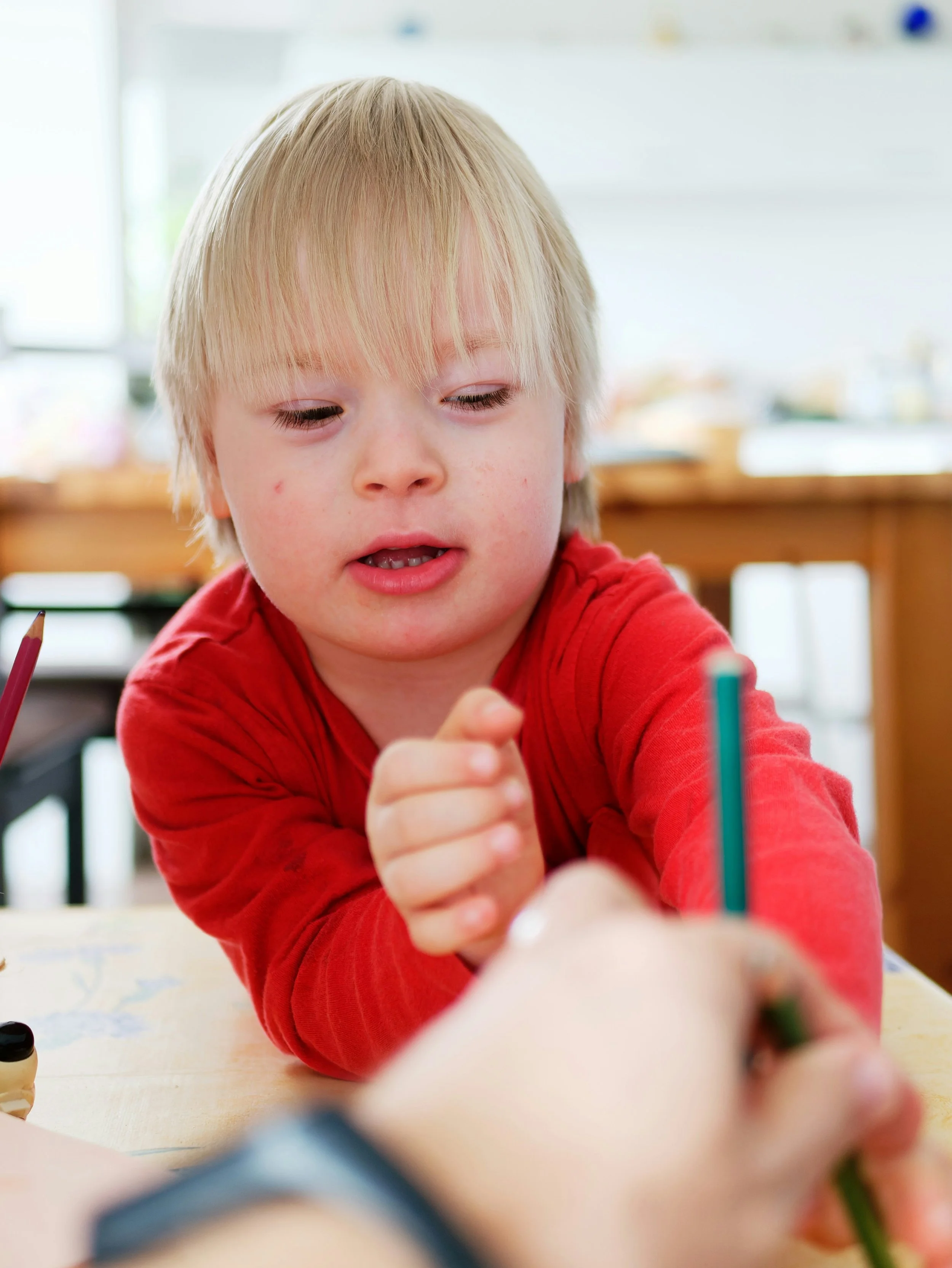
What is Down Syndrome?
Down Syndrome is a genetic condition that occurs when an individual is born with an extra copy of chromosome 21. This additional genetic material affects brain and body development, leading to a range of physical characteristics and developmental differences. Individuals with Down Syndrome may experience challenges in areas such as learning, communication, movement, and daily living skills (Centers for Disease Control and Prevention, 2026).
Why Are the Early Years So Important?
The first few years of life are a period of rapid growth and development. During this time, children acquire important physical, cognitive, language, social, and self-help skills. These milestones typically emerge in predictable patterns, providing the foundation for future learning and independence.
For children with Down Syndrome, developmental progress may occur at a slower pace or require additional support. Fortunately, the first five years of life are also a period of remarkable brain plasticity, meaning the brain is especially responsive to learning and new experiences.
Research shows that children who receive early intervention are more likely to:
Develop effective communication skills, whether through spoken language or alternative forms of communication.
Build the motor skills needed for play, exploration, and daily activities.
Form positive relationships with peers and family members.
Enter school with stronger readiness skills and greater access to learning opportunities.
Achieve improved educational outcomes over time (European Down Syndrome Association, n.d.).
Grab your FREE Higher Language Crossword
-
Grab your FREE Higher Language Crossword -
What Does Early Intervention Involve?
Early intervention is not a single programme but rather a collection of services tailored to a child's individual needs. These supports often involve a multidisciplinary approach that includes therapists, educators, healthcare professionals, and families working together.

1. Physical Therapy: Building the Foundations for Movement
Many babies with Down Syndrome experience low muscle tone (hypotonia), which can affect their ability to develop motor skills such as sitting, crawling, standing, and walking.
Physical therapists work with children to strengthen muscles, improve balance and coordination, and encourage purposeful movement. Movement is more than a physical skill. It helps children explore their environment, learn new concepts, and engage socially with others. Early physical therapy can also help prevent the development of less efficient movement patterns that children with Down Syndrome may otherwise adopt.
2. Speech and Language Therapy: Supporting Communication from the Start
Communication development is often an area where children with Down Syndrome benefit greatly from early support. Speech and language therapy can begin long before a child says their first words.
Therapists often focus on developing important pre-verbal skills, including:
Imitation
Turn-taking
Listening skills
Visual attention
Auditory processing
Matching and sorting activities
Oral-motor skills
By strengthening these foundational abilities, children are better prepared to develop language, express themselves, and engage meaningfully with others.
3. Occupational Therapy: Encouraging Independence
Occupational therapists help children develop the fine motor skills needed for everyday activities. These skills include grasping objects, stacking blocks, opening and closing containers, and manipulating toys.
Occupational therapy also supports the development of self-help skills such as:
Feeding independently
Dressing
Personal care routines
Participation in play and learning activities
These skills contribute significantly to a child's independence and confidence.
4. Family Support and Parent Training: Empowering the Most Important Teachers
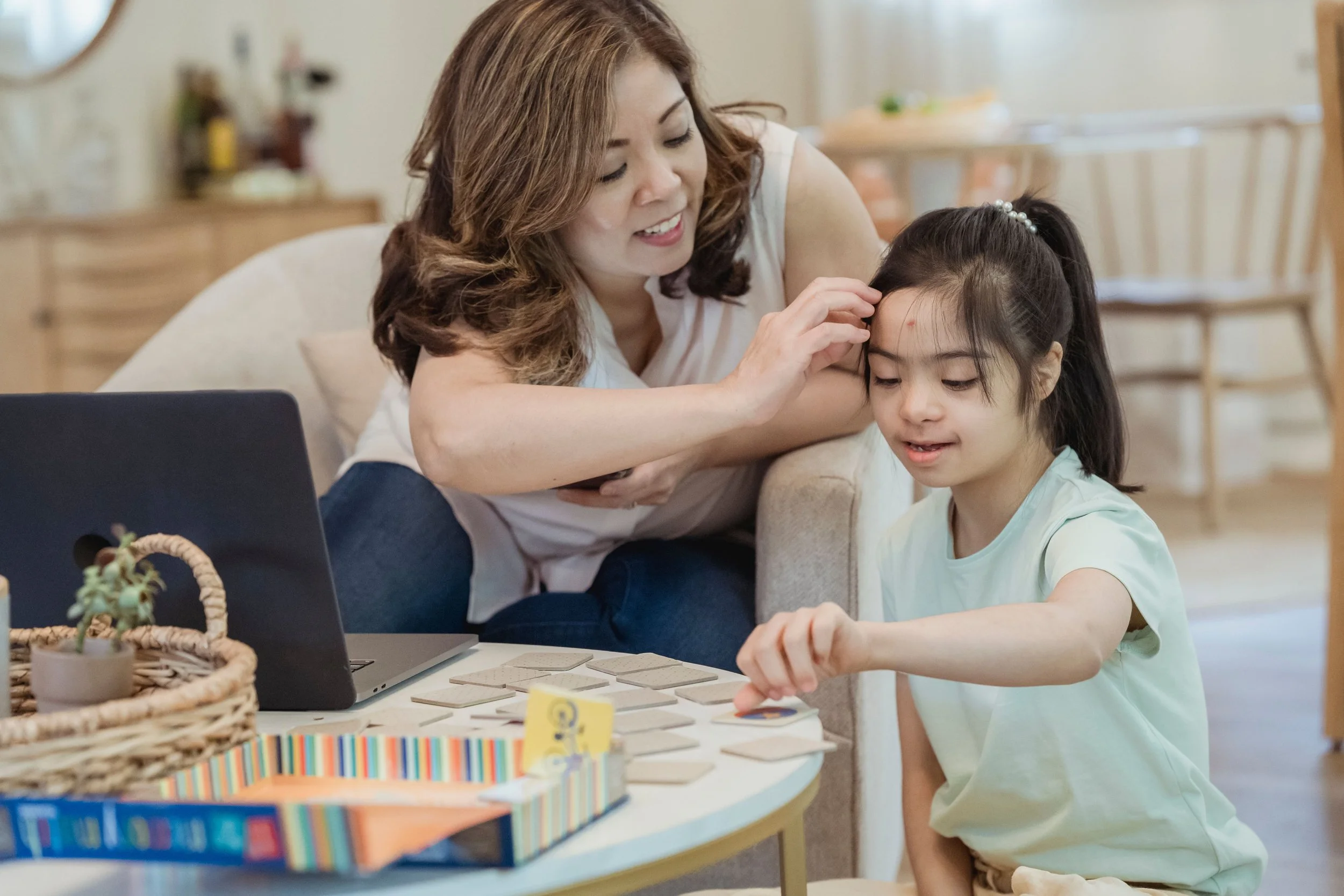
Parents and caregivers play a vital role in a child's development. Family support and parent training programs equip families with practical strategies that can be incorporated into everyday routines and interactions.
When parents understand how to encourage communication, movement, play, and learning at home, opportunities for development extend far beyond therapy sessions. Small, consistent experiences throughout the day can have a powerful impact on a child's progress.
A Positive Start for the Future
Early intervention is not about changing who a child is. It is about providing opportunities to reach their fullest potential. Every child with Down Syndrome has unique strengths, abilities, and interests. With timely support, encouragement, and access to appropriate services, children can develop important skills that enhance their participation, independence, and quality of life.
Starting early allows families and professionals to build strong foundations during a period when the brain is most ready to learn. The benefits can extend well into childhood, adolescence, and adulthood, helping individuals with Down Syndrome thrive in their homes, schools, and communities.
References
Centers for Disease Control and Prevention. (2026). Down Syndrome. Retrieved from https://www.cdc.gov/birth-defects/about/down-syndrome.html
European Down Syndrome Association. (n.d.). Early Intervention and Development. Retrieved from https://edsa.eu/tag/early-intervention/
National Down Syndrome Society. (n.d.). Early Intervention Services for Children with Down Syndrome. Retrieved from https://ndss.org/resources/early-intervention