Filter
- AAC
- Aphasia
- Autism
- Behaviour
- Bilingualism
- Dementia
- Down Syndrome
- Dyslexia
- Early Intervention
- Executive functioning
- Expert Insights
- Feeding
- General Awareness
- Higher Language Skills
- Inclusive Education
- Learning Difficulties
- Neurodegenerative Conditions
- School
- Selective Mutism
- Speech Sound Disorders
- Speech-Language Pathology Basics
- Voice
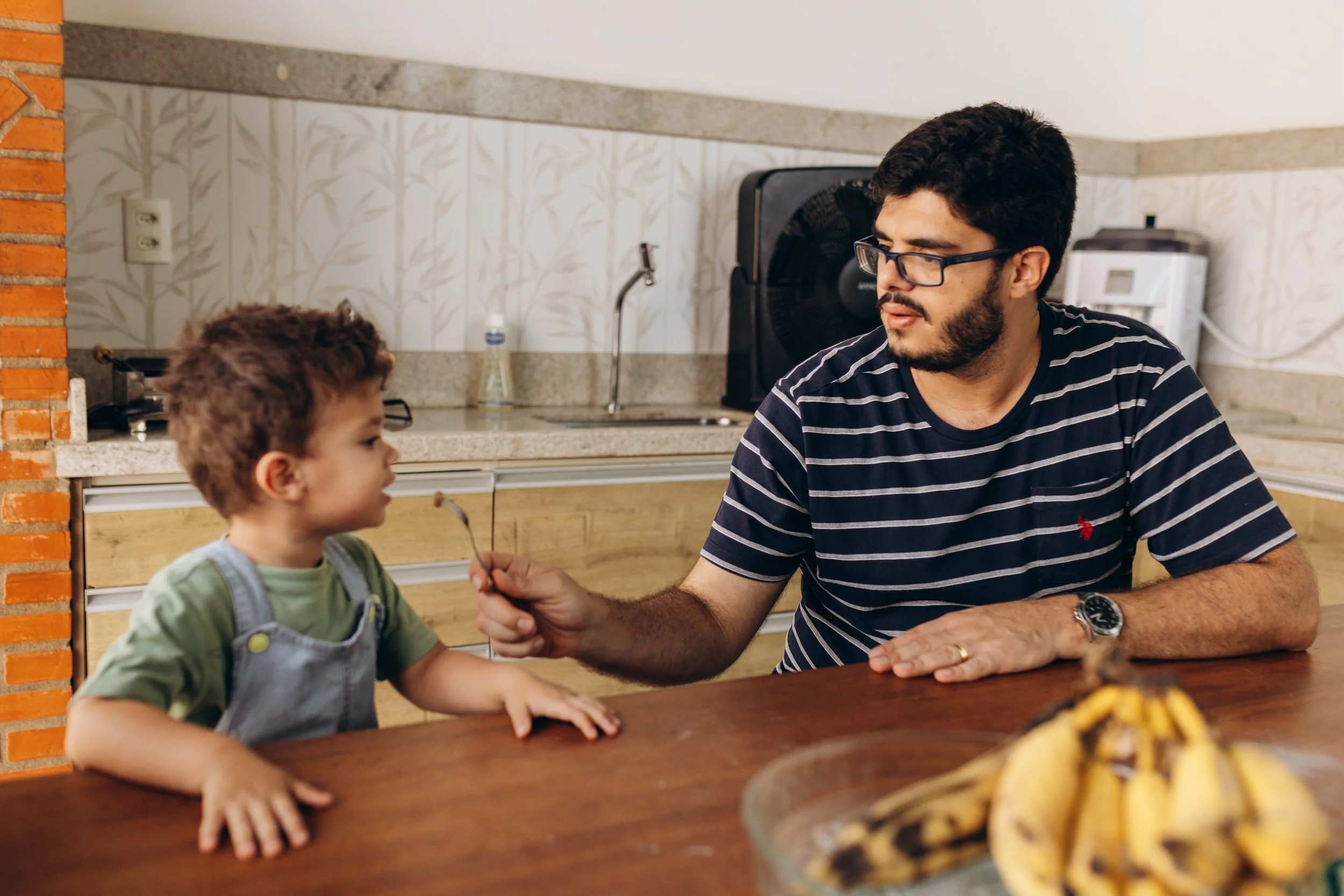
Understanding Functional Communication: Supporting Children to Express Their Needs
Functional communication refers to an individual’s ability to communicate effectively in order to express their feelings, needs, wants and experiences. It begins to emerge from an early age, with children initially communicating through gestures, facial expressions and signs before progressing towards first words, phrases and, eventually, longer sentences.
Every child develops communication skills at their own pace. For children with different abilities, functional communication may emerge differently or develop at a slower pace (California Scottish Rite Foundation, 2026). Regardless of the form it takes, functional communication provides an important foundation for emotional regulation, coping strategies and participation in everyday activities.

Helping Multilingual Children Thrive Through Talk, Play and Connection
Growing up with more than one language is increasingly common in multicultural communities. A multilingual child is someone who understands and/or uses two or more languages, whether spoken, signed or written, regardless of the age at which those languages were acquired (McLeod, 2024).

The IEP Roadmap: Helping Your Child Thrive at School
The start of a new scholastic year brings new teachers, new routines and new expectations and, for many students and their families, a new Individualised Education Plan (IEP).
For parents, the IEP process may initially feel overwhelming. There can be unfamiliar terminology, different professionals around the table and several goals to consider. However, at the heart of an IEP is something quite simple: understanding the individual student and identifying how best to support their learning, participation and development at school.
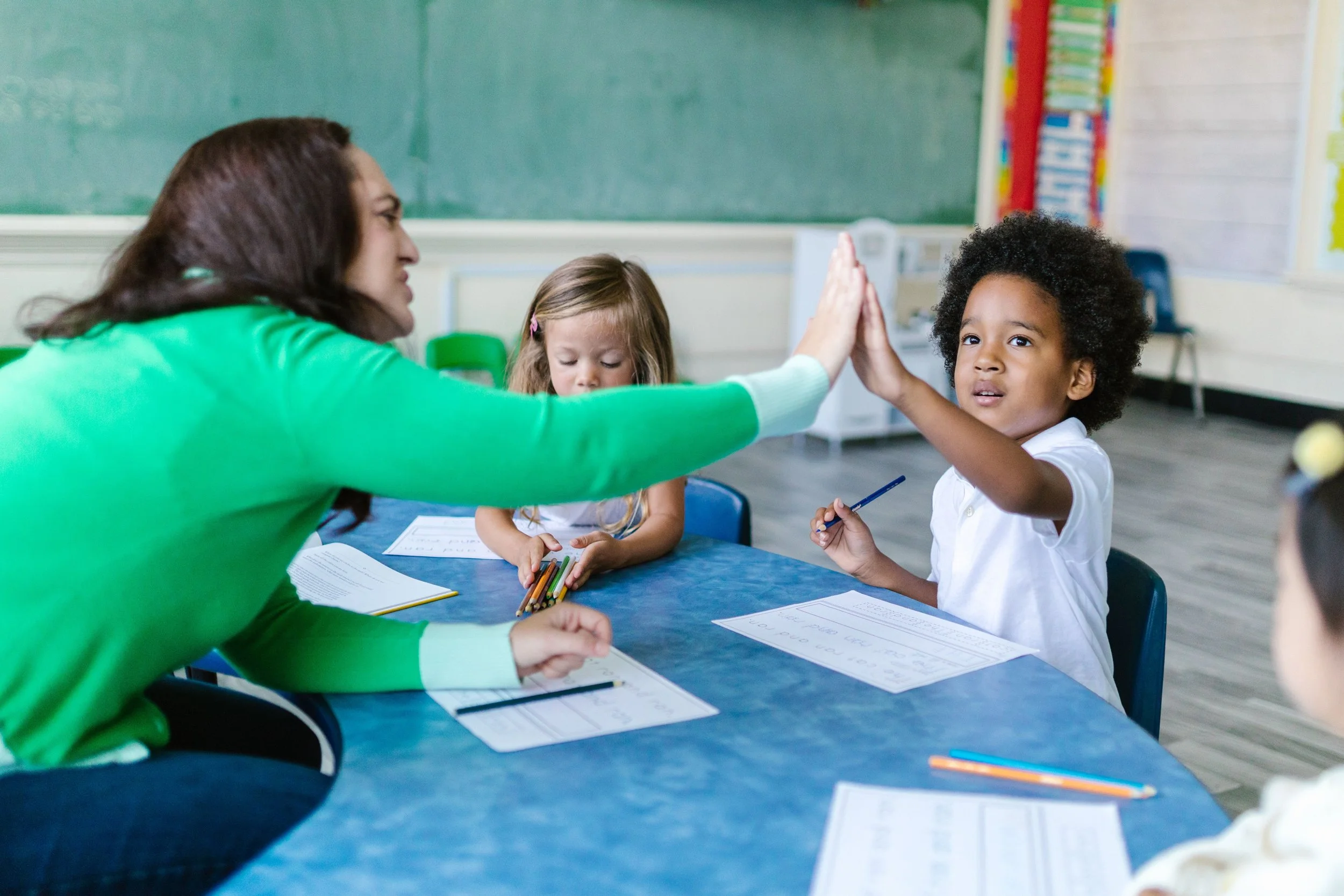
Spot it, Support it: A Teacher’s Guide to Speech, Language and Communication Needs
With the start of a new school year fast approaching, teachers will soon be getting to know a new group of pupils: their personalities, strengths, learning styles and individual needs. Among these, Speech, Language and Communication Needs (SLCN) can sometimes be more difficult to spot. While some communication difficulties may be immediately noticeable, others can be subtle and may initially look like inattention, reluctance to participate or difficulties with learning.

Tell Me a Story! Helping Children Develop Narrative Skills
The ability to tell a story, known as narrative language, is much more than simply talking. It involves organising thoughts, remembering events, using appropriate vocabulary, and putting ideas together in a way that makes sense to the listener. These skills begin to emerge as early as two years of age, and by around five years, many children can retell familiar stories in their own words.
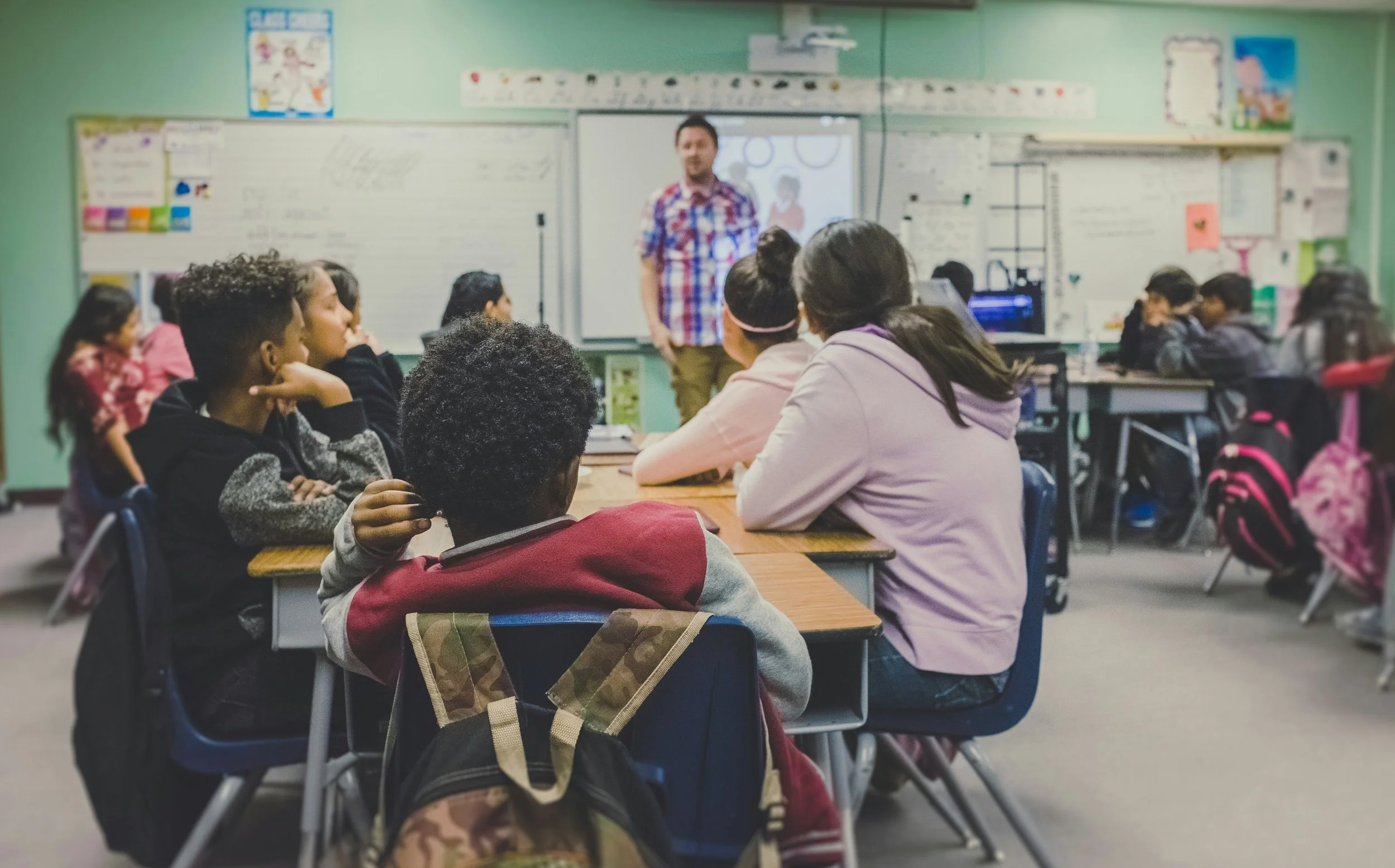
What Makes a Classroom Truly Inclusive? Understanding the Hidden Demands of the School Day
Ultimately, school participation is about more than completing tasks or meeting academic expectations. It is about helping children feel included, valued, and connected within their school community. A sense of belonging is often the foundation upon which learning, relationships, and wellbeing can flourish.