Functional communication refers to an individual’s ability to communicate effectively in order to express their feelings, needs, wants and experiences. It begins to emerge from an early age, with children initially communicating through gestures, facial expressions and signs before progressing towards first words, phrases and, eventually, longer sentences.
Every child develops communication skills at their own pace. For children with different abilities, functional communication may emerge differently or develop at a slower pace (California Scottish Rite Foundation, 2026). Regardless of the form it takes, functional communication provides an important foundation for emotional regulation, coping strategies and participation in everyday activities.
What Can Difficulties With Functional Communication Look Like?
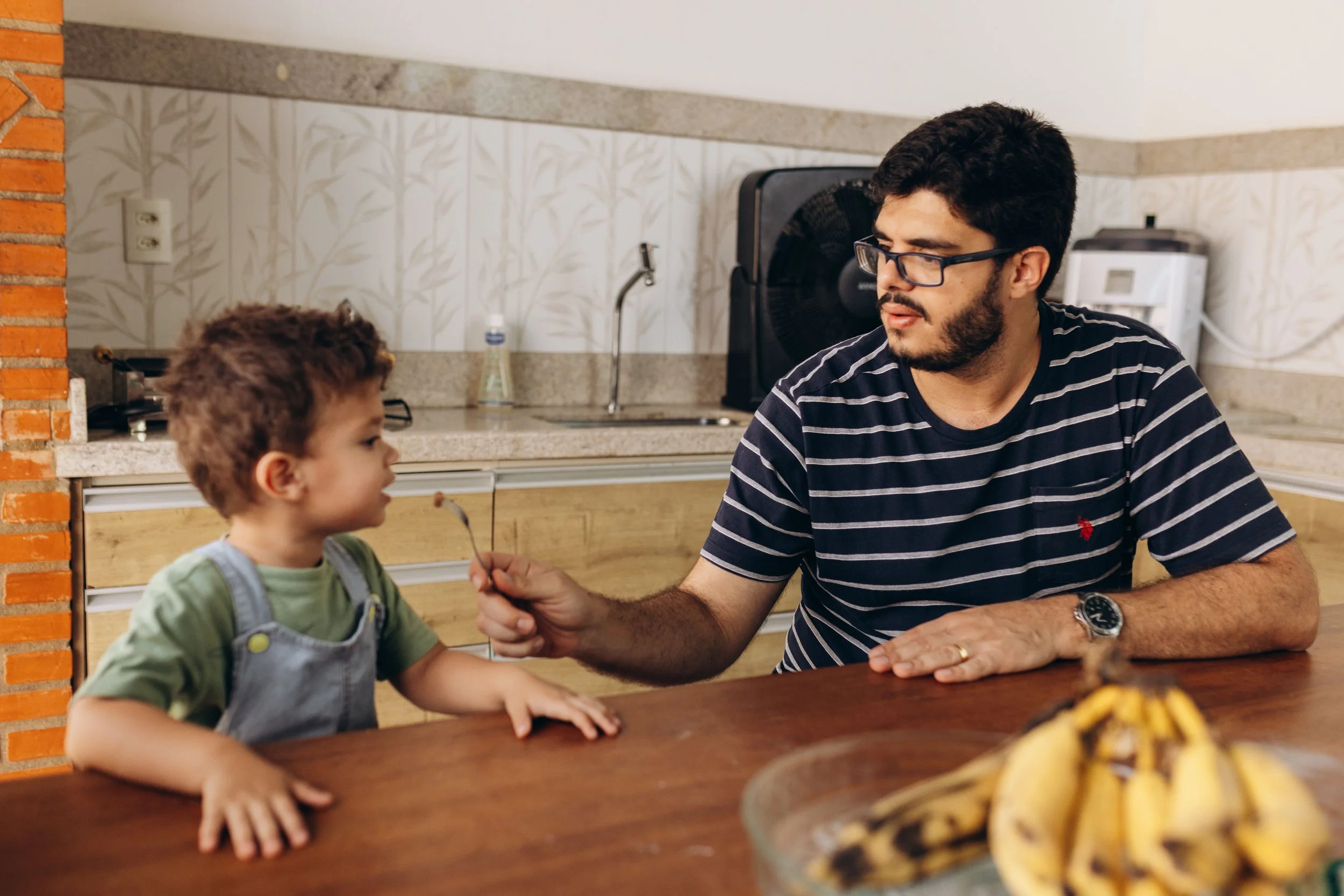
When a child has difficulty communicating their needs, this can sometimes be expressed through behaviour rather than words. Some signs that a child may be experiencing difficulties with functional communication include:
Difficulty asking for help – The child may struggle to communicate when they need assistance.
Difficulty expressing physical needs – Rather than verbalising discomfort or a need to use the bathroom, a child may fidget, become unsettled or have an accident.
Outbursts when needs are unmet – A child may become upset when they are unable to communicate what they want or need.
Challenging behaviours linked to communication frustration – Behaviours may occur when a child does not have an effective way to express themselves (Willard, 2025).
It is important to consider that these behaviours may be a form of communication. Rather than viewing the behaviour in isolation, understanding what the child is trying to communicate can help adults identify more appropriate ways for the child to express their needs.
NEW WH-QUESTIONS RESOURCE
NEW WH-QUESTIONS RESOURCE
How Can We Support Functional Communication?
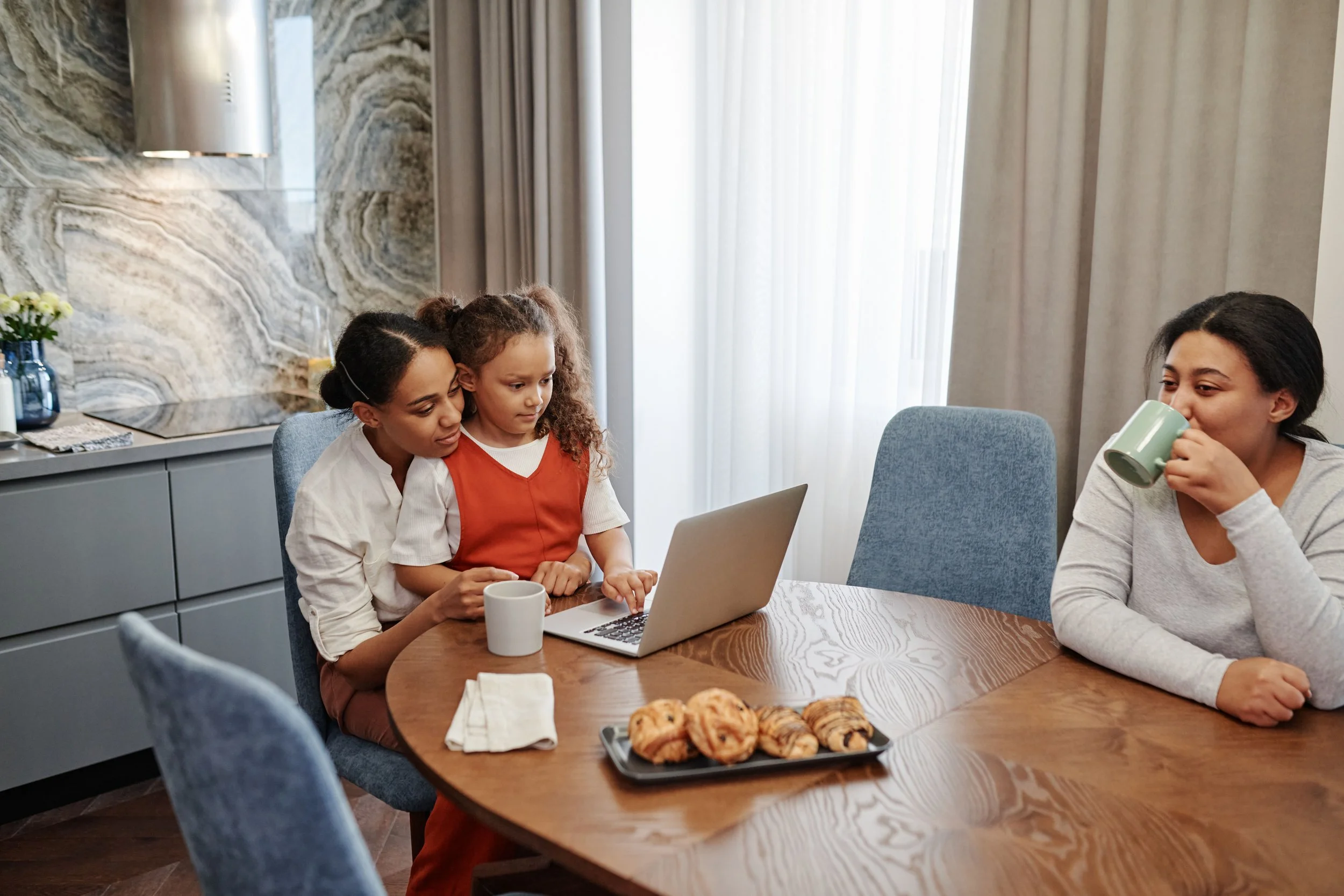
Functional communication can be supported by creating meaningful opportunities for children to communicate throughout their everyday routines. Communication does not need to be limited to formal therapy sessions - everyday interactions at home, school and during extracurricular activities can provide valuable opportunities for practicing social language.
Adults can support children by modelling appropriate language. For example, if a child is whining because they want something, an adult could model a simple phrase such as, “I want the toy, please,” or “Can I have a turn?” The child can then be encouraged to use the model themselves.
As the child becomes more confident, the level of prompting can gradually be reduced. This allows the child to become increasingly independent in communicating their needs.
Another useful strategy is pausing and waiting. After creating an opportunity for communication, allow the child time to respond rather than immediately providing what they need. This expectation can encourage the child to initiate communication independently.
When challenging behaviours occur, adults can also model an alternative way of communicating. For example, rather than simply responding to a child's outburst, an adult can acknowledge the child's need and provide language, a gesture, picture or other communication method that could be used to express it.
The Impact of Functional Communication
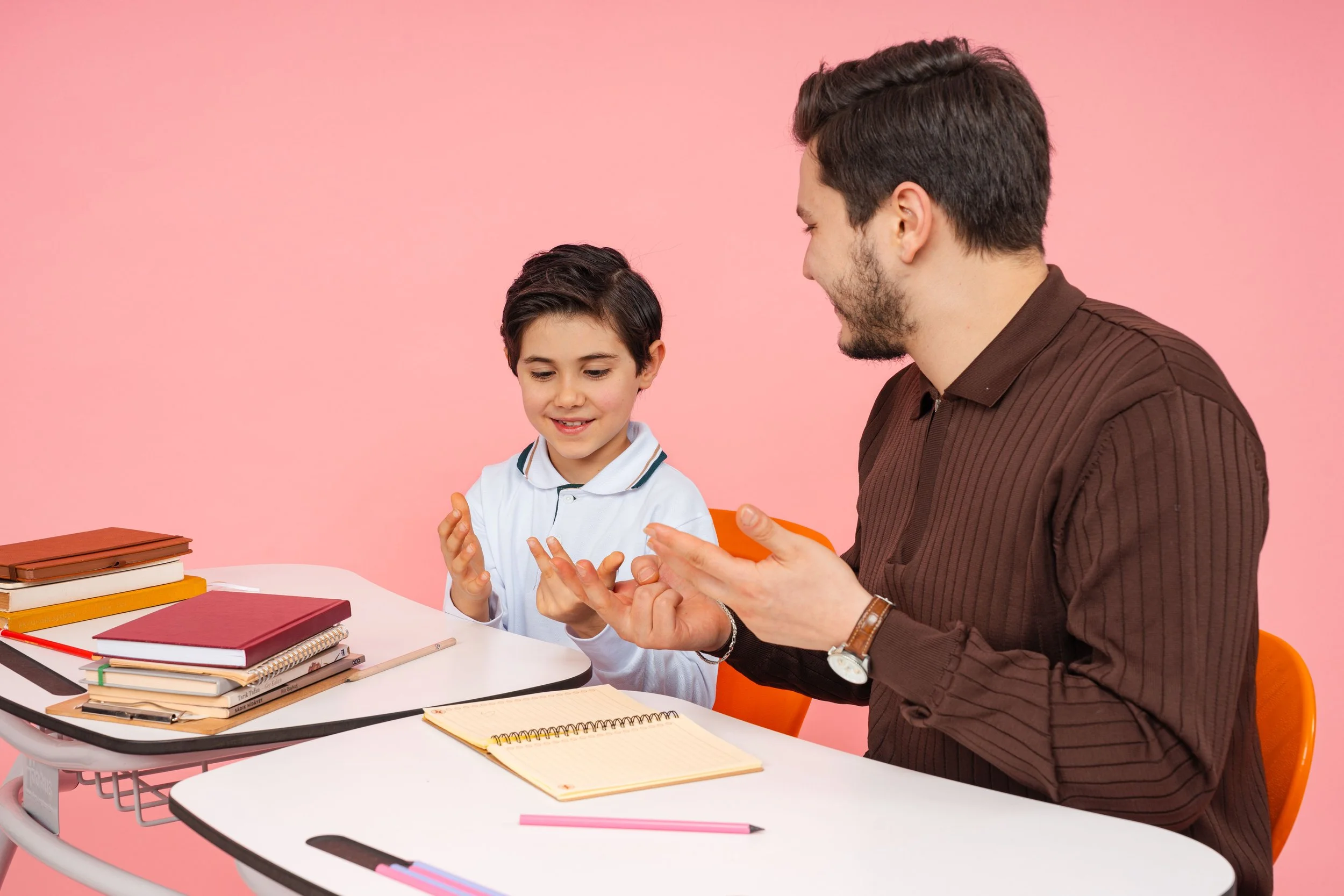
Developing functional communication can have a significant impact on an individual's quality of life. Being able to communicate needs and preferences can promote independence and empowerment, reducing the need for others to interpret non-verbal cues or guess what the individual is trying to communicate.
Effective communication can also support social relationships and participation in everyday activities. As individuals gain more appropriate ways to express their needs, communication-related frustration and associated challenging behaviours may also decrease.
Speech and Language Pathologists (SLPs) can support children and adults in developing functional communication skills according to their individual strengths, needs and goals.
Intervention may focus on developing spoken language, social communication, gestures, visual communication systems or AAC. An SLP can also work with families, caregivers and other professionals to ensure that communication strategies are used consistently across different environments.
Most importantly, functional communication should be individualised and meaningful. The goal is not simply to encourage a person to speak, but to provide them with an effective and accessible way to communicate what they want, need, think and feel.
Supporting Communication Every Day
Functional communication develops through everyday opportunities to communicate. Whether a child is asking for help, choosing an activity, expressing discomfort or interacting with another person, these moments provide valuable opportunities for communication practice.
By modelling language, allowing time to respond, using appropriate visual or AAC supports, and prioritising meaningful communication, adults can help children develop greater independence and confidence in expressing themselves.
Functional communication is ultimately about giving every individual a voice and a way to be understood.
References
California Scottish Rite Foundation. (2024). What is functional communication? https://www.casrf.org/post/what-is-functional-communication
Willard, M. (2025). Functional communication. https://marcywillardphd.com/functional-communication/
Transform Life. (n.d.). Functional communication: What it is and why it matters. https://www.transformlife.com.au/speech-therapy/functional-communication-what-it-is-and-why-it-matters/