Filter
- AAC
- Aphasia
- Autism
- Behaviour
- Bilingualism
- Dementia
- Down Syndrome
- Dyslexia
- Early Intervention
- Expert Insights
- Feeding
- General Awareness
- Higher Language Skills
- Inclusive Education
- Learning Difficulties
- Neurodegenerative Conditions
- School
- Selective Mutism
- Speech Sound Disorders
- Speech-Language Pathology Basics
- Voice

Understanding Feeding Difficulties in Children: A Gentle, Sensory Approach
Feeding difficulties are common in childhood and can range from mild picky eating to significant difficulties with eating, drinking, chewing or swallowing. Some children may eat only a small selection of foods, refuse particular textures or smells, become upset when unfamiliar foods are presented, or struggle to sit comfortably at mealtimes.

Who Does What? Understanding the Speech and Language Therapist's Role in Dyslexia
As awareness of dyslexia continues to grow, so too does the number of professionals involved in supporting children who experience literacy difficulties. Teachers, speech and language therapists (SLTs), educational psychologists and specialist educators all play an important role. However, this multidisciplinary involvement can sometimes lead to confusion about professional boundaries and responsibilities.

The Voice – How it Works and How to Take Care of It
Our voice is critical to our daily lived experiences. We use our voice on a daily basis to share our thoughts, express our feelings, and create connections with people. Our voice also gives information about our gender, age, and cultural background. Often, the quality of our voice affects how other people perceive us.
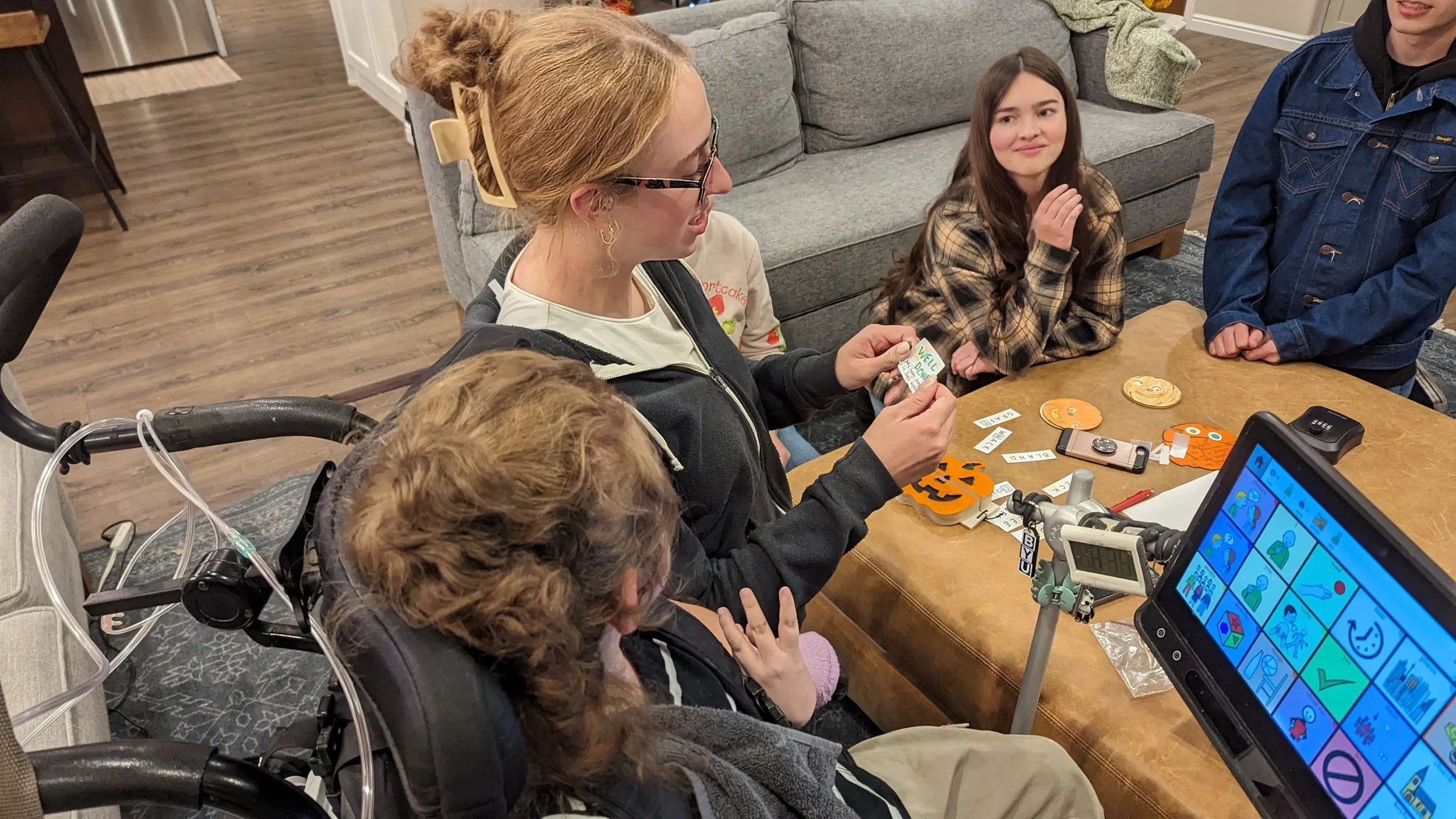
Understanding AAC: More Than a Device
AAC is not about the device. It's about giving people access to language, relationships, opportunities and independence.

Supporting Communication in Dementia: The Role of Speech and Language Pathologists
As the population continues to age, SLPs are increasingly encountering individuals with cognitive decline in their daily practice. Cognitive-communication difficulties are no longer a niche area of speech and language therapy; but they are becoming a significant component of many caseloads, requiring clinicians to develop the knowledge and skills required to support this growing population

Speech Sound Disorders -What to expect?
Before targeting specific sounds, the SLP needs to understand how the child's speech system is working. This may involve listening to the child's speech during play, conversation, or structured activities. The therapist identifies which sounds are difficult, how often errors occur, and whether the difficulties are related to articulation, phonology, or another speech disorder. This information helps guide therapy and ensures that the most appropriate goals are selected.

What Makes a Classroom Truly Inclusive? Understanding the Hidden Demands of the School Day
Ultimately, school participation is about more than completing tasks or meeting academic expectations. It is about helping children feel included, valued, and connected within their school community. A sense of belonging is often the foundation upon which learning, relationships, and wellbeing can flourish.