When I told my colleagues that I was planning to pursue a Master's degree in Ageing and Dementia Studies, I was met with a fair amount of scepticism.
"How can you provide speech therapy to people with dementia?" some asked. "What is there to do with them? Shouldn't you choose another area?"
That was back in 2016.
A decade later, I believe we have come a long way. Attitudes towards people living with dementia have gradually shifted, and so has our understanding of the role that speech and language pathologists (SLPs) can play in their care. Rather than viewing dementia as a condition where little can be done, there is growing recognition that timely intervention, support, and communication-focused strategies can make a meaningful difference to quality of life.
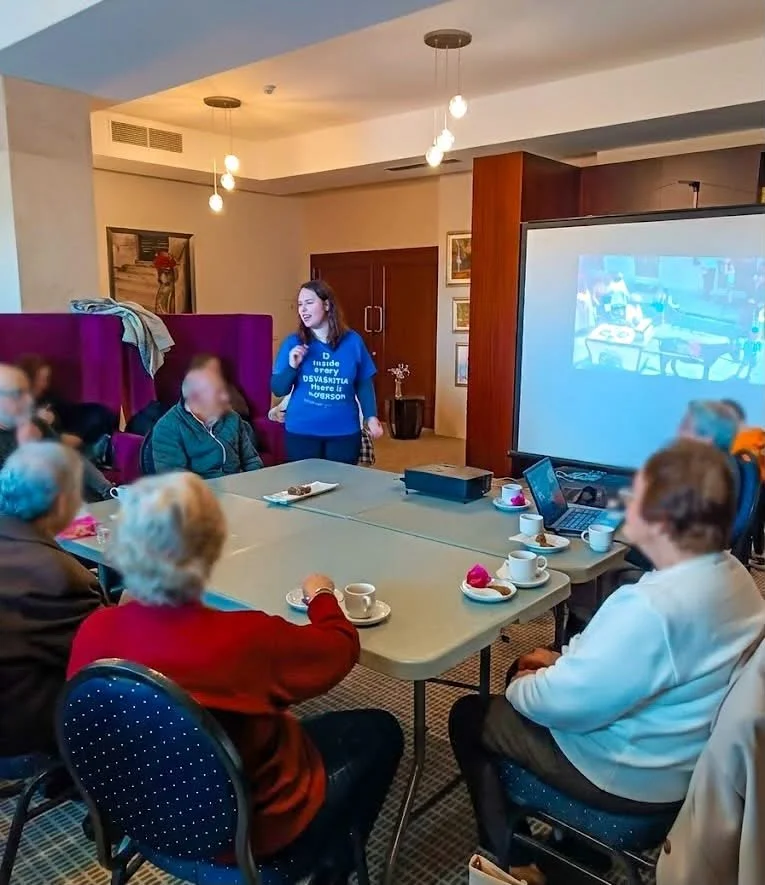
As the population continues to age, SLPs are increasingly encountering individuals with cognitive decline in their daily practice. Cognitive-communication difficulties are no longer a niche area of speech and language therapy; but they are becoming a significant component of many caseloads, requiring clinicians to develop the knowledge and skills required to support this growing population.
Looking closer to home, the need for such services is evident. In Malta, it is estimated that approximately 9,000 people are currently living with dementia. However, the true figure may be even higher, as stigma and underdiagnosis can prevent individuals and families from seeking help or obtaining a formal diagnosis. These numbers remind us that dementia is not a distant issue affecting only a small segment of society. It is a reality that touches thousands of individuals, families, caregivers, and healthcare professionals across the country.
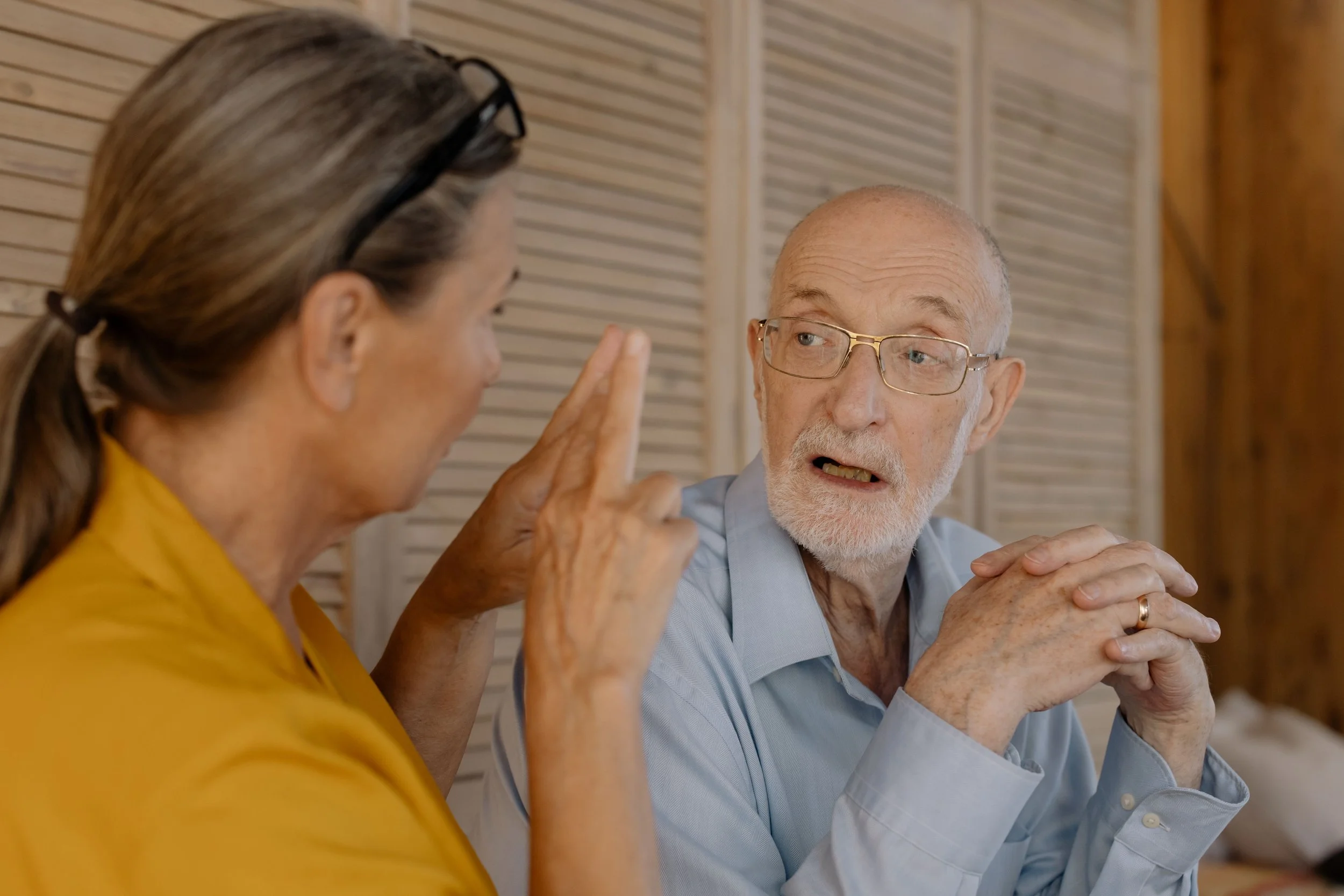
Dementia is an umbrella termused to describe a group of progressive neurological conditions that affect memory, thinking, behaviour, and communication. It is not a single disease but rather a syndrome that includes several different disorders. The most common is Alzheimer's disease, accounting for around 70% of cases, followed by vascular dementia, dementia with Lewy bodies, and frontotemporal dementia. While each type presents differently, communication difficulties are a common feature that can significantly affect daily life and relationships.
Research has identified both non-modifiable and modifiable risk factors for dementia. Non-modifiable factors include age, genetics, and family history. Modifiable factors, however, span a wide range of health and lifestyle domains, including smoking, excessive alcohol consumption, physical inactivity, obesity, hypertension, diabetes, poor diet, social isolation, hearing loss, depression, and reduced cognitive stimulation. As there is currently no cure for dementia, addressing these modifiable factors remains one of the most important strategies for reducing risk and promoting brain health across the lifespan.
New Resource Out Now
Click here
New Resource Out Now Click here
The Role of SLPs with Individuals with Dementia
SLPs play a vital role in supporting both communication and swallowing throughout the dementia journey. As the condition progresses, individuals may experience increasing difficulties with memory, word-finding, understanding language, following conversations, and expressing themselves effectively. These challenges can lead to frustration, social withdrawal, and reduced participation in everyday activities.
Our goal is not simply to address impairments but to maximise participation, preserve meaningful communication, and support quality of life. SLPs develop personalised strategies that build on an individual's strengths and adapt communication environments to reduce barriers. Equally important is working closely with family members, caregivers, and healthcare staff to provide education and practical communication techniques. Simple changes, such as using clear language, allowing extra time for responses, maintaining eye contact, and supporting verbal messages with gestures or visual cues, can make interactions more successful and less stressful.

For people living with dementia, SLPs may also recommend a range of evidence-based, non-pharmacological interventions designed to support communication, cognition, and overall well-being. These include approaches such as reminiscence therapy, the toolbox technique, and Cognitive Stimulation Therapy. Such interventions encourage meaningful conversation, stimulate memory and language skills, promote social engagement, and help individuals maintain a sense of identity and connection with others.
Ultimately, dementia care is not only about managing decline. It is about recognising the person behind the diagnosis and supporting them to live as well as possible for as long as possible. Communication is fundamental to human connection, and SLPs have a unique role in helping people with dementia maintain that connection, preserve their dignity, and continue participating in the relationships and activities that matter most to them.