Understanding AAC: More Than a Device
AAC stands for Augmentative and Alternative Communication. It describes the tools and strategies used to support people who have little or no speech. AAC can be used instead of speech (alternative communication) or alongside speech (augmentative communication). It can be as simple as gestures and communication boards or as advanced as a speech-generating device controlled by touch, switches or eye gaze. Many AAC systems use symbols to represent words and ideas, although some people communicate using text, spelling or a combination of both.
Who Uses AAC?
AAC can support people of all ages and abilities.
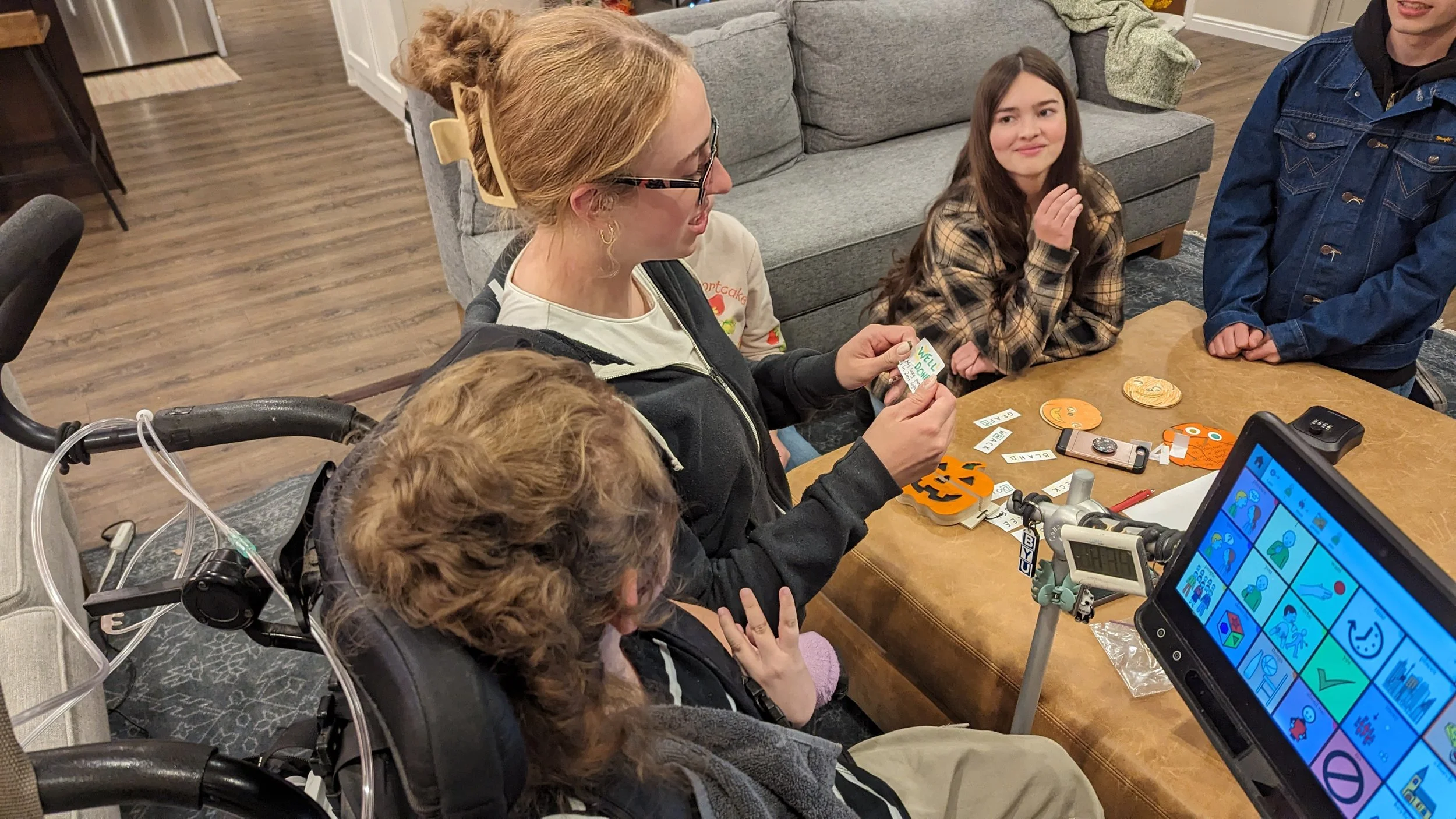
Photo courtesy of Brian Whitmer via OpenAAC
Some people use AAC because they have a lifelong condition such as cerebral palsy, autism or a learning disability. Others may acquire communication difficulties following a stroke, brain injury or neurological condition. Some people rely on AAC all the time, while others may only need support in certain situations or for a limited period.
The common factor is that AAC provides another way to communicate thoughts, needs, opinions and feelings.
Types of AAC
There is no single AAC solution that works for everyone. The best option depends on the individual and their communication needs.
Unaided AAC includes facial expressions, gestures, eye gaze and signing. These methods require no equipment and are often used alongside other forms of communication.
Low-tech AAC includes communication books, boards and symbol cards. These solutions don't require batteries or electricity and can be highly effective when used consistently.
Mid-tech AAC includes devices with recorded speech output, ranging from simple single-message devices through to larger communication aids with multiple messages.
High-tech AAC includes dedicated speech-generating devices and AAC apps. These systems provide access to large vocabularies, dynamic screens and synthetic voices, allowing users to create their own messages and participate fully across different environments.
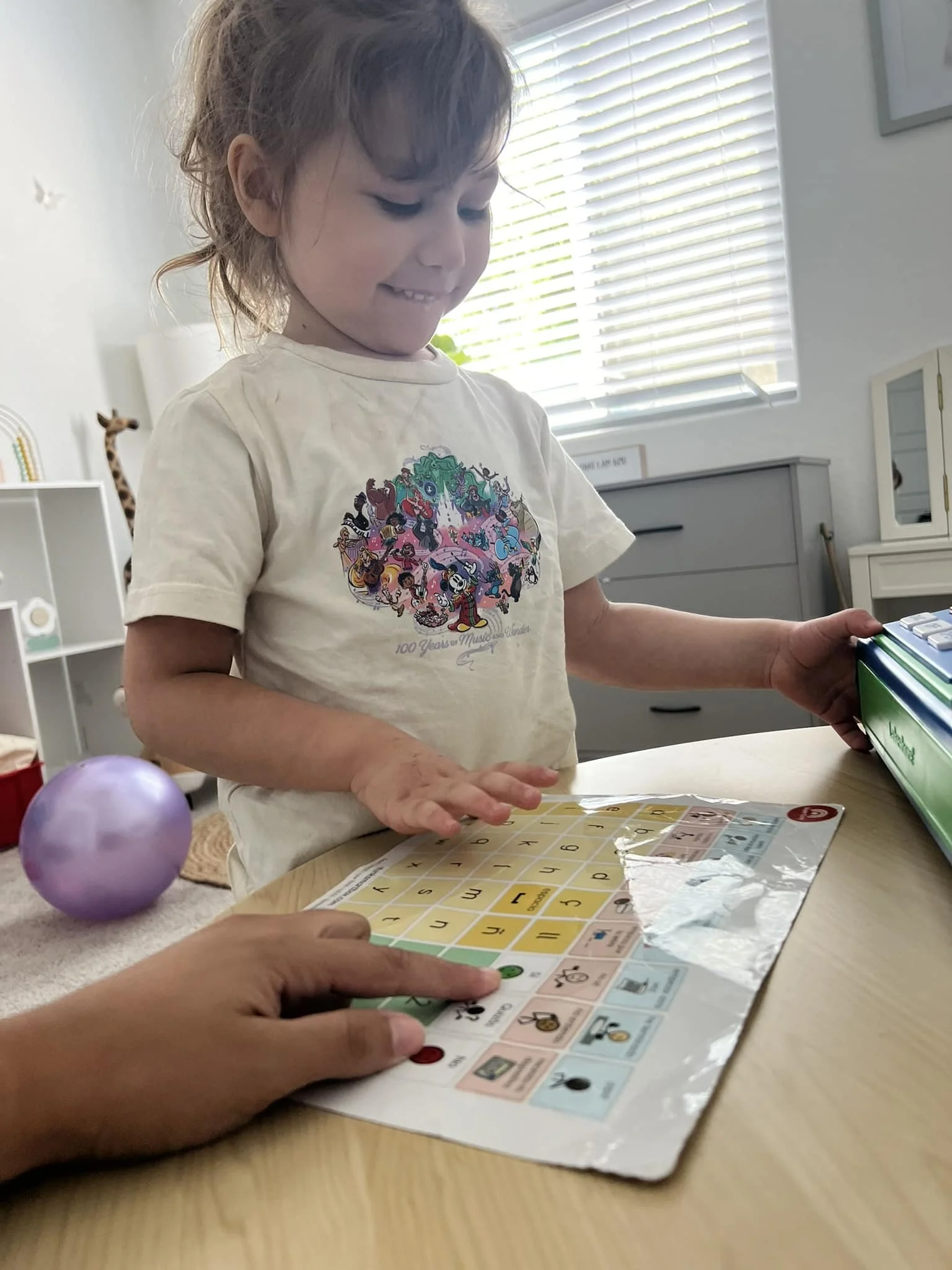
Photo courtesy of Shell Bell via OpenAAC
Many people use a combination of AAC approaches depending on the situation.
Choosing AAC
Choosing AAC is about finding the right fit for the individual.
Considerations include how the person will access the system, where it will be used, what they want to communicate and how their needs may change over time. Successful AAC assessment involves the individual, their family and the professionals supporting them working together to identify the most appropriate solution. Whenever possible, trialling different AAC options can help identify what works best.
Making AAC Successful
One of the biggest misconceptions about AAC is that communication happens as soon as a device is switched on. In reality, learning AAC is a journey. A key part of successful AAC implementation is modelling. This means communication partners using the AAC system themselves while speaking naturally. By seeing AAC used regularly in meaningful situations, people begin to understand how words and messages can be used.
Families, teachers, therapists and support staff all play an important role in creating opportunities for communication throughout the day. Confidence grows over time, and it is important to remember that progress looks different for everyone.
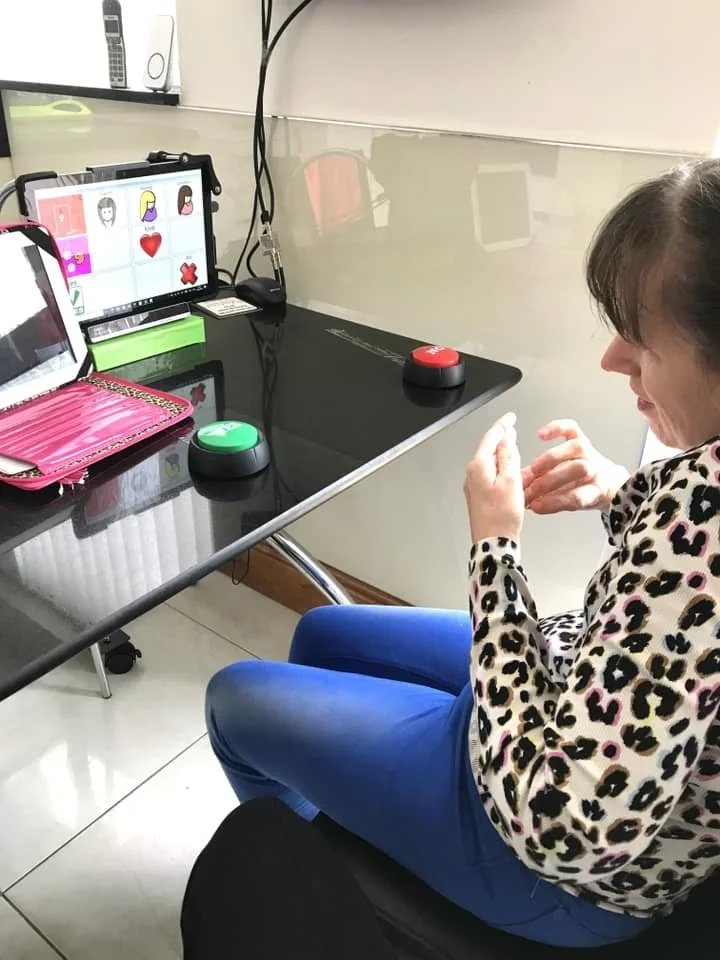
Photo courtesy of Colette O'Loughlin via OpenAAC
The Impact of AAC
Effective communication changes lives. AAC can support participation in education, employment, relationships and community life. It helps people express their personality, make choices, share opinions and advocate for themselves.
One person who understands this firsthand is Abdi Omar, who has cerebral palsy and uses a high-tech AAC device to communicate. Through AAC, Abdi runs his own mentoring business, supports more than 85 AAC users each week, trains professionals and speaks at conferences across the UK.
Reflecting on the impact AAC has had on his life, Abdi says:
"My AAC device has given me more independence. I run my own business, manage my email, mentor AAC users and speak at conferences. Independence isn't about doing everything alone; it's about having control over my life, my voice and my future."
AAC: More Than a Device
AAC is not about the device. It's about giving people access to language, relationships, opportunities and independence.
Whether that's through a communication board, a book of symbols, signing or a speech-generating device, the goal remains the same: ensuring every person has a reliable way to express who they are and what matters to them. At its heart, AAC is about making sure everyone has a voice and the opportunity to be heard.