What Makes a Classroom Truly Inclusive? Understanding the Hidden Demands of the School Day
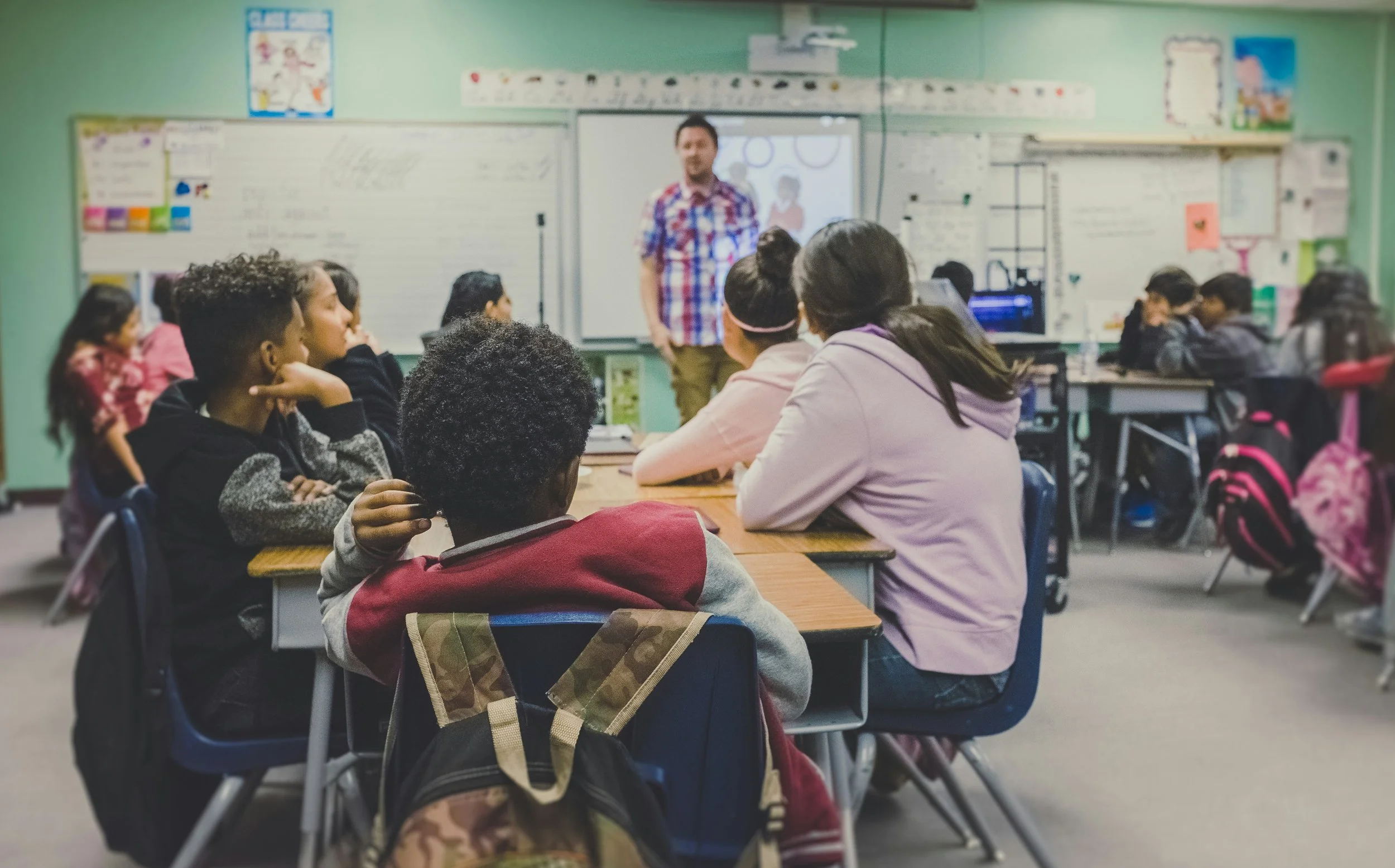
When we think about school success, we often think about reading, writing, and academic achievement. Yet for many children, the greatest challenges of the school day are not academic at all. Navigating classroom routines, understanding instructions, managing emotions, participating in social interactions, and adapting to constant transitions require a complex set of skills that often go unnoticed. These hidden demands can significantly impact a child's ability to learn, participate, and experience a sense of belonging at school.
What is sometimes overlooked is that success at school depends on far more than academic abilities. Throughout the school day, children are constantly expected to navigate a range of hidden demands that support learning, participation, and engagement.

These demands include communication skills, such as understanding instructions, answering questions, expressing ideas, and participating in classroom discussions, and understanding social communication within different contexts. They also involve self-regulation skills, including managing frustration, coping with unexpected changes, sustaining attention, and adapting to different environments and expectations.
Social participation is another essential component of school life. Children are expected to build relationships, develop and maintain friendships, collaborate with peers, take turns, and engage in group activities. Alongside these skills, executive functions play a critical role in daily school success. Skills such as working memory, inhibitory control, cognitive flexibility, planning, self-monitoring, and metacognition help children organize their actions, manage tasks, and respond effectively to the challenges of the school environment.
When the focus is placed primarily on academic performance, these underlying demands can easily be overlooked. Yet they are often the very skills that determine whether a child can fully participate, learn, and feel a sense of belonging within the school community.
Why are these demands often overlooked?
One reason is that the hidden demands of the school day can be difficult to recognize because they are often reflected through observable behaviours rather than through the underlying skills that support successful participation.
When a child experiences difficulties at school, adults naturally describe what they observe: "He struggles to pay attention," "She does not participate in group activities," or "He avoids certain tasks." While these observations are important, they do not always explain the factors contributing to the difficulty.
For example, a child who appears inattentive may be working hard to process verbal information, manage sensory input, or sustain the executive functioning skills needed to follow a lesson. Similarly, a child who is reluctant to participate may be feeling overwhelmed by communication demands, social expectations, or challenges with self-regulation.
Looking Beyond Behaviour
By moving beyond the behaviour itself and exploring what may be making a task difficult, we can gain a deeper understanding of a child's needs and identify more meaningful ways to support participation. Behaviour is often the most visible part of a challenge, but it is rarely the whole story.
Consider a child who consistently avoids group activities. At first glance, it may appear that the child is uninterested or unwilling to participate. However, a closer look might reveal difficulties understanding verbal instructions, managing sensory input, navigating social expectations, or regulating emotions in a busy classroom environment. By understanding the factors contributing to the difficulty, adults can provide more effective support and create opportunities for meaningful participation.
Why OT and SLT Perspectives Matter
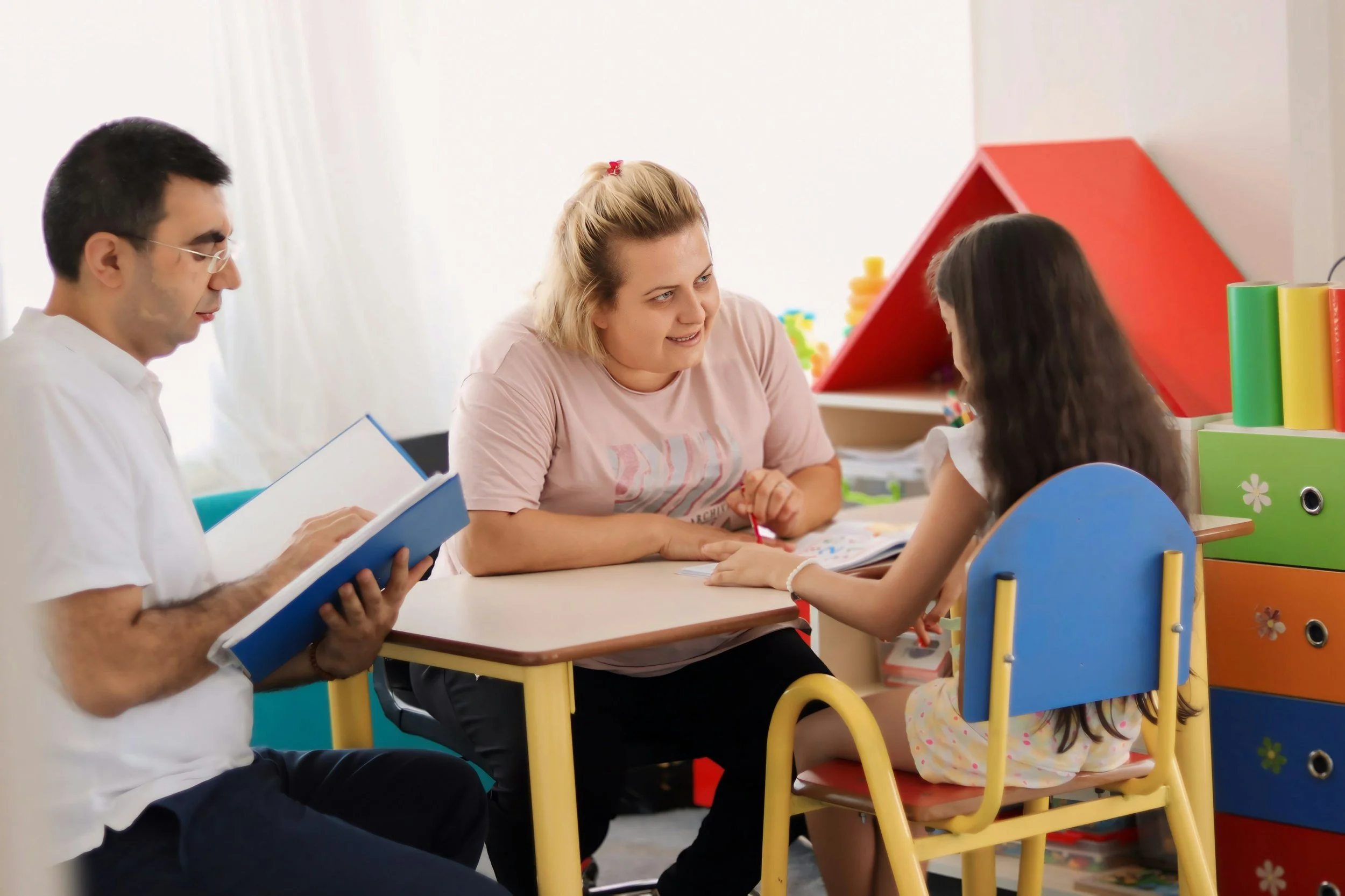
This is where collaboration between professionals becomes particularly valuable. Different professionals bring different perspectives, helping us develop a more complete understanding of a child's experience at school. Occupational therapists (OTs) and speech and language therapists (SLTs), for example, often work toward a shared goal: supporting meaningful participation in everyday school life.
From an occupational therapy perspective, participation extends beyond academic achievement. It includes a child's ability to learn, interact with peers, engage in play, manage daily school routines, move independently throughout the school environment, communicate effectively, and develop a sense of belonging within the school community.
The perspectives of OTs and SLTs are often complementary. When a child struggles to follow instructions, an occupational therapist may explore factors such as attention, sensory processing, regulation, or environmental demands, while a speech and language therapist may focus on language comprehension and communication skills. Likewise, when a child experiences difficulties participating in group work, an OT may consider sensory needs, task engagement, and social participation, while an SLT may focus on social communication, pragmatic language, and conversational skills.
By working collaboratively, OTs and SLTs can develop a more holistic understanding of the child's strengths and challenges. Together, they can help identify barriers to participation and create opportunities for children to engage more fully in learning, relationships, and everyday school experiences. Understanding these hidden demands is an important first step. The next question is: how can therapists, educators, and families work together to support children in navigating these challenges and thriving at school?

This perspective is also reflected in current research. A scoping review by Meuser and colleagues (2023) highlighted the importance of shifting from child-focused approaches toward environment-focused practices that support participation for all students. The authors found that interventions targeting the physical and social school environment, particularly those developed collaboratively between educators and allied health professionals, can play an important role in reducing barriers and promoting meaningful participation in mainstream education.
Ultimately, school participation is about more than completing tasks or meeting academic expectations. It is about helping children feel included, valued, and connected within their school community. A sense of belonging is often the foundation upon which learning, relationships, and wellbeing can flourish.
Inclusive classrooms are not built by focusing on academic performance alone. They are built by recognising the hidden demands children face every day and creating environments where all learners can participate, communicate, and belong.
Reference:
Meuser, S., Piskur, B., Hennissen, P., & Dolmans, D. (2023). Targeting the school environment to enable participation: A scoping review. Scandinavian Journal of Occupational Therapy, 30(3), 298–310. https://doi.org/10.1080/11038128.2022.2124190