Understanding Feeding Difficulties in Children: A Gentle, Sensory Approach
Feeding difficulties are common in childhood and can range from mild picky eating to significant difficulties with eating, drinking, chewing or swallowing. Some children may eat only a small selection of foods, refuse particular textures or smells, become upset when unfamiliar foods are presented, or struggle to sit comfortably at mealtimes. These difficulties can be stressful for both children and families. Importantly, feeding challenges are not always simply a matter of a child “being fussy.” Paediatric feeding difficulties can involve medical, nutritional, sensory, oral-motor, learning and environmental factors.
One approach used by feeding professionals is the SOS (Sequential Oral Sensory) Approach to Feeding. SOS takes a whole-child perspective and considers why a child may be finding eating difficult rather than focusing only on what the child refuses to eat. The approach considers areas such as sensory processing, oral-motor skills, development, learning, nutrition, medical factors and the mealtime environment (Toomey & Associates, Inc., 2024).

Building comfort before expecting eating
A key idea associated with SOS is that eating is a learning process. For some children, simply having an unfamiliar food nearby can be challenging. Instead of immediately expecting a child to taste or eat it, parents can work through smaller steps.
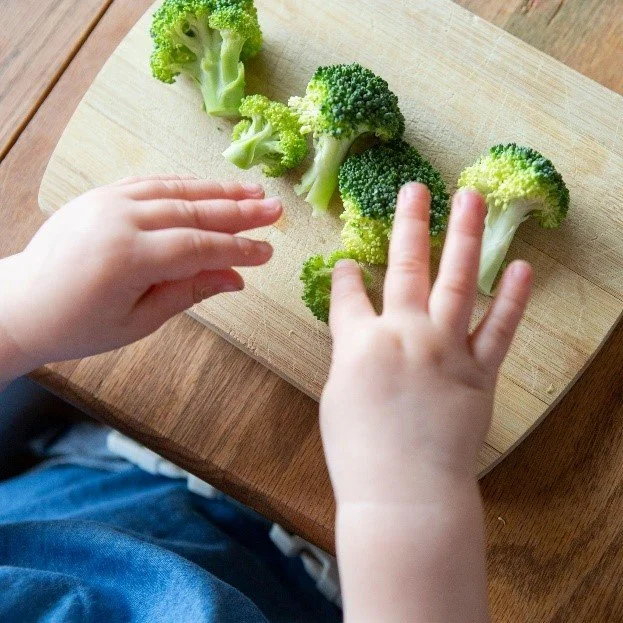
For example, a child might first tolerate having the food on the table, then look at it, touch it, smell it, interact with it and eventually taste it. These steps can help make unfamiliar foods feel less threatening. The goal is to build positive experiences and confidence rather than turning every meal into a battle.
Parents can also use playful exploration. A child might squash a piece of banana, move food around the plate, smell a strawberry or use a spoon to touch a new food. Although these activities may not look like “eating,” they can be useful opportunities for becoming familiar with food.
Keep mealtimes relaxed and pressure-free
Pressure can make an already difficult situation more stressful. Try to avoid forcing a child to take a bite, threatening consequences for refusing food or making them finish everything on their plate. Instead, offer opportunities to explore food while allowing the child to decide whether they are ready to taste it.
It can also help to praise interaction and effort, rather than simply praising eating. Saying, “You touched the cucumber!” or “You smelled it - that was brave,” acknowledges progress without creating pressure to take the next step immediately.
Start with familiar foods
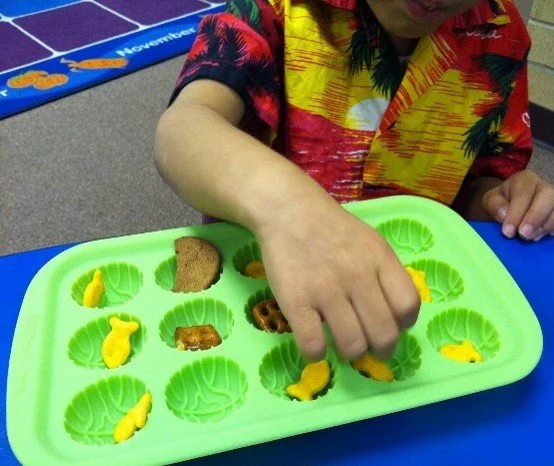
When introducing something new, consider placing it alongside a food the child already accepts. This can make the meal feel more predictable. You might offer a familiar cracker alongside a new vegetable, or a preferred pasta alongside a different shape or brand. Gradual changes can also be useful. For example, if a child accepts one particular type of cracker, introducing another cracker with a similar shape or texture may be easier than introducing a completely unfamiliar food.
New WH Questions Bundle
New WH Questions Bundle
Think about the sensory experience
Children may react strongly to the texture, temperature, smell, appearance or sound of foods. A child who refuses mashed potato may not be rejecting potatoes themselves -the texture may simply feel uncomfortable. Paying attention to these patterns can help caregivers understand what makes particular foods difficult. The SOS approach encourages professionals to consider sensory and oral-motor factors alongside nutritional and medical needs rather than viewing food refusal as a behaviour in isolation.
When to seek professional help
Persistent feeding difficulties deserve attention, particularly when a child has a very limited diet, struggles to gain weight, frequently gags or vomits, coughs or chokes while eating or has difficulty chewing. These can be signs of a paediatric feeding disorder and should be discussed with a Feeding Therapist (ASHA, 2023).
Ultimately, supporting a child with feeding difficulties is about building trust, skills and confidence around food. Progress may be gradual, and success does not always mean eating a new food straight away. Developing the ability to tolerate, explore and interact positively with food can be an important step towards becoming a more confident eater. ( Toomey and Ross, 2011)
References
American Speech-Language-Hearing Association. (2023, May 17). ASHA encourages families to learn the signs of pediatric feeding disorder. ASHA
Toomey, K. A., & Ross, E. S. (2011). SOS approach to feeding. Perspectives on Swallowing and Swallowing Disorders (Dysphagia), 20(3), 82–87. https://doi.org/10.1044/sasd20.3.82
Toomey & Associates, Inc. (2024). Introduction to the SOS approach to feeding program. SOS Approach to Feeding