Speech Sound Disorders -What to expect?
If your child has recently started speech therapy for a Speech Sound Disorder (SSD), you may be wondering what actually happens during a session. Do children sit at a table completing worksheets? Is it all drills and repetition? The answer is usually much more fun than many parents expect!
Speech and Language Pathologists (SLPs) carefully plan sessions to help children improve their speech skills while keeping activities engaging, motivating, and appropriate for their age. Every child is different, so therapy is always tailored to their individual needs and goals.
Building a Positive Relationship
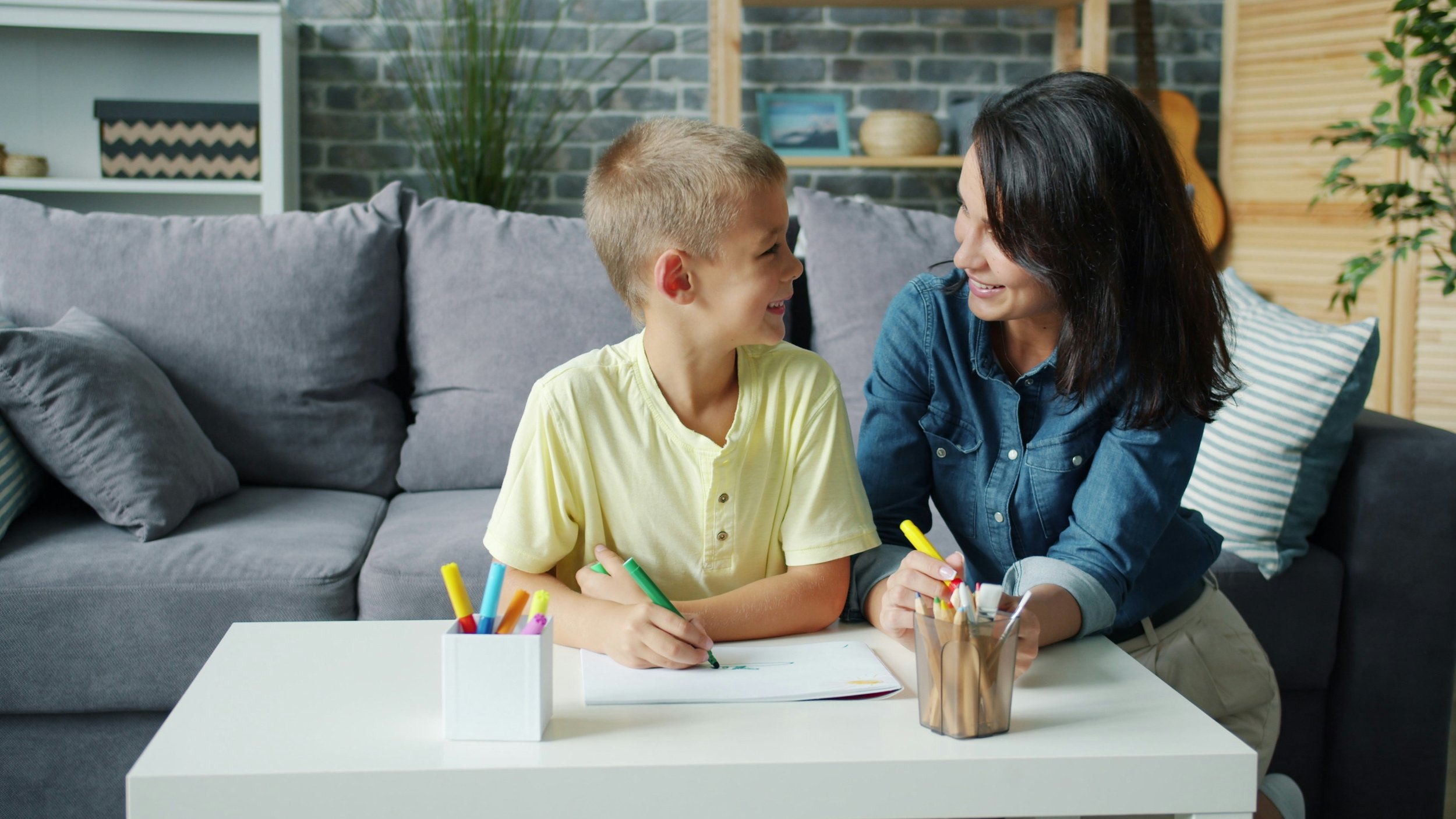
One of the first things an SLP focuses on is building a strong connection with the child. Children learn best when they feel comfortable, supported, and confident. Through play, conversation, and shared activities, the therapist creates a positive environment where the child feels safe to practice new skills.
This trusting relationship helps children become more willing to communicate, try new tasks, and persevere even when activities feel challenging. It also allows the therapist to better understand the child's interests, strengths, and individual needs, making sessions more engaging and meaningful. Over time, this strong foundation can have a significant impact on both the child's progress and their confidence in communicating beyond the therapy room.
Assessment and Goals
Before targeting specific sounds, the SLP needs to understand how the child's speech system is working. This may involve listening to the child's speech during play, conversation, or structured activities. The therapist identifies which sounds are difficult, how often errors occur, and whether the difficulties are related to articulation, phonology, or another speech disorder. This information helps guide therapy and ensures that the most appropriate goals are selected.
A thorough assessment might also consider other areas of communication, including the child's receptive and expressive language skills, as speech sound difficulties can sometimes occur alongside language difficulties. Looking at the child's communication as a whole helps ensure that no underlying concerns are missed and that therapy targets the areas that will have the greatest impact. This information helps guide therapy and ensures that the most appropriate goals are selected.
NEW RESORUCES OUT NOW
-
CLICK ME -
NEW RESORUCES OUT NOW - CLICK ME -
Intervention
Once goals have been identified, therapy focuses on helping the child learn and practice speech sounds. Depending on the child's needs, the therapist may teach them where to place their tongue, how to use their lips, or how to coordinate different movements to produce sounds accurately (articulation). Children often practice sounds in a gradual way, starting with individual sounds, moving to words, then phrases, sentences, and eventually everyday conversation.
If the child presents with a phonological delay or disorder, therapy is aimed at decreasing error patterns and help the child develop better understanding of phonological rules of a given language.
Learning Through Play
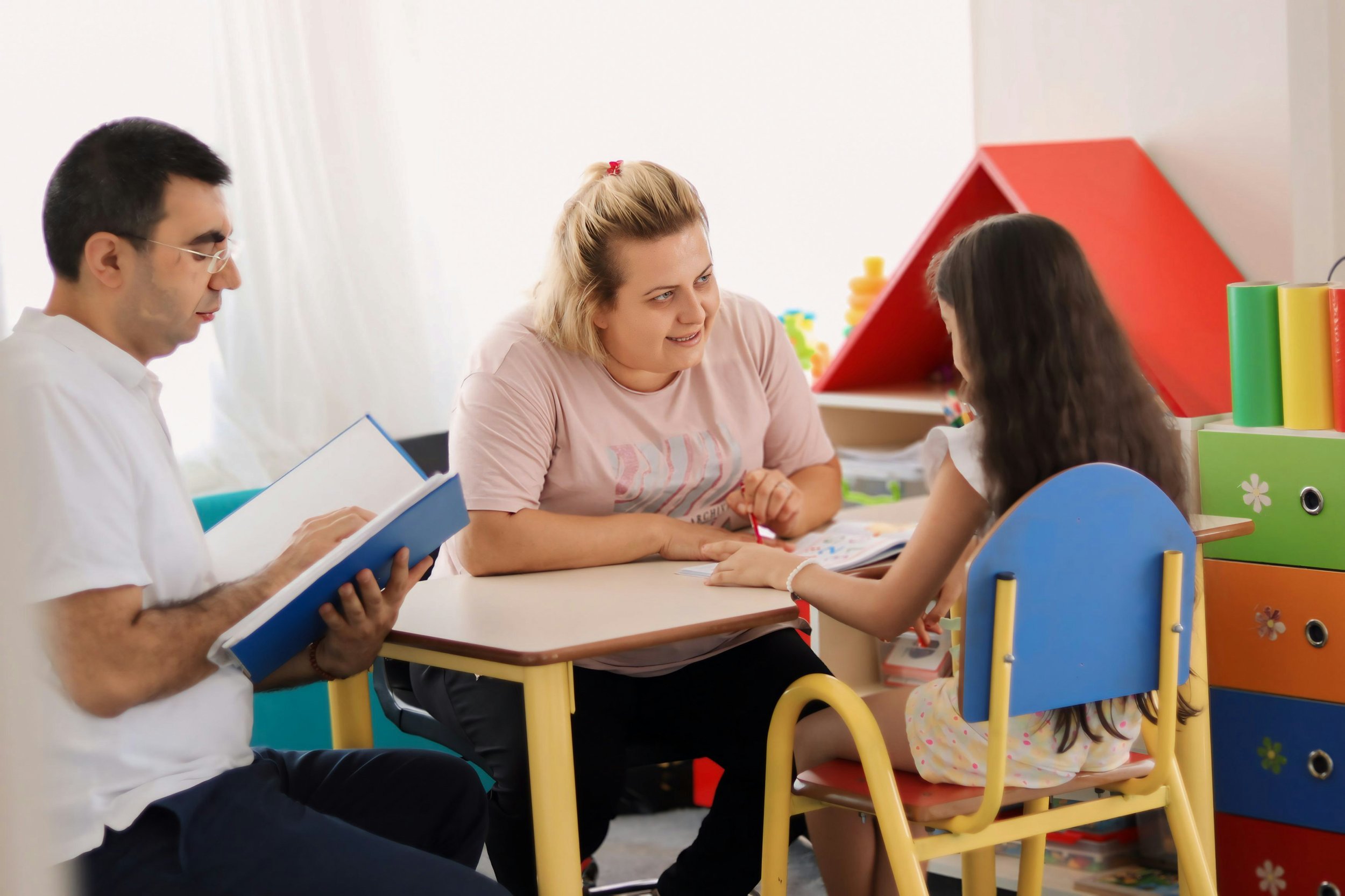
For younger children, play is one of the most effective ways to encourage speech practice. Games, toys, books, visuals, activities, and role-play can all be incorporated into therapy sessions.
A child may practice their target sounds while feeding toy animals, searching for hidden treasures, playing matching games, racing cars, or completing a fun challenge. While it may look like play, every activity is carefully chosen to provide meaningful opportunities for speech practice.
Supporting Parents
Parents play an important role in a child's progress. At the end of a session, the SLP will often explain what was worked on, discuss progress, and suggest simple activities to practice at home. Home practice does not need to be lengthy or complicated. Even a few minutes of focused practice each day can make a significant difference when combined with regular therapy sessions. Practice also does not have to be limited to sitting at a table. It can easily be incorporated into everyday routines, such as during story time, while driving between errands, waiting at traffic lights (where safe to do so), or while getting ready for bed. These small, consistent opportunities help children practice their skills in meaningful, real-life situations.
Celebrating Success
Speech therapy is about much more than correcting sounds. It is about helping children communicate with confidence, participate fully in everyday activities, and feel proud of their achievements. Every correctly produced sound, every new word, and every moment of increased confidence is a step forward. Through expert guidance, engaging activities, and teamwork between the child, family, and therapist, speech therapy helps children develop the skills they need to become successful and confident communicators.
Progress may not always happen overnight, but every small achievement builds towards lasting change. By celebrating these milestones and supporting communication both in and outside of therapy, we can help children reach their full potential and give them the confidence to make their voices heard.