Aphasia Uncovered: Breaking Down Common Myths
June is Aphasia Awareness Month – But What Is Aphasia?
Aphasia is a communication disorder commonly caused by a stroke, brain injury, tumors, or a rare type of dementia known as Primary Progressive Aphasia (PPA). An individual with aphasia may have difficulty talking, understanding language, reading, writing, and using numbers. Aphasia can range from mild to severe, with aspects of communication and quality of life being impacted (National Aphasia Association, 2025).
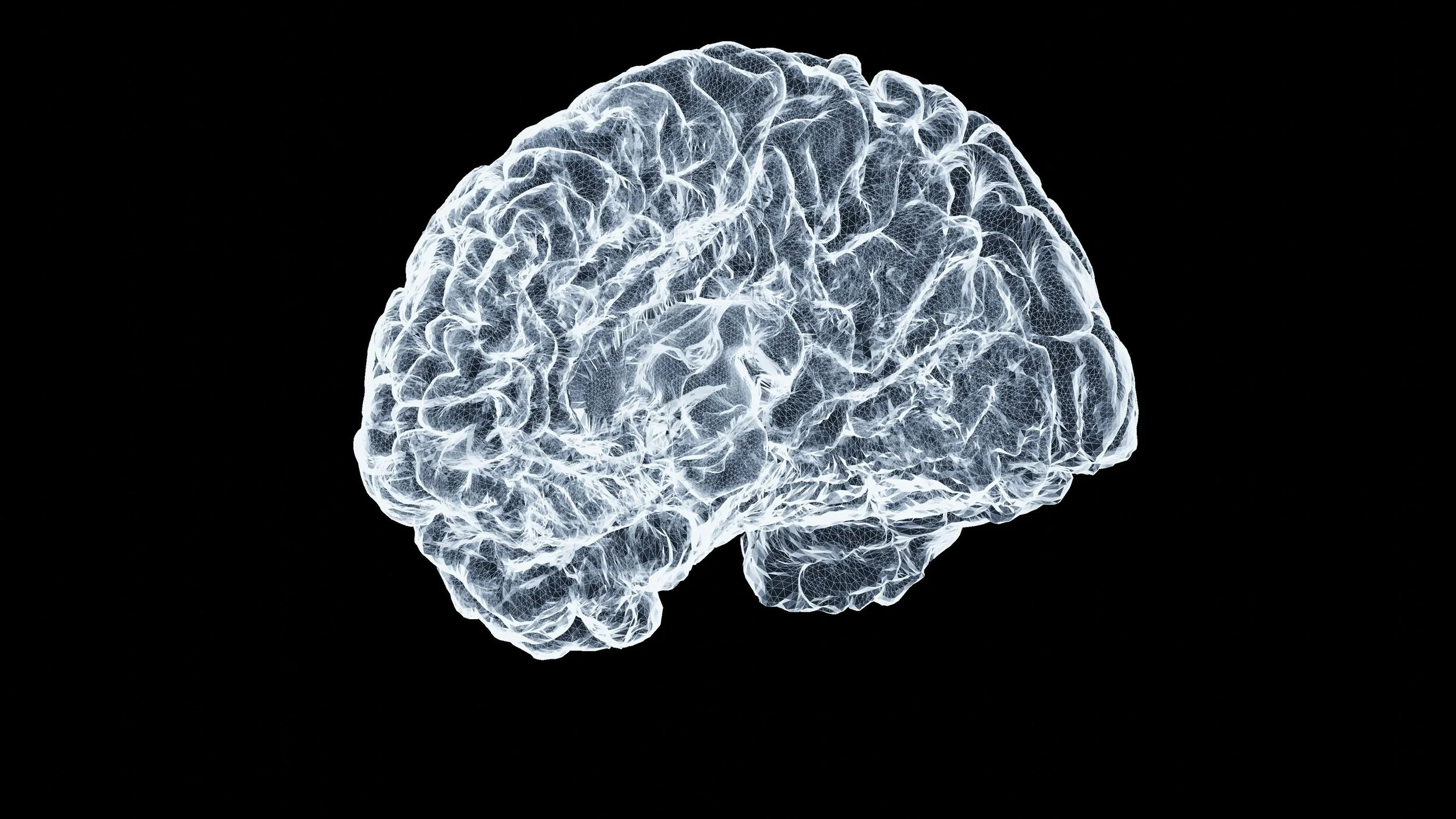
Myth 1: People with Aphasia Have Low Intelligence
People with aphasia are not less intelligent. Aphasia is a language disorder, not a thinking disorder. Most people with aphasia retain their intelligence, knowledge, and personality, but they may struggle to understand and express language (ASHA, n.d.). People with aphasia often know what they want to say and they have ideas, emotions, and thoughts like anyone else. The difference is that these messages are difficult to express in words. Sometimes only keywords come out, sentences may be incomplete, the timing may be off, or the wrong words may be spoken. This can be highly frustrating and may lead to a fear of being misunderstood or judged. When communicating with a person with aphasia, competence should always be presumed (Tactus Therapy, n.d.).
Myth 2: People with Aphasia Cannot Recover
A common misconception is that aphasia is a permanent condition with no chance of improvement. In reality, many individuals with aphasia make significant gains in communication through rehabilitation. The brain has the ability to reorganise and form new neural connections. This process is known as neuroplasticity and it can support language recovery. Through speech and language therapy, communication skills can be rebuilt, and alternative communication methods may also be developed when needed. Progress is possible at any stage of recovery. Family involvement, social interaction, and ongoing practice all contribute to positive rehabilitation outcomes (Lingraphica, 2021).

Myth 3: Individuals with Aphasia Do Not Know What They Need to Say
Most people with aphasia know exactly what they want to communicate. The challenge lies in finding, understanding, and expressing the right words. The difficulty is not in forming thoughts or ideas. Aphasia affects language processing, not intelligence, knowledge, personality, or the ability to think (National Aphasia Association, n.d.).
Myth 4: Only Older Adults Develop Aphasia
Aphasia can affect people of all ages. Although it is more common in older adults because stroke risk increases with age, aphasia can also occur in younger adults, teenagers, and even children. It may result from stroke, traumatic brain injury, brain tumours, infections, or other neurological conditions. Aphasia is caused by brain injury, not aging itself. Younger individuals with aphasia may face additional challenges related to education, employment, and social participation (Cleveland Clinic, 2026).
New Resources OUT NOW!
click here
New Resources OUT NOW! click here
Conclusion
Raising awareness about aphasia is essential to ensure that individuals living with the condition receive adequate support while reducing stigma and misconceptions. By understanding the facts about aphasia, we can foster greater empathy, patience, and inclusion. Simple actions such as listening actively, allowing extra time for communication, and adapting our communication style can make a meaningful difference in daily interactions.
References:
American Speech-Language-Hearing Association. (n.d.). Aphasia. https://www.asha.org/practice-portal/clinical-topics/aphasia/
Cleveland Clinic. (2024). Aphasia: Causes, symptoms & treatment. https://my.clevelandclinic.org/health/diseases/5502-aphasia/
Lingraphica. (n.d.). 4 aphasia myths we hear too often.https://lingraphica.com/resources/aphasia-myths-we-hear-too-often/
National Aphasia Association. (n.d.). What is aphasia?https://aphasia.org/what-is-aphasia/
Tactus Therapy Solutions. (n.d.). 10 aphasia myths busted: Learn the truth to build aphasia awareness.https://tactustherapy.com/10-aphasia-myths-busted/