Using AAC in Everyday Classroom Routines with a Free AAC Circle Time Board
Augmentative and Alternative Communication (AAC) is often associated with requesting wants and needs. However, AAC is much more than that. It supports children in expressing feelings, participating in classroom activities, building relationships, and developing language skills. When incorporated into everyday routines, AAC becomes a natural part of communication for all learners.
Why everyday routines matter
Classroom routines such as circle time provide predictable and meaningful opportunities for communication. Rather than being used only during therapy sessions, AAC can be integrated into daily activities to encourage participation and interaction. Research by Light and McNaughton (2012) highlights the importance of providing individuals who use AAC with opportunities to develop communication, language, literacy, and social connections through meaningful experiences. These routines also help children anticipate what will happen next, making communication opportunities more predictable and less overwhelming. Embedding AAC into familiar activities allows children to repeatedly encounter and practice language in meaningful contexts.

The importance of modelling
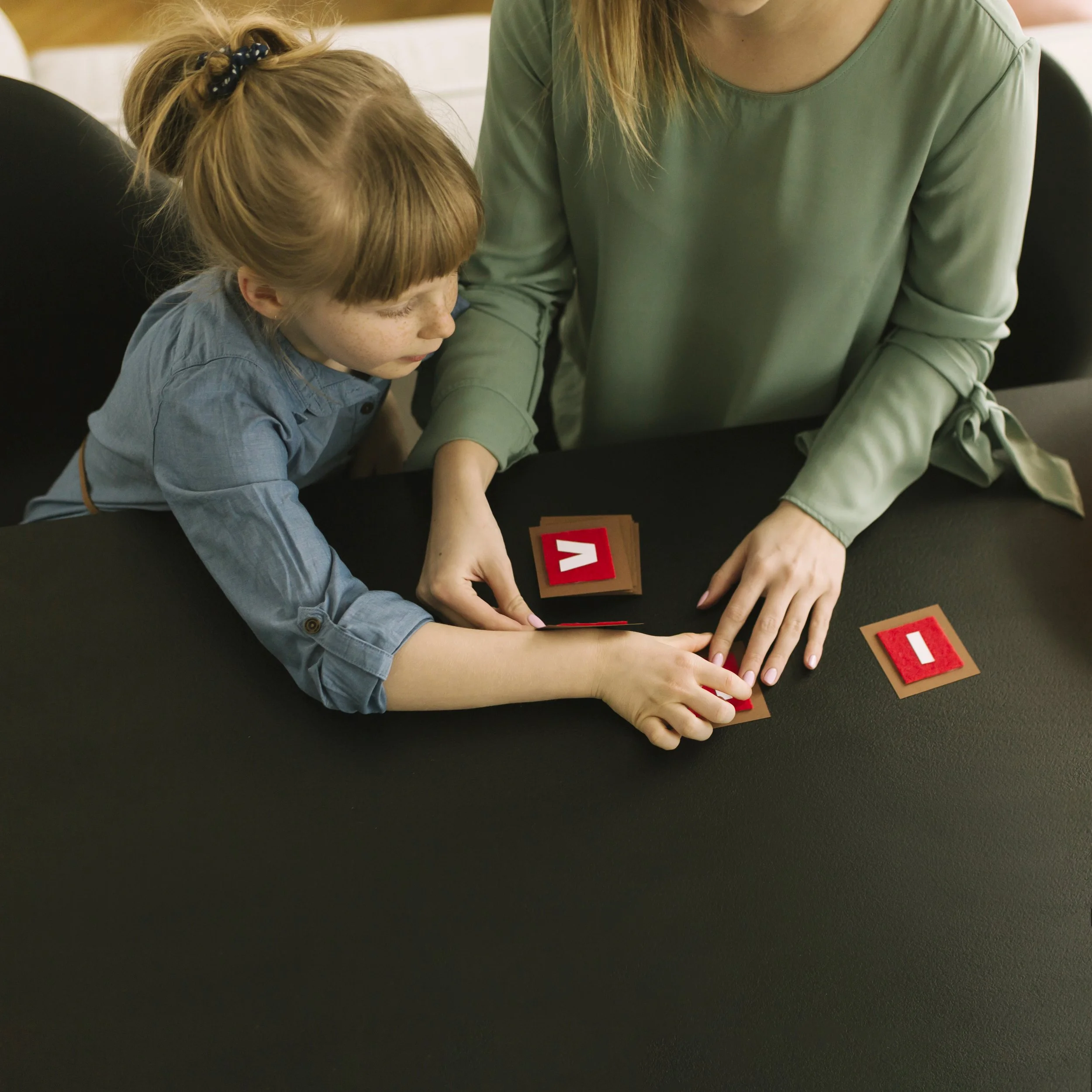
One of the most effective ways to support AAC users is through aided language stimulation, also known as modelling. Adults point to symbols on the communication board or device while speaking, demonstrating how language can be used in real-life situations. Studies have shown that consistent modelling helps improve communication outcomes and language development (Drager et al., 2010). Modelling places no pressure on the child to respond immediately and instead provides a rich language example. Over time, repeated exposure to symbols and words can help increase confidence and support spontaneous communication. Most importantly, it is vital to model without expectation. Modelling doesn’t always equate to immediate verbal or gestural responses from the child, and that’s totally okay! Children need time, attention, and involvement.
Encouraging participation
AAC should not be limited to requesting. Children benefit from having access to vocabulary that allows them to participate, comment, ask questions, and express emotions. O'Neill, Light, and Pope (2018) emphasised the importance of providing a rich range of vocabulary to support meaningful communication and social participation. Having access to a wide range of vocabulary allows children to take an active role rather than simply responding to questions or requests. This promotes a sense of belonging and helps create a more inclusive classroom environment for all learners.
Our free AAC Circle Time Board
To support communication during group activities, we have developed a free AAC Circle Time Board. The board has been designed to be simple, practical, and easy to incorporate into daily routines. It can also serve as an introduction to AAC for educators and caregivers who may be unfamiliar with using visual communication supports. The resource focuses on three key areas:
Core Words – frequently used words that can be combined in many different ways, such as ‘want’, ‘more’ and ‘see’.
Participation Words – vocabulary that supports engagement during activities, such as listen, clap, sing, and share.
Feelings and Emotions – words that help children express how they are feeling and support emotional development.
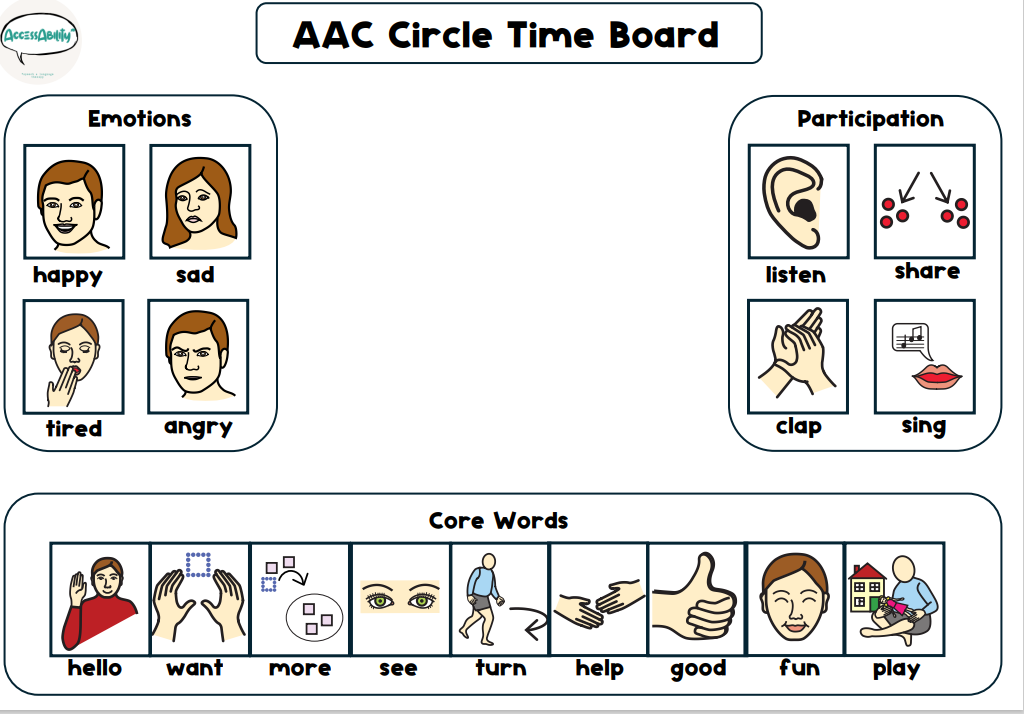
Get your FREE AAC Board HERE (available in two languages - Maltese or English) →FREE AAC Circle Time Board | Core Words, Emotions & Participation (teacherspayteachers.com). The board can be printed, laminated, and used in classrooms, therapy sessions, or at home to encourage communication and active participation.
Conclusion
AAC is not simply a tool for requesting. It is a means of giving individuals a voice, supporting relationships, and fostering inclusion. By embedding AAC into everyday classroom routines, we create more opportunities for communication and ensure that every child has the chance to participate and be heard. Small changes within everyday routines can have a significant impact on communication and participation. By creating communication-rich environments, we help ensure that every individual has the opportunity to express themselves and connect with others.
References
Drager, K. D. R., Light, J. C., & McNaughton, D. (2010). Effects of AAC interventions on communication and language for young children with complex communication needs.
Light, J., & McNaughton, D. (2012). The changing face of augmentative and alternative communication: Past, present, and future challenges.
O'Neill, T., Light, J., & Pope, L. (2018). Effects of interventions that include aided AAC modelling on the communication of individuals with complex communication needs.
Real life images used in this article are all attributed to magnific.com
