Founded by parents of children with disabilities, Embrace Diversity was born from lived experience and a genuine understanding of the challenges families face. This perspective has enabled us to combine professional expertise with practical, person-centred support that responds to real needs.
For over eight years, we have been supporting children and young people with disabilities in Malta through holistic educational and therapeutic programmes tailored to their individual strengths, abilities, and aspirations. We recognise that development does not happen in isolation; communication, movement, emotional regulation, cognition, sensory processing, and social participation are all interconnected. By bringing these elements together, we go beyond traditional educational and therapeutic approaches, creating meaningful opportunities for growth, independence, and inclusion at home, at school, and within their communities.
The strength of a Multidisciplinary Approach
Children with complex needs often present with challenges that span multiple areas of development. A child receiving speech and language therapy may also require support with sensory processing, emotional regulation, motor planning, social interaction, or daily living skills. When these needs are addressed in isolation, opportunities for meaningful progress can be missed.
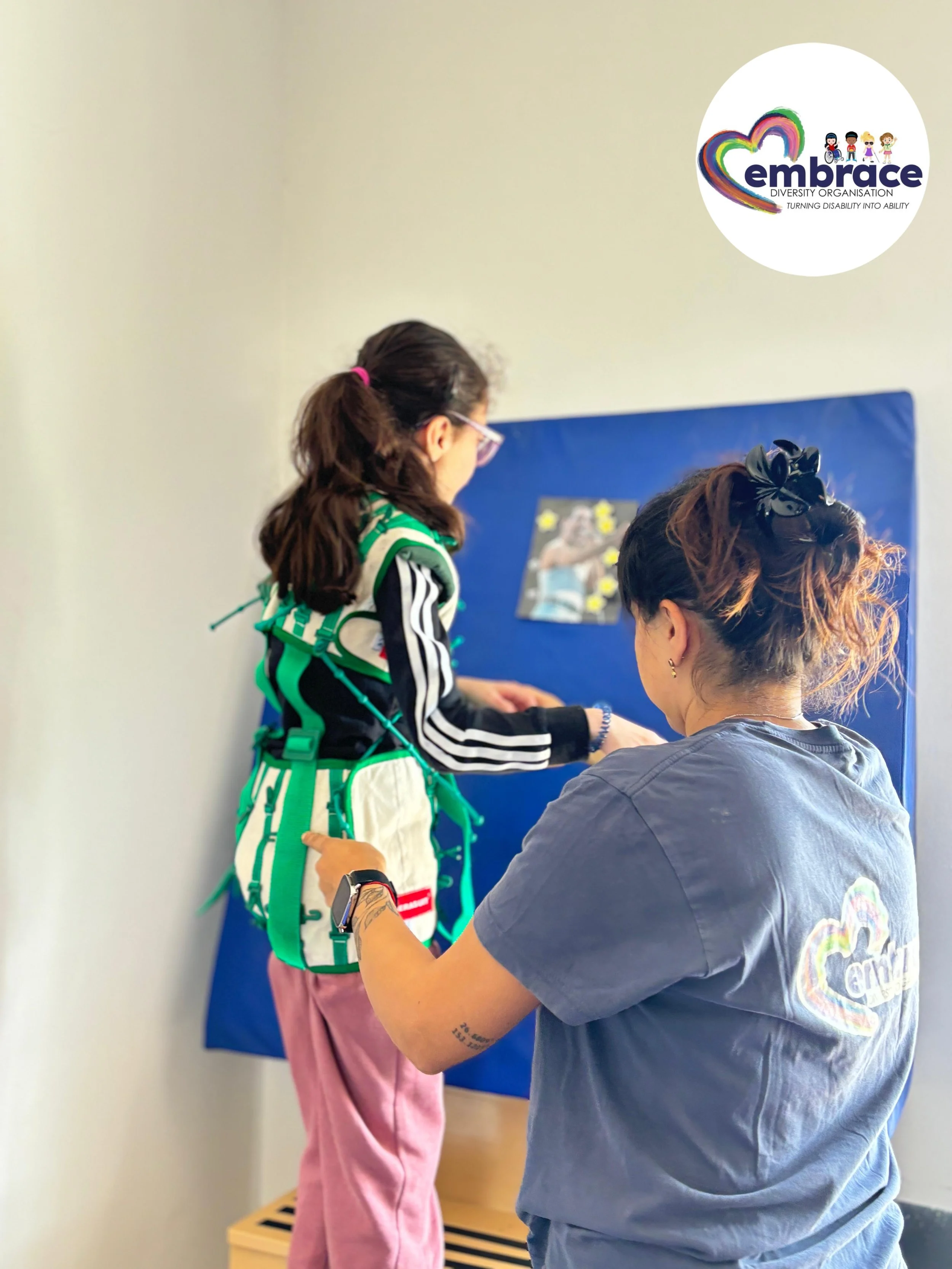
At Embrace Diversity, collaboration is at the heart of everything we do. Our multidisciplinary team brings together Speech and Language Therapists, Occupational Therapists, Physiotherapists, Special Educators, Psychologists, Physical Educators, and caregivers who work towards shared, person-centred goals. Rather than delivering isolated interventions, professionals regularly collaborate, exchange strategies, and ensure consistency across sessions and settings.
AUTUMN RESOURCES CLICK HERE
AUTUMN RESOURCES CLICK HERE
This integrated approach reflects current best practice in paediatric disability services. The American Academy of Pediatrics (2020) highlights coordinated multidisciplinary care as a cornerstone of effective intervention for children with developmental conditions, while King et al. (2002) emphasise that collaborative services are most successful when they focus not only on reducing impairments, but on improving participation, independence, and quality of life.
For families, this means having a team that looks beyond disabilities, recognises individual potential, and works together to turn everyday challenges into opportunities for growth.
Learning together: Why group-based intervention matters
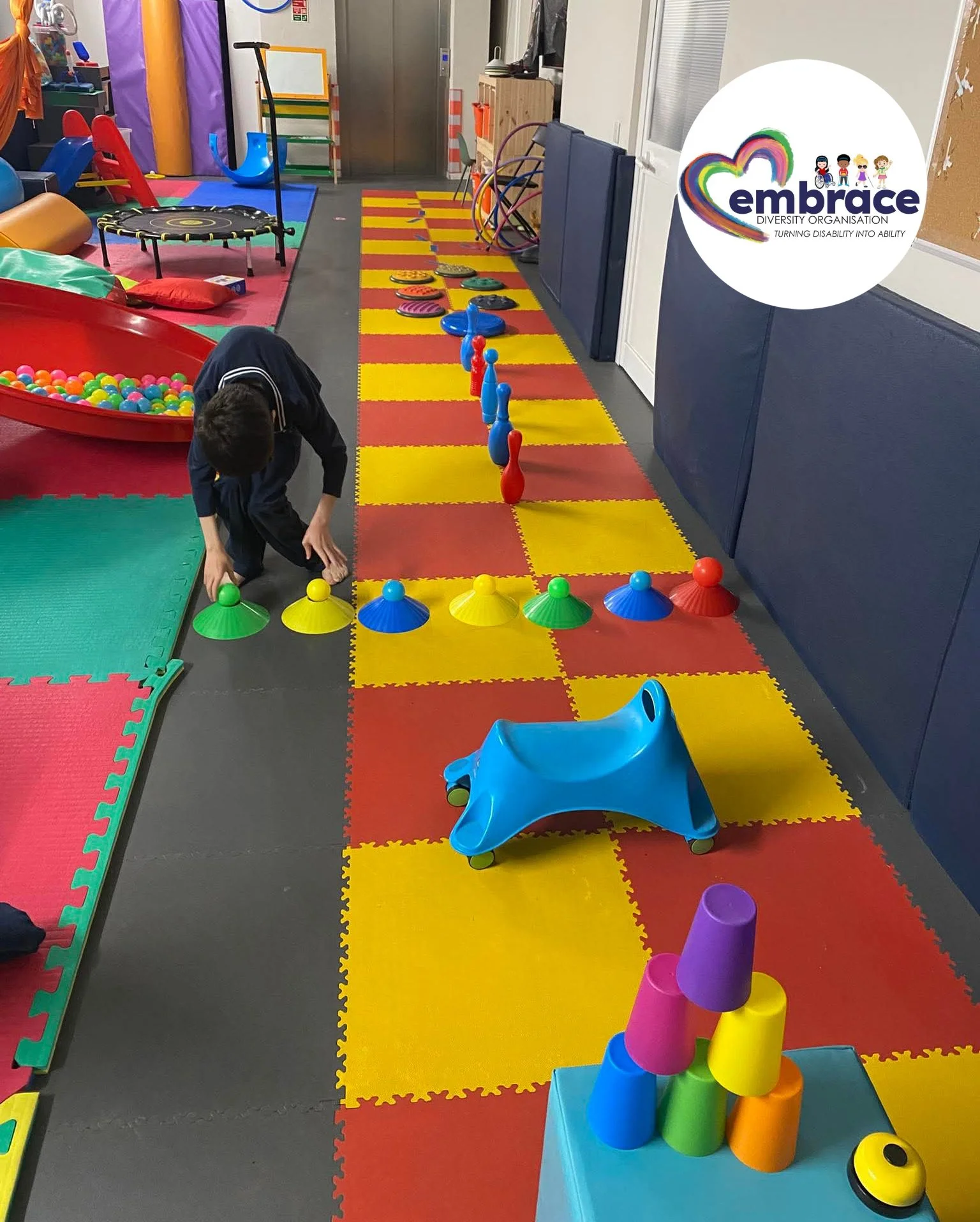
While individual intervention plays a very important role, essential life skills are developed through meaningful interactions with others. At Embrace Diversity, group-based learning is central to our approach, creating opportunities for children to communicate, build relationships, solve problems, and develop independence.
Our small, structured groups are tailored to participants’ ages, developmental levels, and abilities, ensuring meaningful participation for everyone, whether through verbal communication, Augmentative and Alternative Communication (AAC), visual supports, or other personalised methods.
Within these natural social environments, children have opportunities to develop:
Functional communication.
Social interaction and friendship-building.
Turn-taking and cooperative play.
Emotional regulation.
Problem-solving.
Self-confidence and self-advocacy.
Independence in everyday situations.
Importantly, these skills are aimed to be practiced in real interactions rather than artificial scenarios, making it more likely that they will transfer into daily life.
Research highlights the value of peer interaction and group-based learning in fostering social participation, and the application of acquired skills in everyday situations (Odom et al., 2010; NICE, 2013). Beyond skill development, learning alongside peers creates meaningful opportunities to build confidence, encourage mutual learning, strengthen social connections, and promote a genuine sense of belonging and inclusion.
Building skills for everyday life
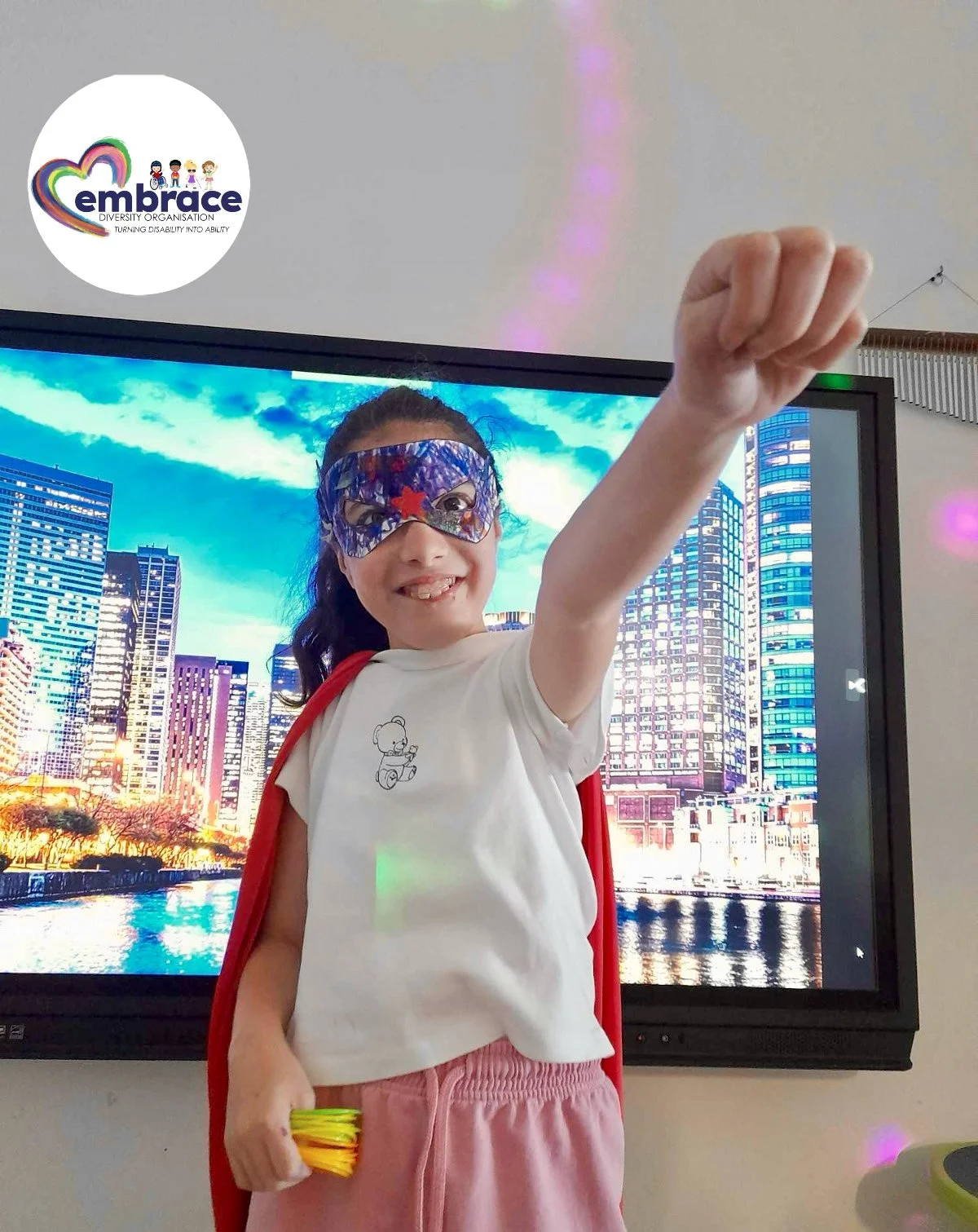
At Embrace Diversity, we believe progress goes beyond clinical outcomes. What truly matters is enabling children and young people to participate meaningfully in everyday life.
Our programmes emphasise practical life skills tailored to individual abilities, including personal care, cooking, functional communication, social interaction, decision-making, community participation, and vocational preparation. Through these experiences, we aim to foster confidence, independence, and essential skills that support a smoother transition into adolescence and adulthood.
Like this, participation has become one of the most important outcomes in modern disability services. Rather than asking, "What skills can this child perform in therapy?", we aim to turn it into, "How can this child participate successfully in everyday life?" Research by Law et al. (2013) highlights participation as a key determinant of wellbeing, while the World Health Organization and UNICEF (2022) identify inclusion, independence, and active community engagement as fundamental goals of disability services worldwide.
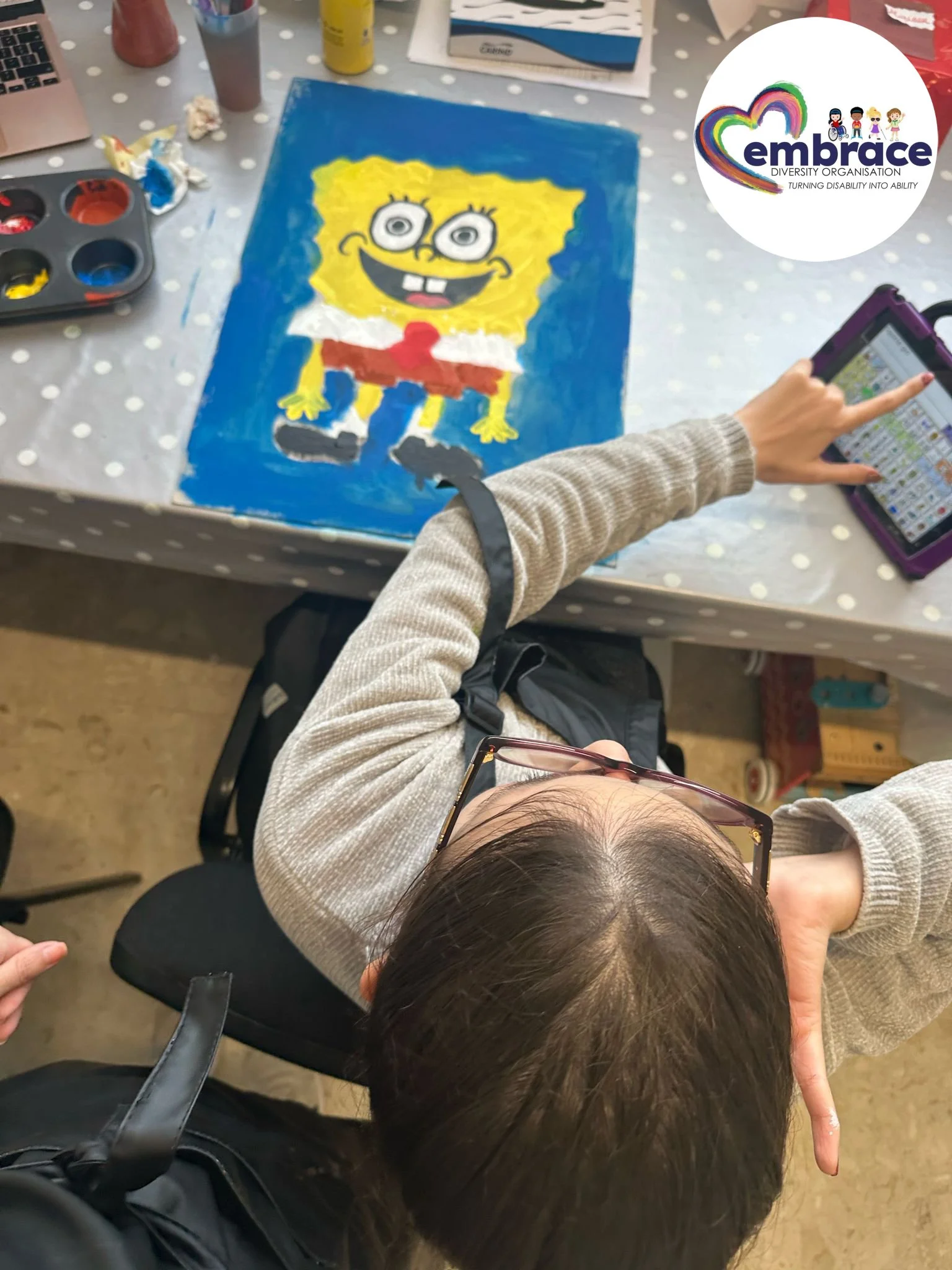
This approach allows us to address multiple developmental goals simultaneously through meaningful, everyday activities. For example, a cooking session goes far beyond following a recipe or developing fine motor skills. It creates opportunities to practise communication, sequencing, sensory exploration, decision-making, social interaction, and independence, all within one activity. Rather than working on skills in isolation, we aim to integrate different therapeutic and educational goals into shared experiences, making learning more natural, functional, and relevant to everyday life.
Working in partnership with families
Our commitment to person-centred practice is deeply rooted in our beginnings. Having been founded by parents of children with disabilities, Embrace Diversity understands firsthand that families are not simply recipients of services, but essential partners in every child's development.
This perspective influences how we design our programmes, communicate with parents, and establish individualised goals. We recognise that progress is not always measured by major developmental milestones. Sometimes, it is being able to communicate a preference, participate in a family meal, engage with peers, or become more independent in a familiar routine.
By combining professional expertise with families' lived experiences, we aim to develop practical, realistic strategies that make a meaningful difference beyond the classroom or therapy room. Ultimately, our approach is shaped not only by what research tells us children need, but also by what families experience every day.
Every child deserves opportunities to communicate, build relationships, develop independence, and actively participate in their community. Through evidence-based practice, multidisciplinary collaboration, and meaningful group experiences, we strive to create environments where children and young people are supported not only to achieve developmental goals, but to build fulfilling and connected lives.
Ultimately, our mission is simple: to equip children and young people with the skills, confidence, and opportunities they need to reach their fullest potential—because inclusion is not just about being present, but about belonging, participating, thriving and looking ahead to a future with dignity.
References
American Academy of Pediatrics. (2020). Identification, Evaluation, and Management of Children With Autism Spectrum Disorder. Pediatrics, 145(1), e20193447. https://doi.org/10.1542/peds.2019-3447
King, G., Tucker, M. A., Baldwin, P., Lowry, K., LaPorta, J., & Martens, L. (2002). A life needs model of pediatric service delivery: Services to support community participation and quality of life for children and youth with disabilities. Physical & Occupational Therapy in Pediatrics, 22(2), 53–77.
Law, M., Anaby, D., Teplicky, R., Khetani, M. A., Coster, W., & Bedell, G. (2013). Participation in the home environment among children and youth with and without disabilities. British Journal of Occupational Therapy, 76(2), 58–66.
National Institute for Health and Care Excellence (NICE). (2013). Autism spectrum disorder in under 19s: Support and management (CG170).
Odom, S. L., Collet-Klingenberg, L., Rogers, S. J., & Hatton, D. D. (2010). Evidence-based practices in interventions for children and youth with autism spectrum disorders. Preventing School Failure, 54(4), 275–282.
World Health Organization & UNICEF. (2022). Global Report on Health Equity for Persons with Disabilities.