Helping Your Child Communicate Beyond Words
When a child is not yet talking, it can sometimes feel as though communication has not started. Many parents find themselves waiting for first words, encouraging speech, and hoping language will develop with time. However, communication begins long before spoken words appear.
Communication Modes
Many children communicate in ways that are easy to miss if we are only looking for verbal communication. A look towards you, a reach for something they want, moving closer to an object, making sounds, or even using pictures or a device are all meaningful forms of communication. They may not involve words, but they are still powerful. When these attempts are noticed and responded to, children begin to learn that their communication has an effect. They feel understood, and this is what encourages communication to grow.

Some children, including children on the autism spectrum, may need extra support to communicate effectively. Spoken language can be more difficult to process, and social communication skills do not always develop naturally. For many children, visual information is easier to understand than spoken words. This means that instead of waiting for communication to develop, we can begin supporting it from the very start.
Early Literacy Resources Out Now
Early Literacy Resources Out Now
Use your hands and not just words!
One of the simplest ways to support communication is through gestures. Pointing as you talk, showing objects, or using simple signs like “more”, “eat”, or “drink” can help make your message clearer and reduce the pressure on your child to speak. Over time, children often begin to use these gestures themselves. Just as important is how we respond: every attempt to communicate, no matter how small, deserves a response.
2. Make Use of Visual Supports
Visual supports can also make a big difference. Unlike spoken words, which disappear quickly, visuals remain in place and give children more time to process information. Simple tools like picture routines, choice boards, or “first–then” boards can help children understand what is happening and what is expected. This can reduce frustration and support both communication and behaviour.
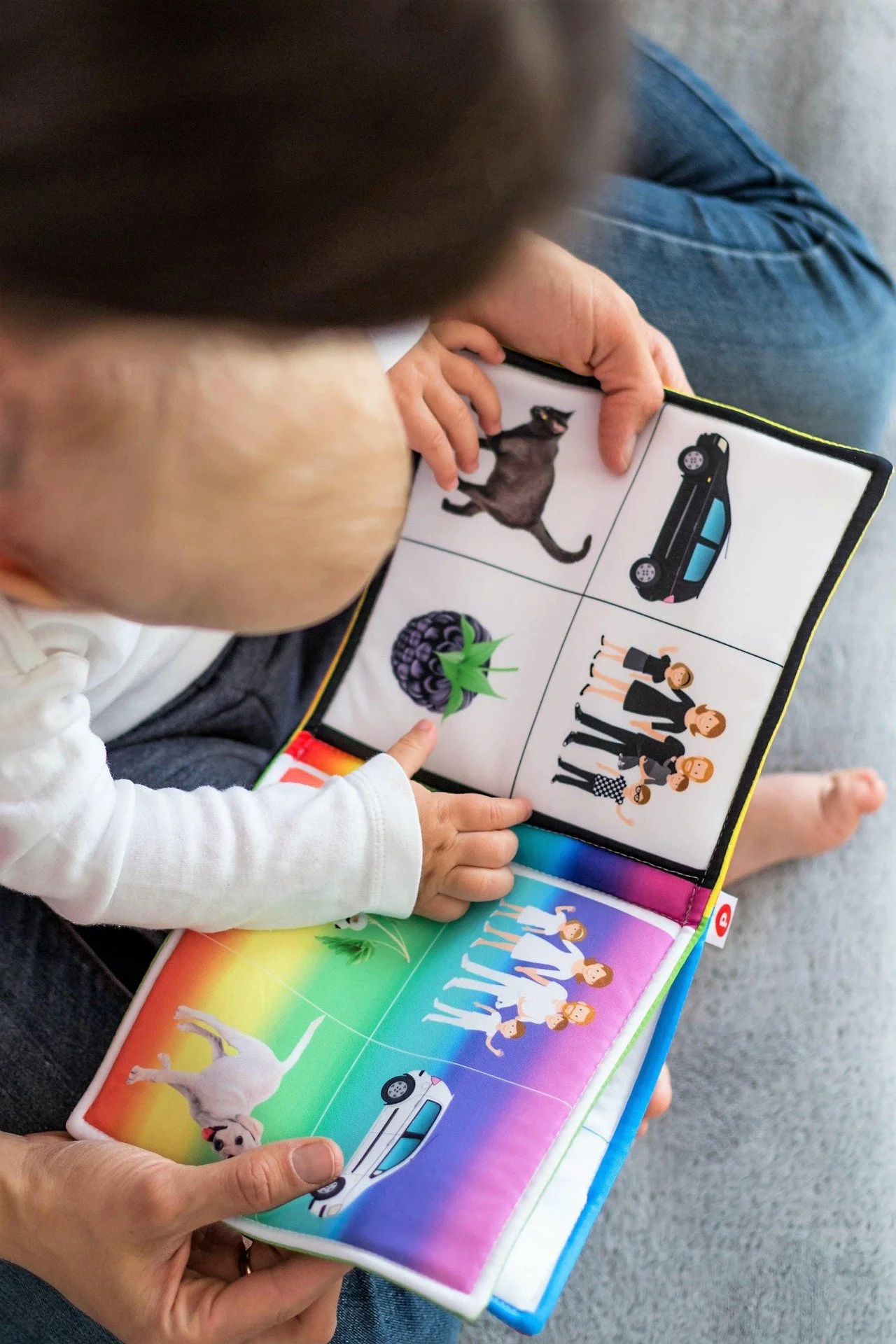
3. Small Changes in Interaction Can Help
Another powerful support is something parents are already using every day: their interaction style. Small changes can have a big impact. Getting face-to-face, using fewer words, and giving your child time to respond can make communication easier. Shifting from asking lots of questions to making simple comments can also reduce pressure and create more natural opportunities for interaction.
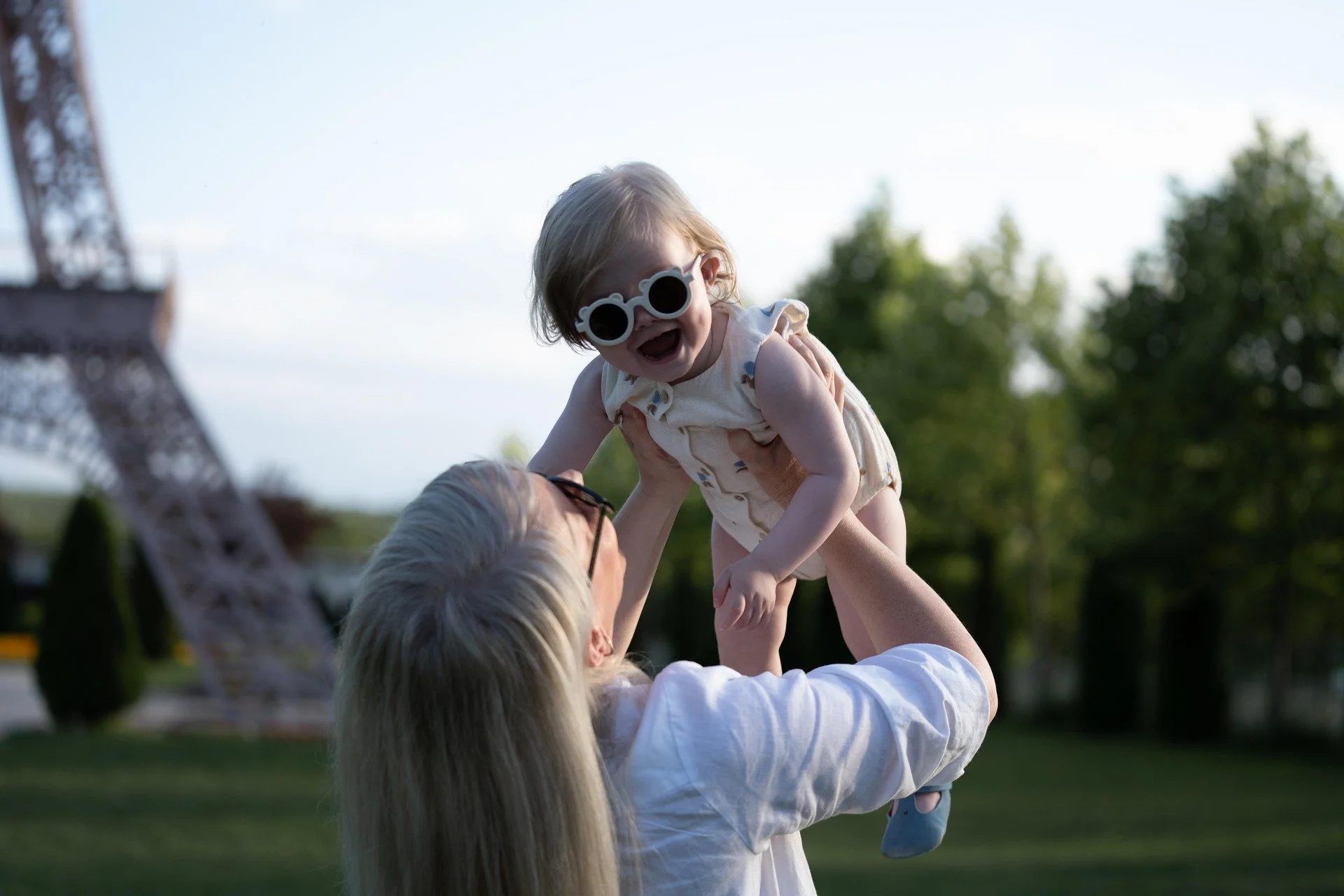
The first time your child looks at you, reaches, or uses a picture to tell you what they want: that’s communication! And that’s where language begins to grow.
Every child communicates differently, and some children may benefit from additional support to help communication develop. If you have concerns about your child’s speech, language, or communication skills, it is always okay to seek guidance. Speech-Language Pathologists can help identify your child’s strengths and needs, while providing practical support and strategies for everyday life.
In Malta, referrals can also be made through an open referral system, meaning that a concerned parent can immediately seek advice from a licensed SLP without needing a referral from a GP. Early support can make a meaningful difference, and professionals are there to support both children and their families throughout the journey.
